A Natural Pause

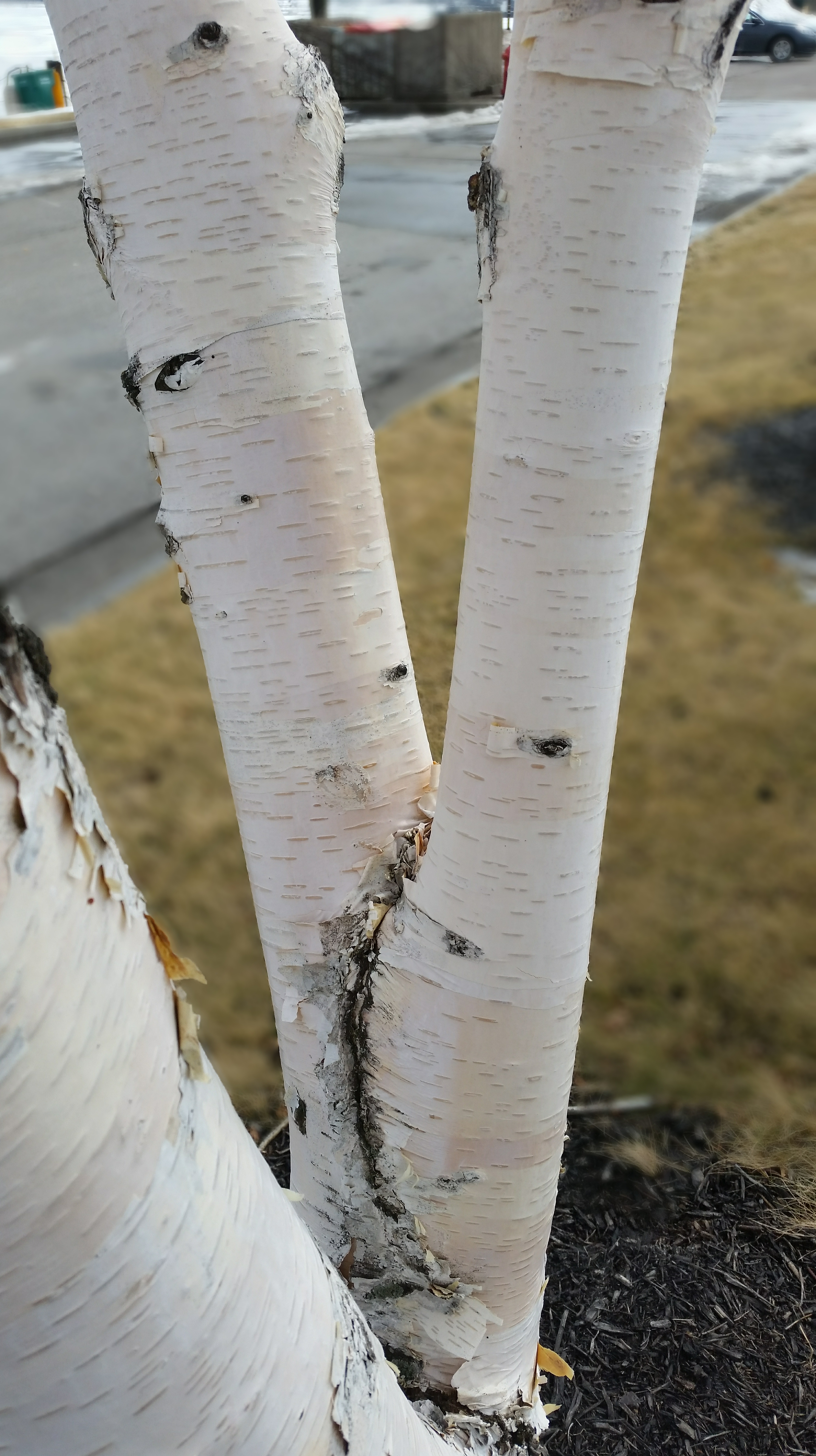
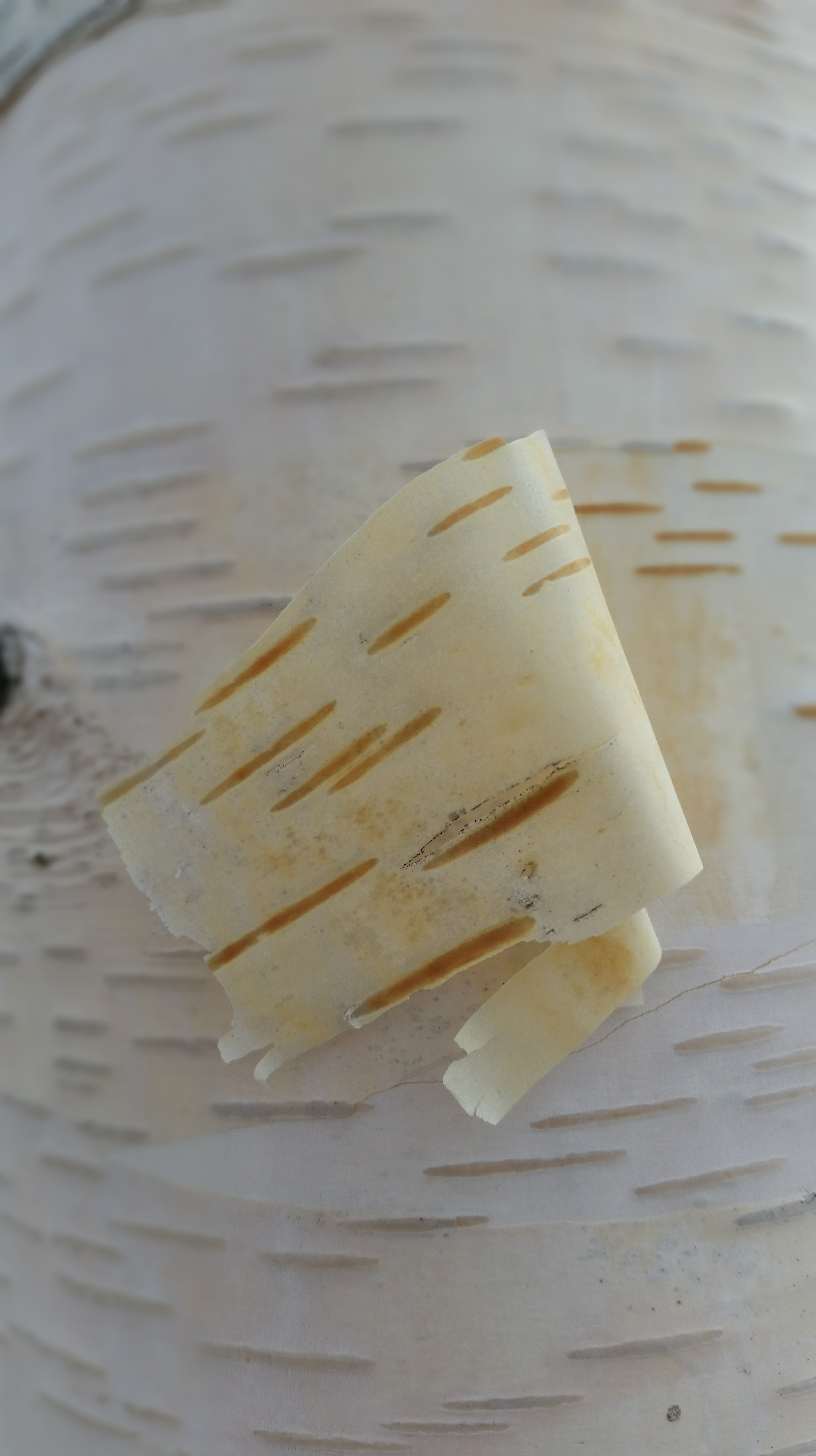
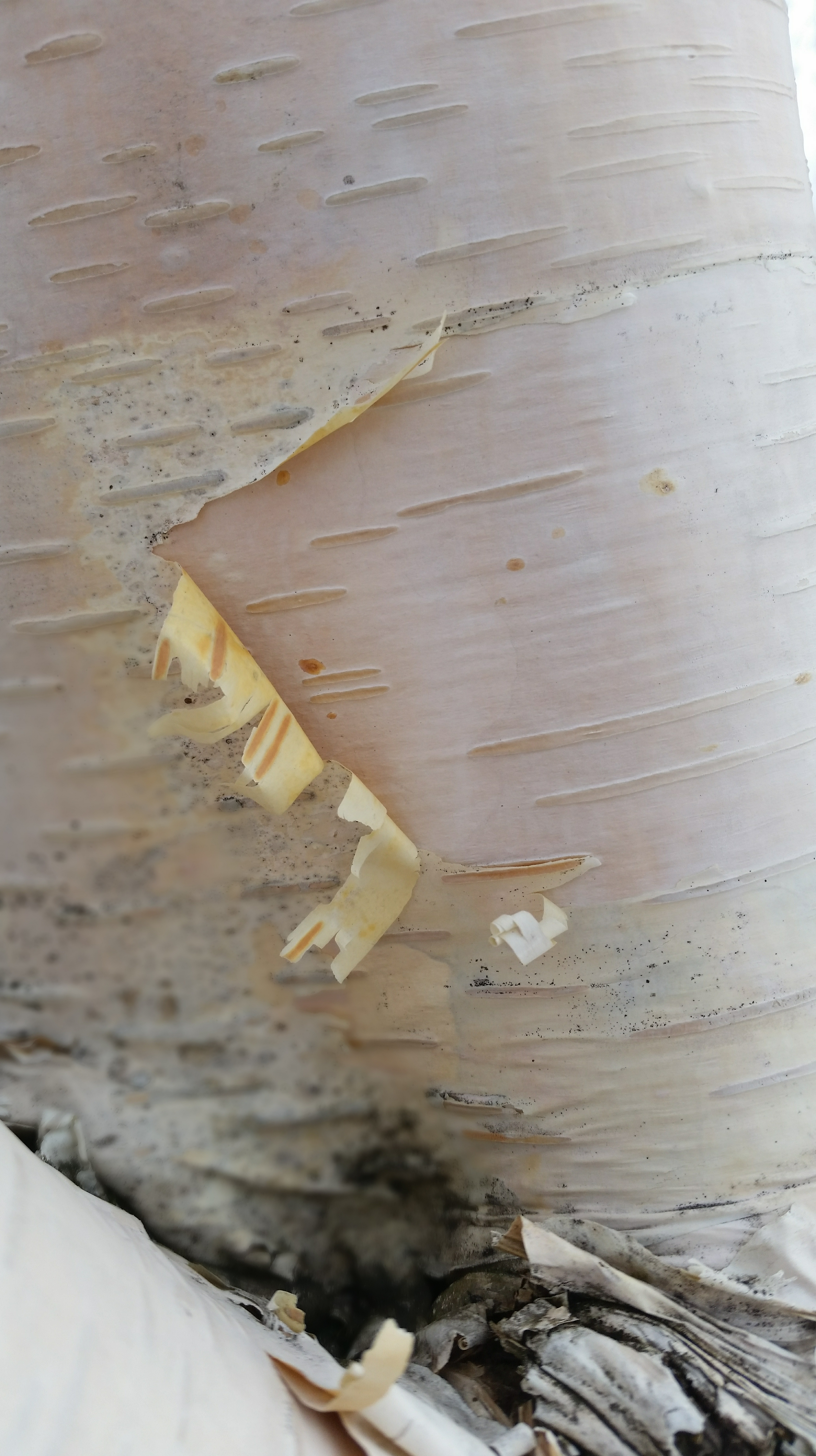
Yesterday, I took my first walk down by the water through Erie Basin Marina in the Buffalo Harbor. It was so nice to get out on my 2.25 mile walk again! I love these paper birch trees that line the marina. I wish my yard was big enough to plant one! If you have room, consider including one of these excellent specimens to your landscape. Enjoy.

Birch Trees by the Coast Guard Lighthouse in Erie Basin Marina.

Birch Trees by the Coast Guard Lighthouse at Erie Basin Marina.

20150316_132449                                                                     20150316_132433

20150316_132414

Garden Planning 101

Wow! Time flies when you are having fun, right? My family has some excited things planned in the next few months– all home and garden oriented! It’s officially Spring on March 20– what do you have planned for your garden?

The daffodils at my neighbor's house are coming up-- a great sign!

The daffodils at my neighbor’s house are coming up– a great sign!

The more important question is– do you know how to plan? Here are a few quick and simple tips on optimizing your garden this growing season!

Size does matter.

Plan on getting plants, shrubs, trees that will accommodate the size of your yard. If you have a very tiny yard, you wouldn’t want to plant a tree that at maturity could be over 80 feet tall. Go to your local nursery or greenhouse and talk to an expert there that could help you with choosing plants, trees, shrubs that will fit your space. You want a happy balance with anything you plant!

Be dynamic in your garden.

When designing a layout for your garden, make sure you add taller and shorter plants, as well as some ground cover. You want your garden to have “layers”, to make your landscape look “interesting”, kind of like winter interest, but for the warm months. Aesthetics are just as important in the garden as they are anywhere else! For example, plant a dwarf plum tree with daffodils and sedum (I’m just thinking of the different layers, so these are just my examples off-hand. There are many choices). Be aware that you are planting shade plants and full sun plants in the appropriate places.

Think about dynamics in the seasonal sense– if you would like to plant-based on what blooms during the spring, summer, fall — so your beds are always blooming. I know I made this mistake a few years ago by planting a nice bed full of tulips– well, what happens after they are done blooming? Thinking about these things now makes it much easier later!

Sketch it out.

Start a garden journal and sketch out what you would like your landscape to look like, and what you would like to plant. The off-season is the time to research plants and find the right ones for your hardiness zone. Enjoy the research/design process, it’s a time of enlightenment and discovery! You will see so many beautiful plants and different ways to design your yard, you won’t know where to begin! Those, my friends, are GOOD problems.

A Natural Pause

My husband decided to upgrade our little 10 gallon fish tank to a 20 gallon fish tank this past weekend. We went from two little goldfish to adding six more! We now have eight fish and it is so calming to watch and hear the little fish tank hum with life! Enjoy.

20150310_214214

Quick and Easy Spring Gardening Preparation Tips

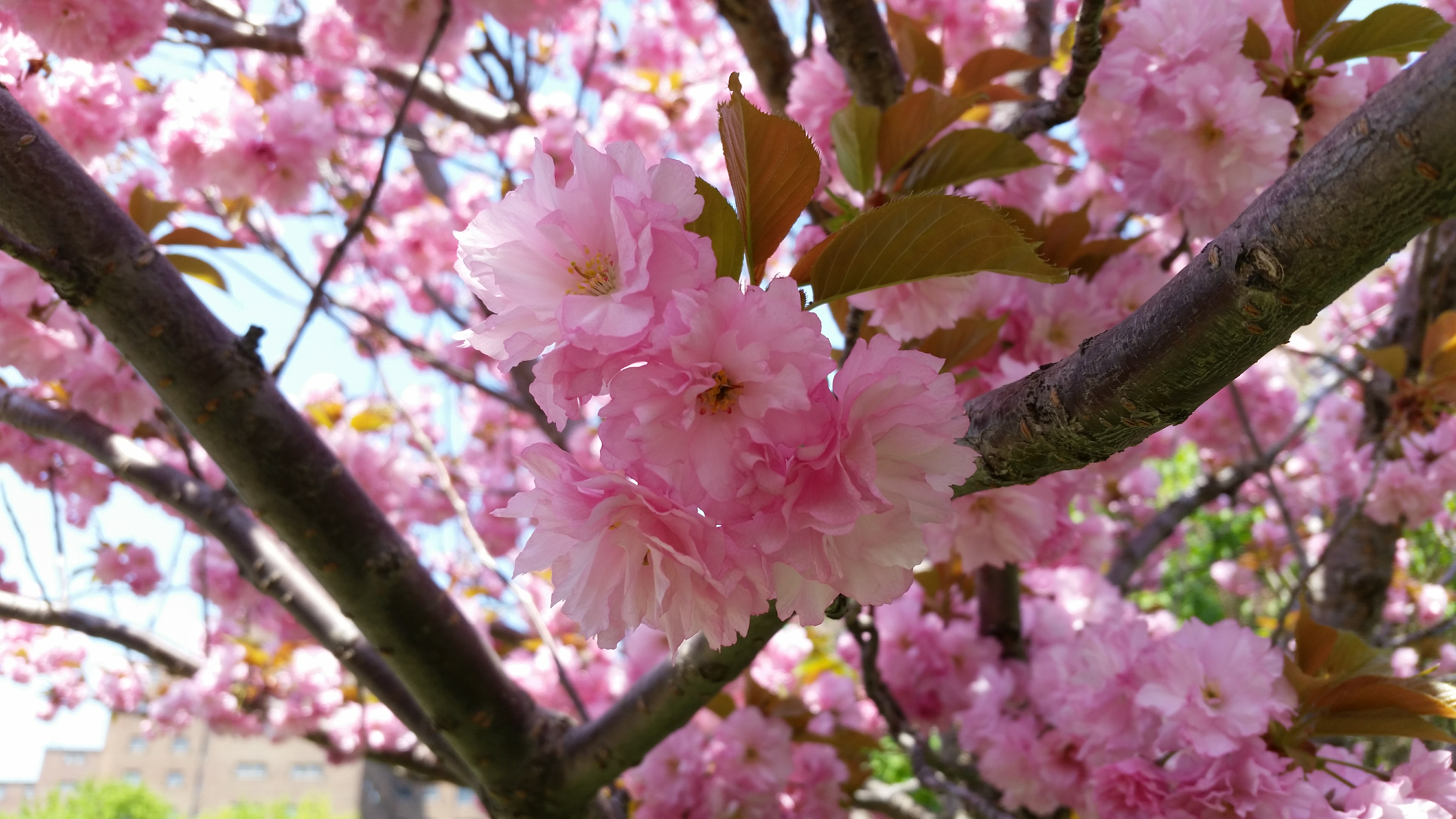
It was a beautiful sight today– the sidewalks are melting and turning into puddles! I managed to take a small walk on lunch today just to get outside for the first time in almost two months! Before we know it, the blossoms of spring will be in full bloom!

20140519_133843

With spring a little under two weeks away, the time is NOW to get ready for the new season!

Are you ready? Here are the things you need to do now to get ahead of the game:

  • Seeds are purchased or have been started. One of the cheapest ways to garden is buying seeds! Or, if you have collected seeds from last fall, you are ready to roll! If you purchased them last month to force growth, this is the time so they are ready to head outdoors.                                                                                                  20150125_155437
  • Get the tools you need. In one of my first posts, I outlined the basic tools you need to get growing. A trowel, spade, shovel, cultivator and rake are the most common and readily available for you. Simple and basic. And practical!

wendy gardengarden 320141004_103339

  • Get a wide-brimmed hat. Even the sun in spring can burn you just as bad as in the middle of summer! Protect yourself and get a good hat and some sunscreen.
  • Purchase a pair of garden gloves. As I have said in the past, when doing any garden work, I recommend purchasing a good pair of garden gloves. You can pull weeds MUCH easier than with your bare hands.
  • Knee pad, baby! Knee pads are a savior and rock my world! I even use them when I have to clean the cats’ litter box!
  • A good bucket. A good bucket is worth its weight in gold when it comes to carrying your tools and other yard rubbish around!

A bigger investment, but no less important — a wheelbarrow. This was the first thing my husband and I purchased after we got married! They are not too expensive–but again, worth its weight in gold if you want something a little bigger than a bucket.

If you follow these tips than you will be sure to kick off the coming growing season in the right direction.

Please feel free to share any other tips you have that will be handy this spring!

“Exercise” Your Green Thumb!

Disclaimer: This blog post is extremely general advice when it comes to exercising. I am not a doctor or fitness expert, but these are the exercises I have been advised to do over the years and think they are universal enough for everyone to try them. Please consult your doctor before starting any exercise program.

Warm weather is right around the corner!

Warm weather is right around the corner!

Yet another birthday has passed for me. I celebrated my 35th birthday yesterday. Unfortunately sinus problems have been plaguing me since Thursday, so unfortunately all of my plans were put on hold. Still not feeling so hot, I didn’t get much of a chance to finish up another post I wanted to do today, but that’s ok. I thought this topic was rather appropriate and relevant for the buildup to breaking ground that first day of the new growing season!

Yes, as I laid in bed most of the day, I could hear winter’s grip loosening all around me– icicles dripping, streets are clear/slushy, and it’s a balmy 28 degrees! One thing we don’t think about often enough when we are anxious to get our hands back into the dirt is getting ourselves in shape for all the digging, shoveling, pruning and hauling that we will be doing. And now could not be a more perfect time! Spring is just 18 days away, and even though its hard for most people, exercise is important for everyone to do in order to avoid serious injuries in the garden.Take it from me, I know first hand what its like to have a major injury take you down in just one unnatural bend of the back, and be down for a month, at least.

So, here are some exercises you can do now that will get you limber for the garden this year!

Stretching – I have been an exerciser for over 15 years. I have done everything from running to Tae Bo (remember that?). Now that I am, uh-hum, 35, I have had to change the way I exercise in order to compliment my aging body. And one of the ways I have changed is by taking stretching seriously.

The best stretches to avoid low back injuries include:

  • bird dog- get on all fours and stretch your left arm out and your right leg out. Bring them in close to your body and stretch again. For starters, do 5-8 on each side.
  • lay on your back and bring your left leg up to your body and “hug” it – hold these poses for 30 seconds and switch to the other side. Do 5 reps per side.
  • bicycle crunches – put your hands behind your head and bring your left elbow up to your right knee. Do 10 reps on each side, and work your way up to 20 reps per side.

Walking— is low impact and effective. If you are new to exercising, just walking around the block and gradually making your way up to a mile and more can give you significant health benefits. But make sure you are walking at an uncomfortable pace– a pace where it is hard to talk. You need to push yourself in order to get benefits from any exercise.

Strength Training — lifting light weights is so important to building and maintain strength when gardening. You can purchase a pair of 3-5 pound weights and it can do wonders for your health. The more you lift weights now, the easier it will be to carry bags of mulch later! You can find many weight training programs in health magazines, as well as online.

Core Training— they don’t call your core your “powerhouse” for nothing. My weak core is the reason for my lower back muscles getting pulled three times in a year. Core training is the most important exercising you can do for preparing for the gardening season. Ask your doctor for a few good ones, but the one I like the best is the plank.

A few extra tips:

  • Protect Your Knees — use a knee pad and practice safe lifting to avoid hurting your back and knees!
  • Never put more weight in your wheelbarrow than you can handle. Use your arms to push your wheel barrow instead of your just putting your back all into it!
  • Lift with your knees and your weight even distributed when lifting.

Doing these things now will help you get around your garden much easier later on!

A Natural Pause

Last Friday, I had a chance to go to Niagara Falls and see the magical, yet cold beauty winter is possessing on the falls. I am fortunate to live about 15 minutes away from this natural wonder of the world, so I couldn’t wait to go up and take in the frozen beauty that surrounded me. It was -9 degrees (wind chill -20) that sunny and frigid morning. I had to take pictures as quickly as possible, as my fingers were freezing immediately! Enjoy!

20150220_111344

It was so cold, the mist from the water was going up in the air, and immediately turning into what felt like little hail stones!

20150220_111316

The ice covering everything is absolutely breathtaking.

20150220_111258

20150220_111336

20150220_102712

View of Horseshoe Falls from Goat Island.

20150220_103344

View of the Falls from Goat Island.

20150220_110746

Winter and the Garden : A Damaging Tale

I don’t know anybody who isn’t ready for spring at this point. I love all seasons, but I am getting really worried about winter and what it’s going to do not only to my house (ice dams) but my plants! I fear that being buried under 4 feet of snow is going to result in some major damage. From what I can still see, I have some major Winter Burn, and I already know I have lost quite a few plants. I think it’s pretty safe to say that I have my work cut out for me as soon as the snow melts!

20150131_112106

So, let’s start with the basics so we can get a better understanding of typical damage done to our gardens due to winter, and the approach we should take with each of these perils.

Ice and Breakage:

Depending on what part of the country (or world) you live in, many people are have experience some major icing that has coated the trees and shrubs in your yard. Ice is the most damaging and most dangerous winter peril, in my opinion. So what if you have a tree with broken branches in your yard? Unless it is a major danger to you and your house, DO NOT try to prune it. Pruning a broken branch or shrub with ice on it could cause more damage to the plant than you think. Wait until spring to start cutting it back to stimulate new growth.

Winter Burn:

This has also been referred to as desiccation. Evergreens are the most susceptible to this, including my own Emerald Green Arborvitae, which I have mentioned in my posts before. I had purchased two small arborvitae in the Fall of 2013, and I noticed this fall that the one had turn completely brown, as if it were dead. Winter Burn happens when the plant has not received enough water in the fall to sustain itself through winter. And interestingly enough, your plants don’t stop losing water during the winter, either. You can try to see if it will come back on its own, or you can just remove it during the spring. Even just a regular winter takes a lot out of your plants. I have said this before, I know my biggest weakness with my garden is not watering enough. Another lesson learned! 

Animal Damage:

In the past, I have mentioned my never-ending struggle with my “deer” friends. Deer aren’t the only ones to cause some major damage to your landscape. Rabbits, moles, voles and mice can also do some work on your plants. The only thing you can do with animal damage is just wait let it go and allow for nature to heal itself, and prepare better the following year by covering and fencing in the plants you know animals like to target.

Snow:

As I have depicted many times, most people in the Eastern US are dealing with historic snowfall and sub-zero temperatures.

This is the coldest I have ever seen it in the Buffalo  Metro area.

This is the coldest I have ever seen it in the Buffalo Metro area.

With over 4 feet of snow in your yard, you cannot do anything to help your plants. In fact, trying to help them with that much snow will only harm them. Your perennials that go dormant every year should not be harmed at all, even if they are buried in snow. It’s really hard to harm a plant that has established itself in your yard. Don’t worry about what you can’t control–it’s not worth it.

For the most part, there isn’t anything that cannot be fixed in your garden without a little time and patience when spring comes. “Live and Learn” comes in to mind when you are experiencing a particularly brutal winter, as most of us are this year. None of us have even come close to dealing with weather like this before, so the more we learn this year, the more we will be prepared for the next bad winter!

What am I going to do with that bloomin’ Amaryllis bulb?!

OK, this post is coming much later than I wanted it to. This ended up being an event filled weekend for me. With more snow and sub-zero temperatures for the past three days, along with being sick, a toddler mishap at an indoor bounce house that included a very bloody nose, and furnace issues that come with too much ice build-up from these crazy temperatures, it has not been the most ideal weekend for me. I was looking forward to a relaxing long weekend, too!

Now, it’s time to regroup and get back to normal. Some what I guess.

I hope everyone had a nice Valentine’s Day– between being sick and blizzard conditions, my husband and I elected to stay in and celebrate Valentine’s Day by exchanging cards and eating a heart-shaped pizza. It was good!

20150214_171941

This was happening yet again on Saturday for us:

My front yard looks like an overflowing bowl of soup!

My front yard looks like an overflowing bowl of soup!

So, while I sat inside going stir-crazy, I started moving things around as usual. Pictures on walls and plants and other “dust catchers” moved to other places. I bought some pretty tulips to brighten up the bleak white landscape around us.

20150215_084452

I then happened upon my pretty Amaryllis that has long withered-away at this point. I then wondered, “Can I still use this bulb?” I hated to just throw it out!

20150108_191917

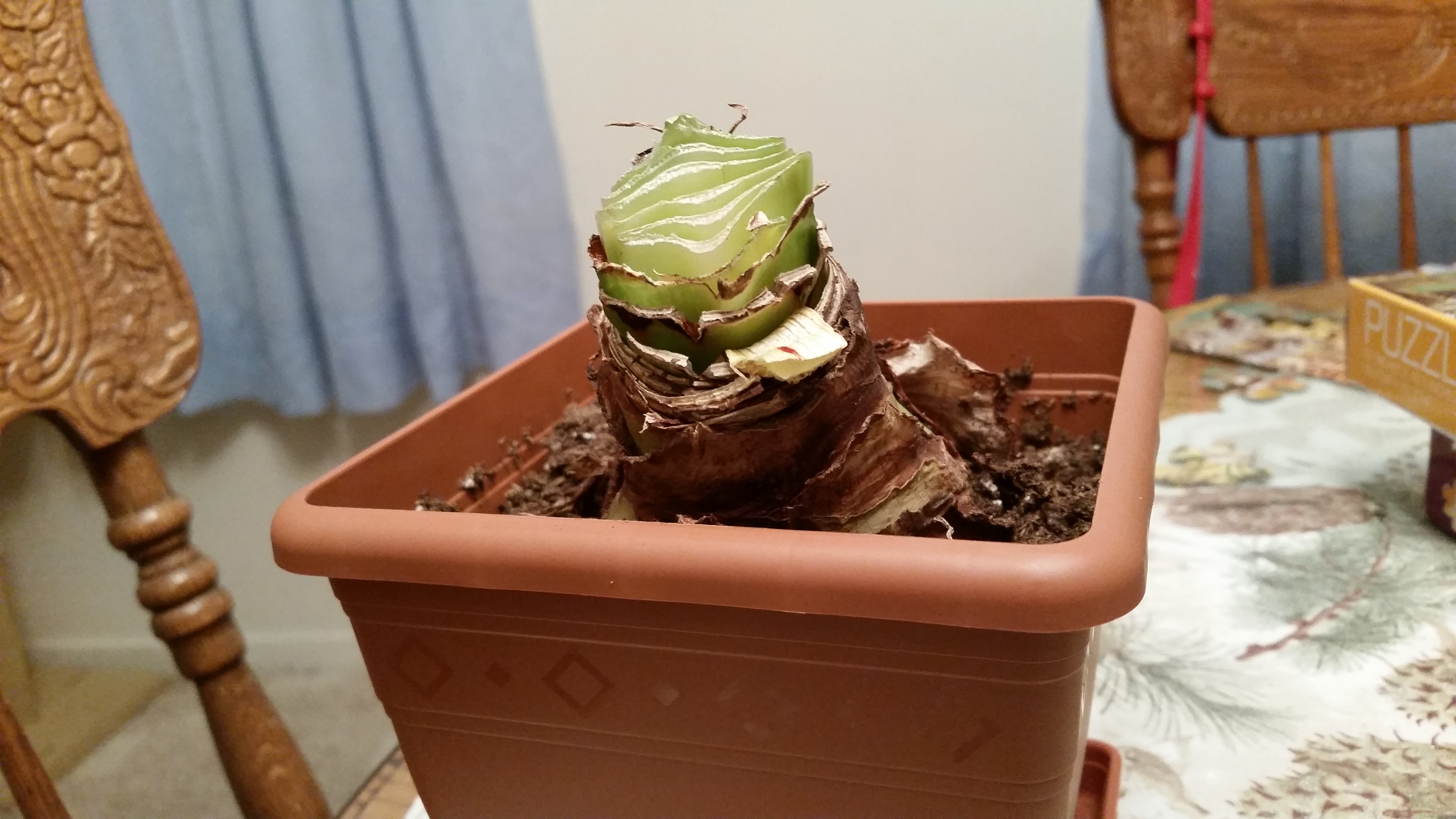
My Amaryllis now after I cut it down.

My Amaryllis now after I cut it down.

So, I did my research, and yes, you can re-bloom your Amaryllis bulbs.

Here’s how:

  • At this point, the bulb is exhausted and needs some rest. Cut down the stalk of the flowering bloom. DO NOT CUT the leaves. They provide the food for the “exhausted” bulb.

*Don’t cut the leaves like I did above. It’s wrong. I got a little cut-crazy and cut my whole stem off. Apparently you aren’t supposed to do that. Just cut down the stem that the blossom was on, not the leaves. Another example of Learning As I Grow!! I am still going to try to salvage this bulb.

  • Put the bulb in a sunny window and fertilize it.
  • Once spring has come and the threat of frost is gone, plant it outdoors in a sunny location.
  • In the fall, wait for the frost to hit the leaves until they are brown and then cut the leaves.
  • Bring the bulb inside and keep it in a cool dry place for 8-10 weeks. And then re-pot the bulb and water it.
  • Don’t water it again until you see new growth.

I hope this helps anybody who is interested in keeping their Amaryllis bulbs instead of getting rid of them.

Has anybody made the mistake that I did and cut all the leaves off, and was still able to salvage the bulb? Please let me know!