A Natural Pause

So, my target was to get this out on Wednesday, but unfortunately life got in the way and I was unable to. For this week’s “Natural Pause”, I would like to show you pictures of some of the plants I purchased for my new garden bed I had created in early Spring. I did get lucky and find many different varieties of ferns, because they are my favorite. And for next year, I plan to add more! Whatever you decide to plant next year, I hope you enjoy a few of the plants that I have in my gardens.

Coneflower

Coneflower

Two-Row Stonecrop Sedum

Two-Row Stonecrop
Sedum

Lamb's ears

Lamb’s ears

Coral Bells

Coral Bells

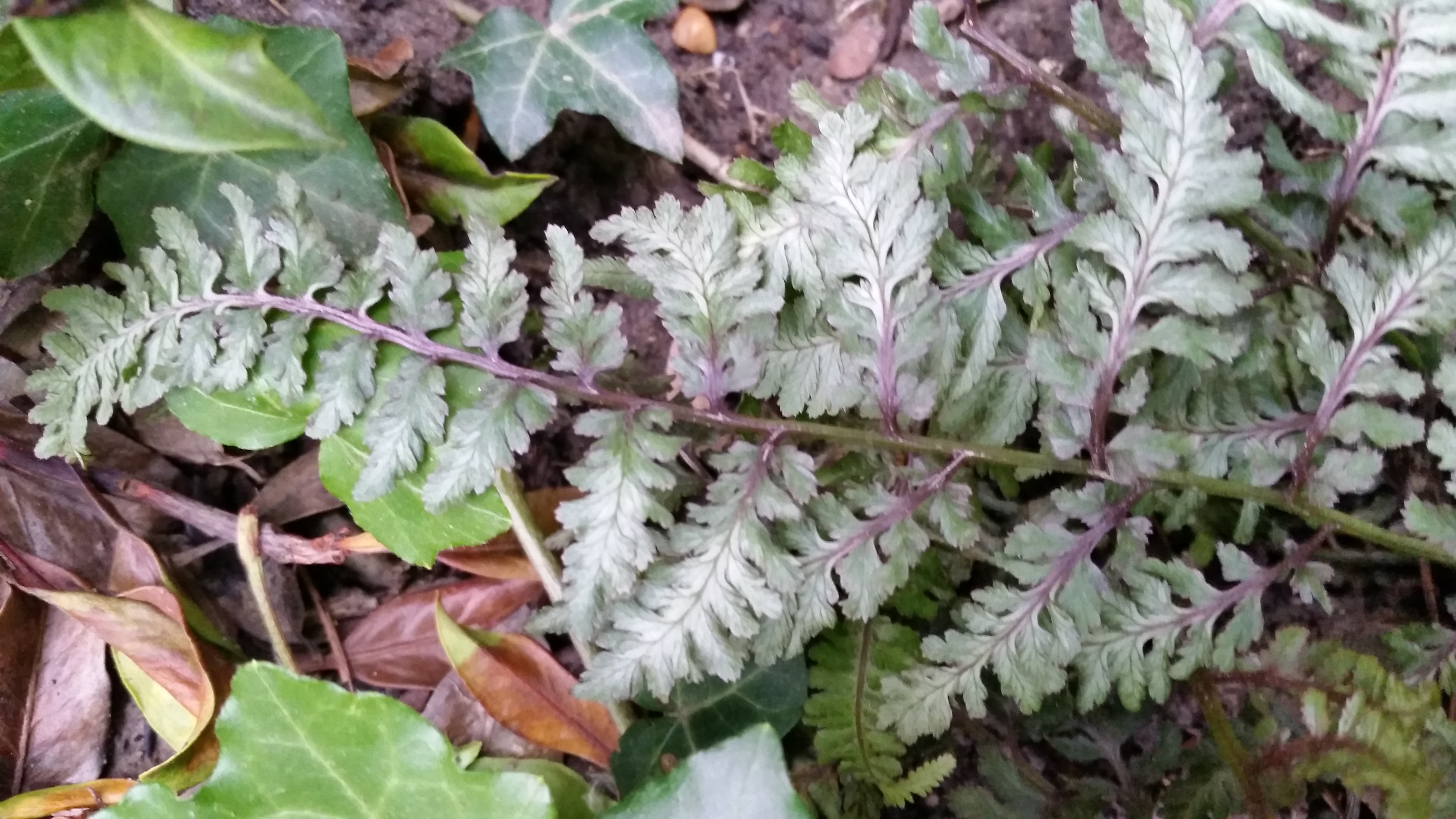
Japanese Painted Fern

Japanese Painted Fern

Ghost Fern

Ghost Fern

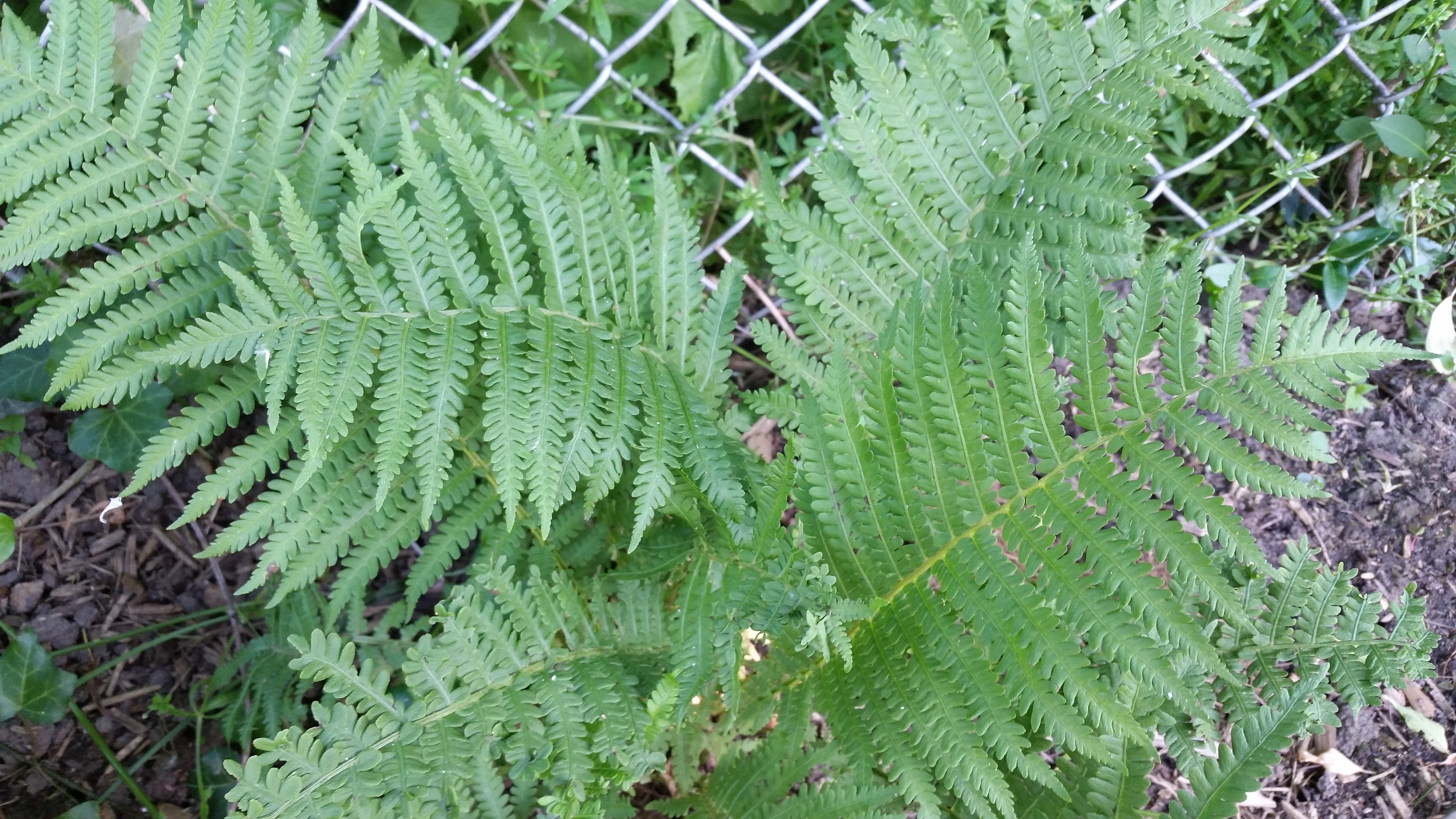
Ostrich Fern

Ostrich Fern

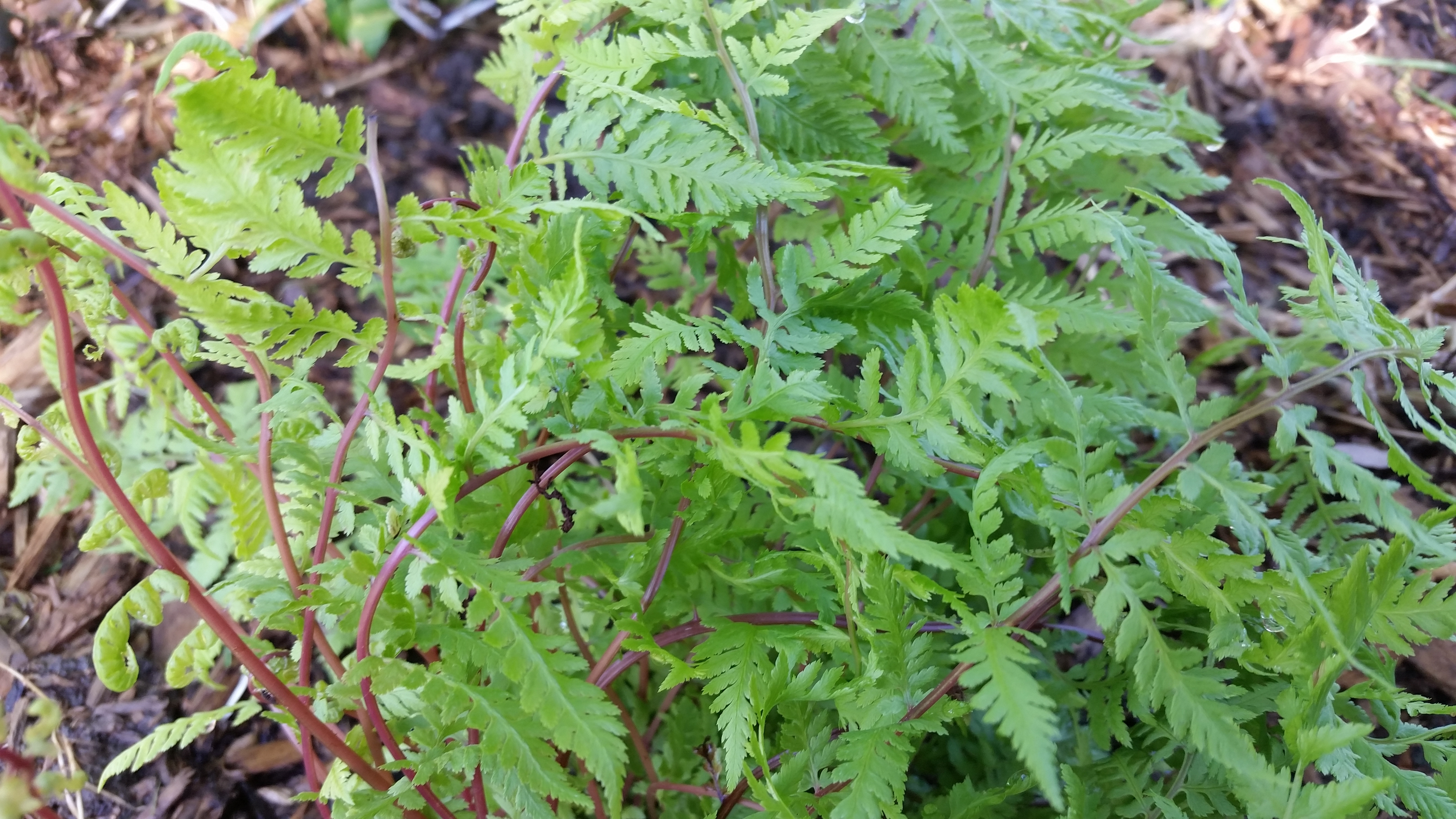
Lady Fern

Lady Fern

Columbine

Columbine

Mountain Laurel

Mountain Laurel

Blue Princess Holly

Blue Princess Holly

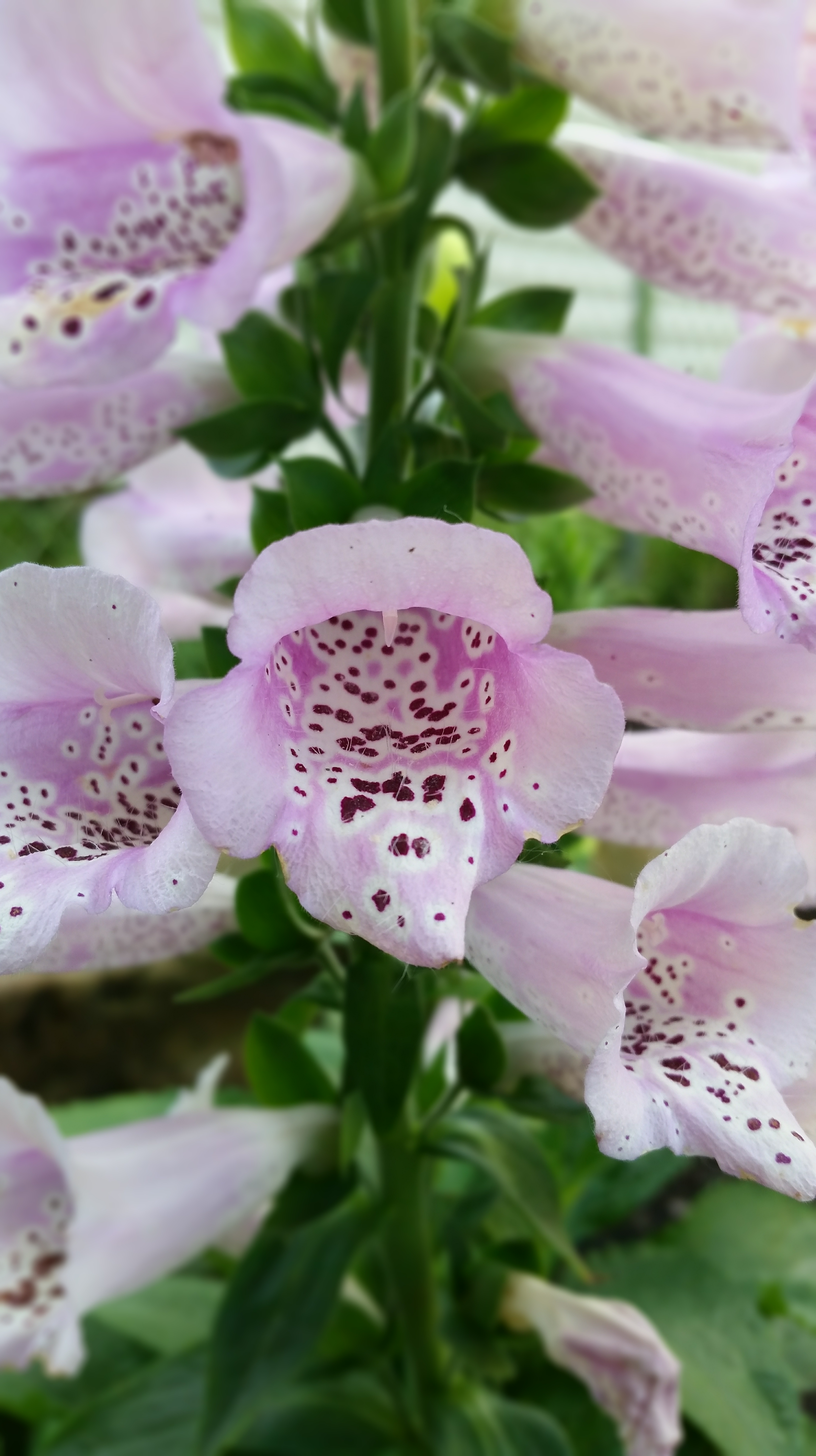
Foxglove

Foxglove

One to Grow On: Lessons Learned in the Garden this Year

Oh boy, it’s been a busy week! With Halloween and my parents coming to visit, and some Christmas shopping accomplished, I had a full weekend!  The weather was less than desirable, we ended up getting some snow on Saturday! Last weekend was absolutely beautiful, and I was ready to accomplish the second phase of my fall preparation for my garden, but I guess that was not meant to be. I pulled muscles in my lower back yet again, and I was sidelined for the whole weekend. So, in between snowflakes that are forecasted for next weekend, I need to start cleaning up the gardens! I figured while I have some down time allowing my back to rest and heal, I thought this would be the perfect time to reflect on this past growing season and evaluate what I did well with what I did not do so well.

Overview:

This was actually a very hard growing season for Western New York. We came off an unusually cold Winter that included two blizzards that shut down the city of Buffalo. We were in the single digits for most of the Winter; no thaw came at all! And because of this brutal cold, the ground stayed cold right into June. Unfortunately, I lost a few plants due to the Winter, and I had a really hard time growing anything I had planted. In fact, most of my plants didn’t really start “growing” until August and bloomed right into September!

Pros:

– The new bed I had my husband roto-till in early spring was just the right size for my yard and my lifestyle. As the old saying goes, “don’t bite off more than you can chew”. I was a little nervous that I might have gone in over my head,that I wouldn’t be able to maintain it. It actually turned out to be just right.

My brand new flower bed--it has changed so much since this picture!

My brand new flower bed–it has changed so much since this picture!

– I added MANY new plants this year. It was pretty much an addiction. I kept buying plants right up until August when all the spring nursery stock was marked down 50%! Spring nursery stock is just a term used to describe plants, shrubs, trees and flowers available for the new growing season.

– This was the first year I was able to enjoy my garden. After six years of planting, transplanting and expanding, my back yard is finally looking like the beautiful, lush, oasis I wanted it to. I bought a few Adirondack chairs and would sit out in the backyard early in the morning listening to the birds and drinking a cup of coffee, all before my daughter woke up. It was the best feeling in the world.

20140908_184940

Cons:

– I did not water enough. Water, Water, WATER. Even though, I must say that I was a lot better this year with watering all of my new plants, I could have done better. Plants you purchase and put into the ground need a ton of water to establish, or as I like to say, “make themselves at home”. Then, once they are established, you don’t have to water as much.

– I need to mulch a little more than I did. This would have helped out with my water situation! It’s amazing how much of a difference mulch does make for beds, such as the ones I have in the far back of my yard, when you can’t get the hose to reach out that far! I have also been interested in making a compost pile.

– I didn’t fertilize as much as I should. I usually fertilize with the Miracle-Gro liquifeed for maybe the first 4-6 weeks of the season. I probably only did it two times this year. I think this would have aided in earlier blooms in my garden.

All in all, progress was made this year, I am happy with that. I have big plans for next year, so that makes me all the more anxious to get out there and get “growing”!

Freeze! Everything you need to know about Frost and Growing Seasons

I really can’t believe this is the last weekend of October already! I have accomplished quite a bit of what I wanted to do this growing season, so I am very happy for that. I still have to do a couple of things, but all in all, I feel accomplished. When I was planting bulbs a few weeks ago, I was talking about how you can plant bulbs right up until the ground freezes. Well, what does that mean exactly?

  • Freeze– when the ground turns solid. This happens when the air temperature drops down to 32 degrees Fahrenheit ( 0 degrees Celsius) or colder.

Please don’t get it confused with this:

20141012_085138

This is what you call frost. Frost is an ice coating on the ground that usually happens at night as temperatures dip down to or close to freezing, but there is still plenty of humidity in the air. The above picture happened two weeks ago for me. Frosts happen in early spring and late fall; the beginning and end of the growing season. Frost is part of the freezing process, and it will kill any delicate plants you have planted. That’s why you usually hear the weather person on television say to “cover up any tender vegetation” you may have if a frost is looming. I remember as a child watching my parents take big, old sheets and covering up plants, mainly in the spring, since they had just planted them.

So, what exactly is a growing season? A growing season is a period of time in every year that allows for the most growth in your plants. A “frost free” time, if you will. And growing seasons vary for everyone in every different part of the country, and even the world! And now that you know what a growing season is, you will also need to know your regional hardiness zone. There are many factors that make up your region’s hardiness zone, but one of the main factors is just how cold your area gets. The USDA Hardiness Zone Map is a great one to check out, and once you find out your hardiness zone, you will be able to purchase plants and seeds that will thrive in your zone.

An interesting thing to note is that even though I now reside about 1 hour and a half north from where I grew up, my hardiness zone is different from my parents. My parents reside within zone 5a, whereas I now reside within zone 6a. Why is that? Well, I am surrounded by two huge bodies of water, Lake Erie and Lake Ontario. I am going to have warmer temperatures than my parents who reside further south and further interior. They get much colder and much more snow than I do, believe it or not.

Whatever your little part of the world, you will be able to garden with optimum results if you know your growing season and hardiness zone. Taking the time to find out this important information will help you better understand what plants you can grow and how you can get the most out of your growing season!

A Natural Pause

One of the biggest inspirations for my home gardening comes right from nature itself. As an outdoor enthusiast, I always have my camera on hand to take pictures of anything that I find intriguing and beautiful when I am running, walking or hiking. As Wednesday is considered “hump day” in every work week, it’s also the perfect day for a “natural pause”, for just a few pictures of nature and my community that inspire me not only in the garden, but in my everyday life. Enjoy.

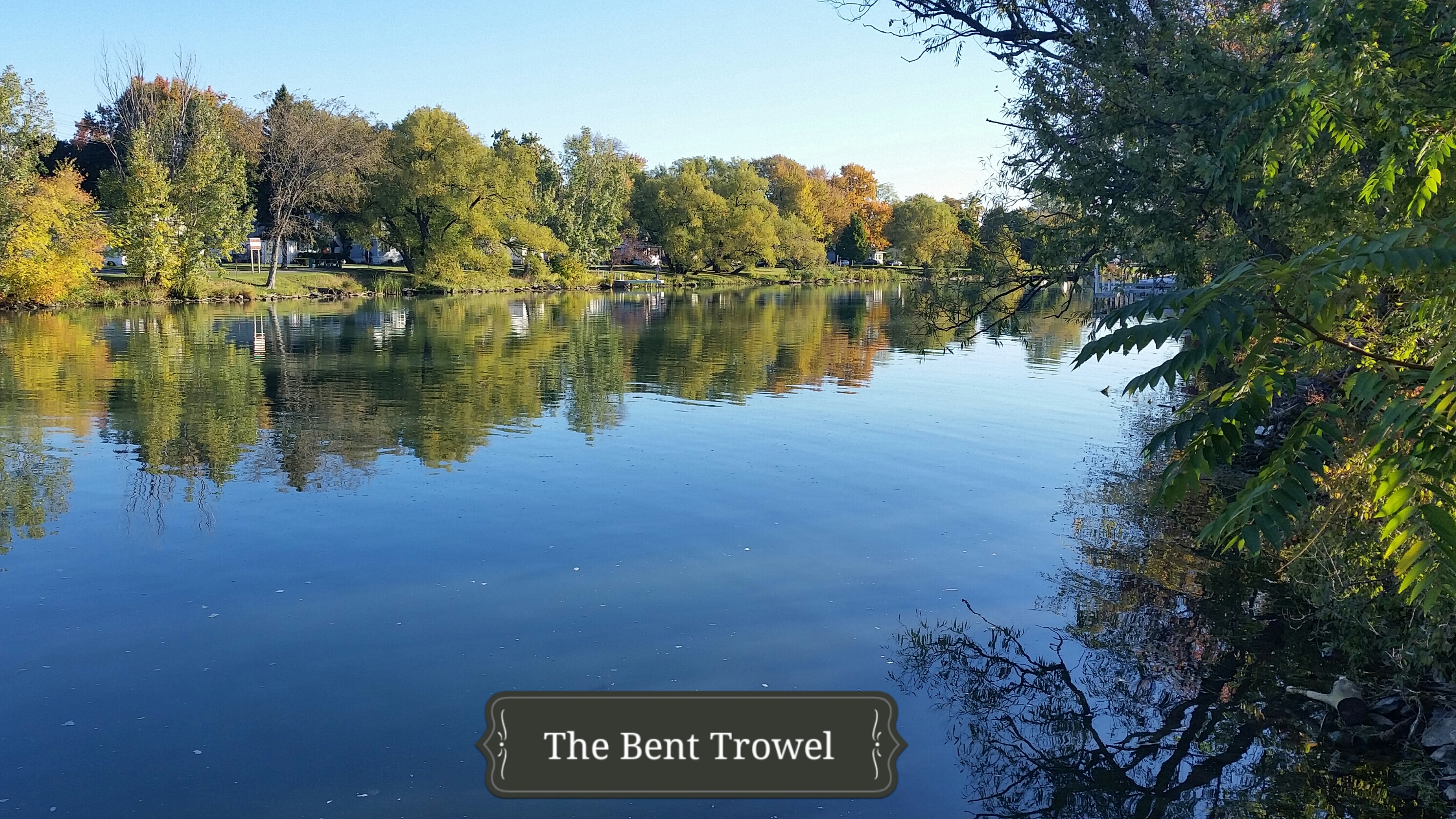
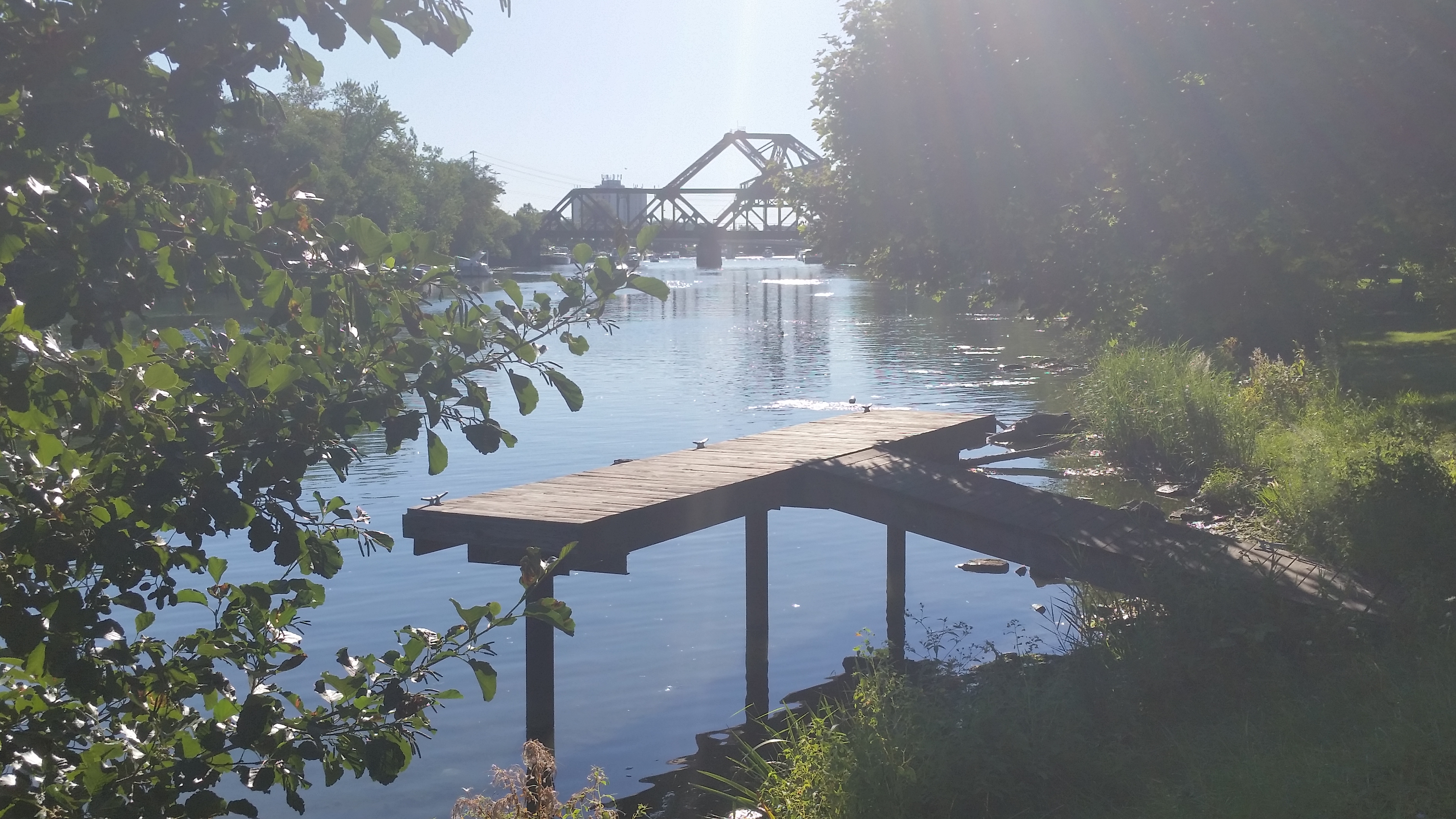
Erie Canal  North Tonawanda, NY

Erie Canal
North Tonawanda, NY

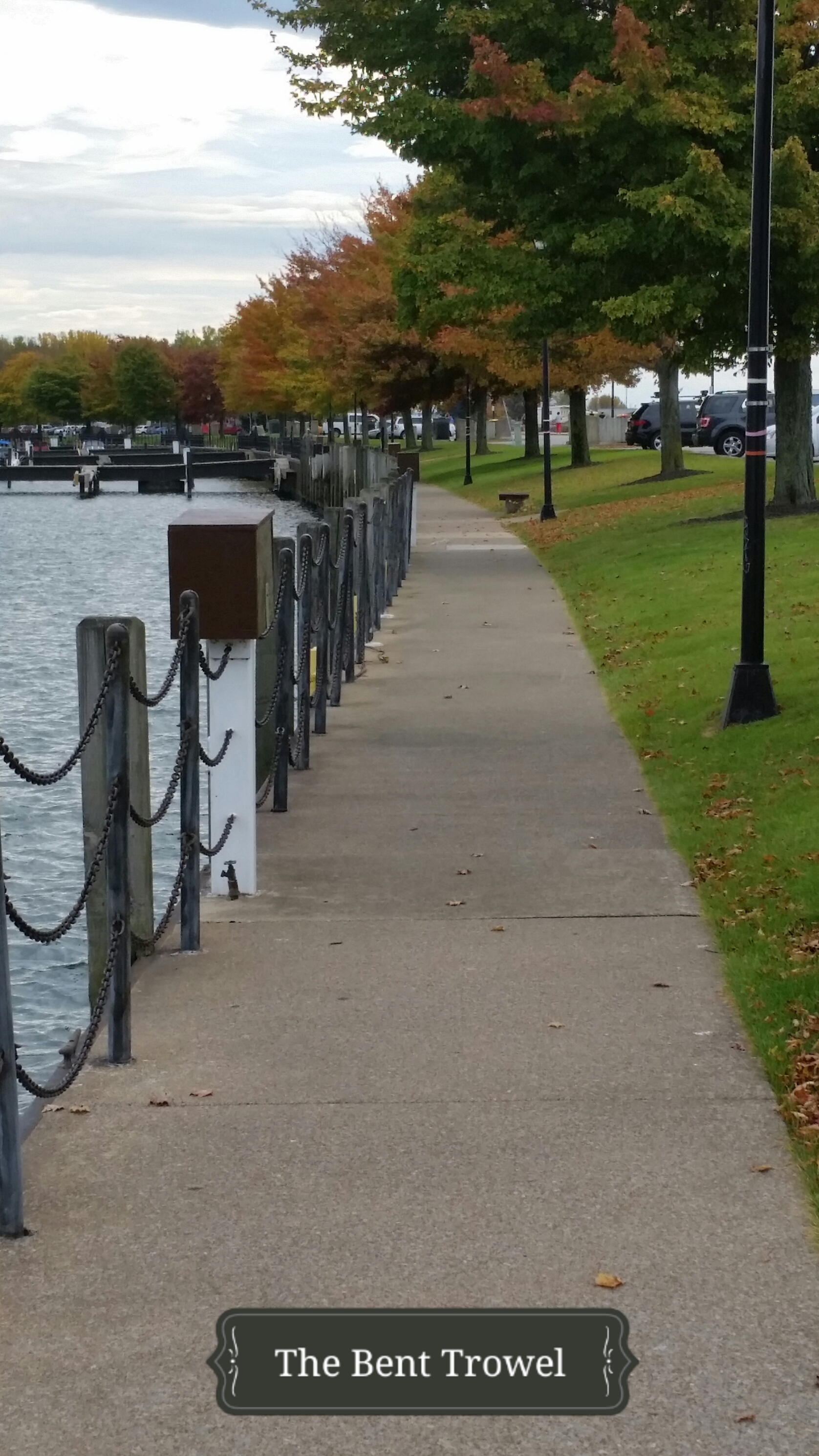
Erie Basin Marina Buffalo, NY

Erie Basin Marina
Buffalo, NY

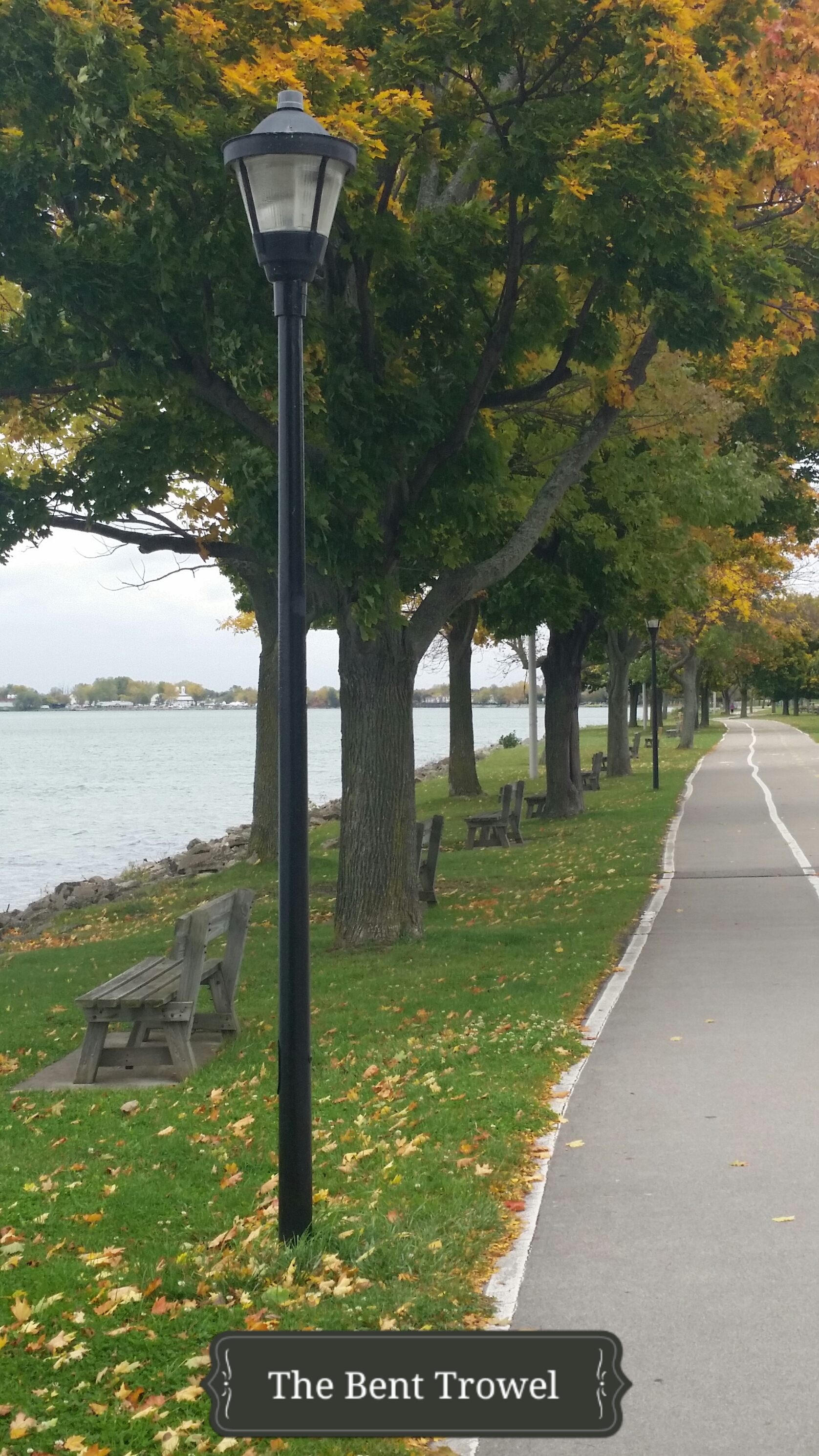
Niawanda Park Tonawanda, NY

Niawanda Park
Tonawanda, NY

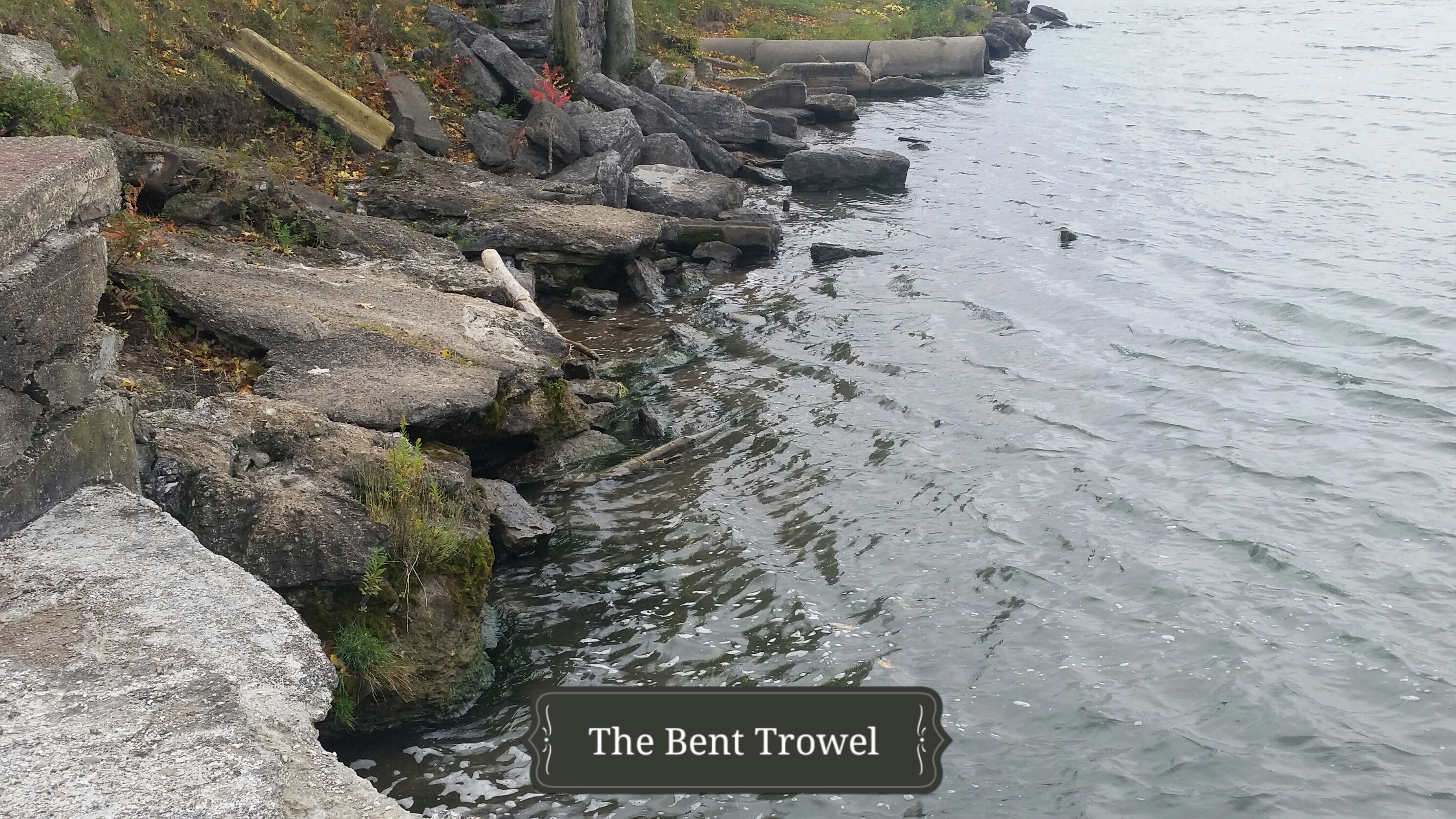
Niagara River Tonawanda, NY

Niagara River
Tonawanda, NY

Erie Canal Path North Tonawanda, NY

Erie Canal Path
North Tonawanda, NY

To Every Season, Urn, Urn…

As I have said before, Fall is one of my favorite times of the year. I love the sights, smells, everything. I have apple pie flavored coffee, and “crisp fall leaves” smelling wax melts in my candlewarmer. I have four totes in my crawl space full of fall decorations that I put up in my house Labor Day Weekend. It’s funny how when you move into a house, you all of a sudden love to buy decorations for every season. I buy too much! The core of my fall decorating will stay out until Christmas, but I will swap out Halloween decorations with Thanksgiving decorations when needed.

This also goes for my decorations on my front entryway. You don’t have to spend a fortune to make a nice entryway. My decor has changed over the years, as it naturally will, because your tastes change and you finally understand how to make things look nice and put together! I have to admit I am still working on this, but I’m finally understanding more as time goes on. Like everything, including my home, it’s a work in progress!

And all you need are a couple of planters. Or urns, like I have stated in the title. And you can get pretty much use anything. Back in the Spring, I really wanted a couple of urns to put out on our small porch. Well, urns are expensive. And trust me, I like to splurge, but I really didn’t feel I wanted to splurge on urns. I knew better. But, lo and behold, I found two black plastic urns for $11.98 each. Yay! What a bargain! And, they were just the right size for my small entryway. So, as Summer came, I planted a few annuals in it. But now that it’s Fall, I wanted to decorate accordingly, and will probably do it for the Winter, too.

This is what I decorated my urns with, maybe this will give you some ideas on how to decorate your planters!

20141011_140604

I have put some gourds, which are very inexpensive, in the urn, along with some fake grasses that I purchased at a craft store. Mixing real plants with a few fake plants to fill in the holes will add nice textures, along with improving the aesthetics of the planter.

  • Find something you really like to put in your planter and make it the “star” of the decor. Everything else you choose should enhance the main interest in the planter.

As you can see, my “star” of my planter are the brown, fuzzy corn-dog looking things called Cattails. What are they? Cattails are a marsh and wetland plant that are really interesting looking. Since I live so close to the Erie Canal, my daughter and I went what I like to call “stroller off-roading” one beautiful September day on the canal path and snipped some off.

cattails cattails canal

They are very fuzzy, and when they mature, the seeds float off into the air. They look like little feathers from a down coat! I have used cattails in my fall decorations for the past couple of years. I actually rode my mountain bike many miles one year to find them! I’m always up for an adventure!

Even if you don’t have access to cattails, you can use ANYTHING– tree branches, corn stalks, hay bales, pumpkins (orange and white), and fall favorite plant, mums! Anything can be used, it’s all in what makes you happy!

20141019_144400

This is what I continued to work on. I love white pumpkins, so I added them and my daughter’s regular pumpkin ready to be carved, along with a yellow mum, and a bowling ball… yes I will elaborate on using bowling balls as decoration in a Spring post!

Outdoor decorating can be made into anything you want it to be. It doesn’t have to take a lot of time or money either. It all depends on what is right for you and your home. So, sit back and enjoy the wonders of the Fall season. Winter will be here before you know it!

Dig In To Some Great Fall Planting

Today was such a beautiful day, and it almost didn’t happen. Meaning, I had two big hurdles that I had to jump over to get any work in my garden done– 1. The Buffalo Bills-New England Patriots game was on. 2. My daughter came down with a cold yesterday. So, I did everything in pieces today.

For me, Fall garden preparation comes in two phases– the first one is planting spring bulbs. Here are some of the more common spring bulbs you will find in your local garden stores that are very affordable and readily available:

  • Crocus
  • Daffodil
  • Tulip
  • Hyacinth
  • Muscari, or Grape Hyacinth
  • Allium

As I mentioned in an earlier post, I went to my local garden store last month, and purchased some fantastic Allium bulbs. I figured I had to take advantage of the nice weather we are having and get these bulbs into the ground now, despite the fact I had a few setbacks.

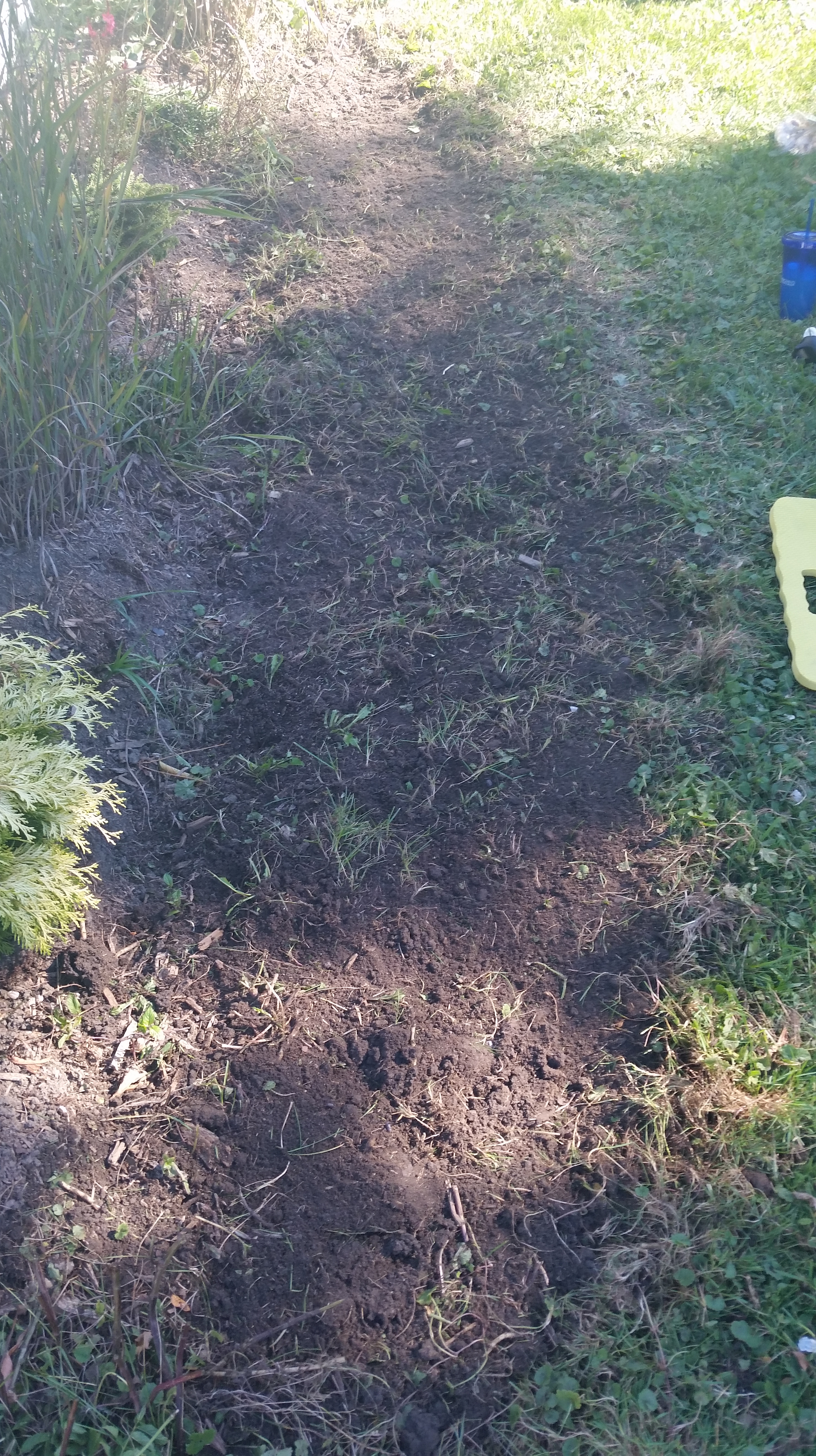
Before I could plant my 35 new Allium bulbs, I needed my husband to roto-till some more of my yard for me! Unfortunately, I didn’t get a chance to take pictures as I was tending to my toddler who was a little under the weather. But, I did get to take a picture of the extension later on when I finally got a chance to dig in and get planting!

To get started, I needed to gather the tools I was going to be using.

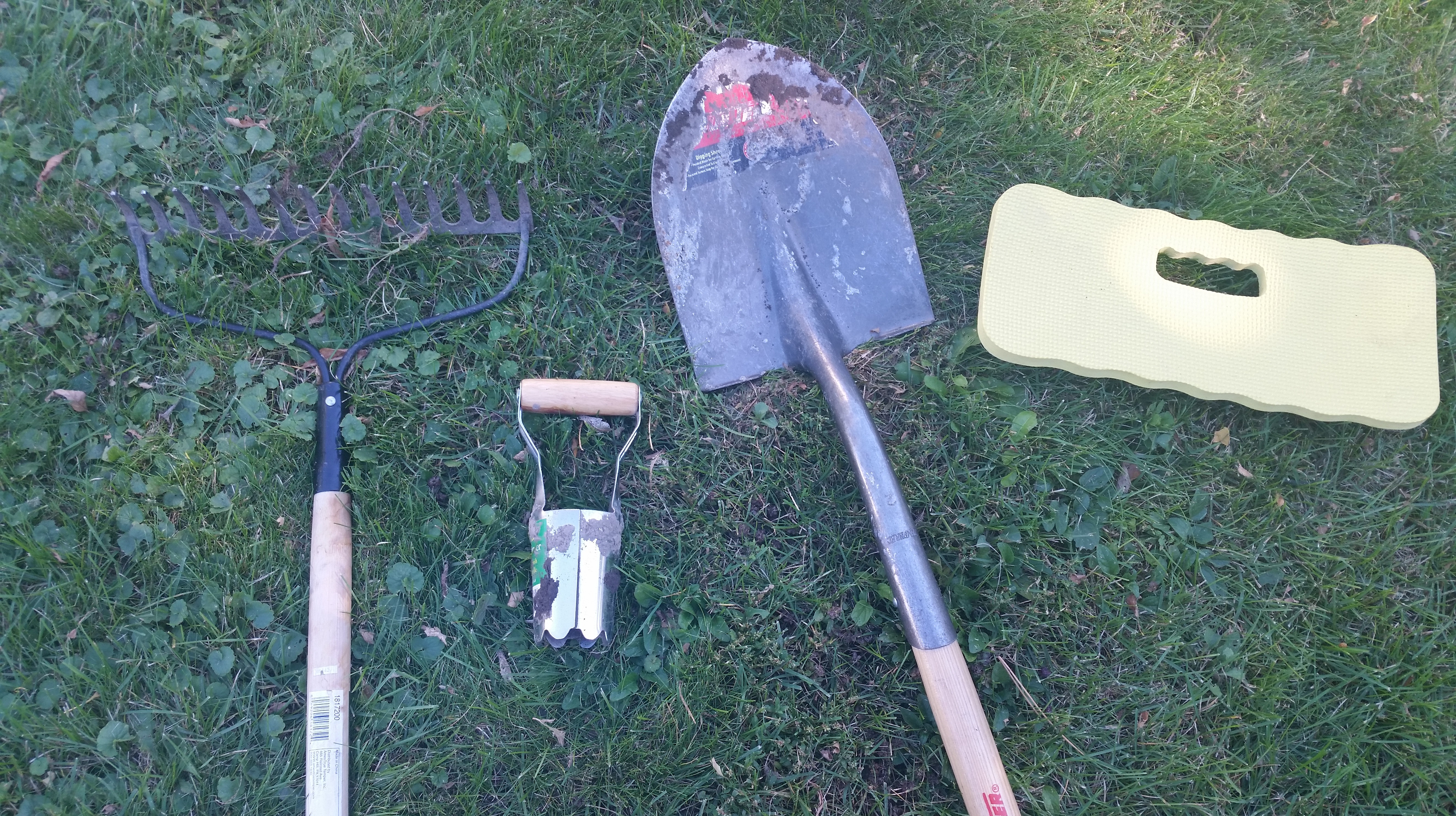
For this garden session, I will be using a bow rake, bulb planter, shovel and knee pad.

For this garden session, I will be using a bow rake, bulb planter, shovel and knee pad.

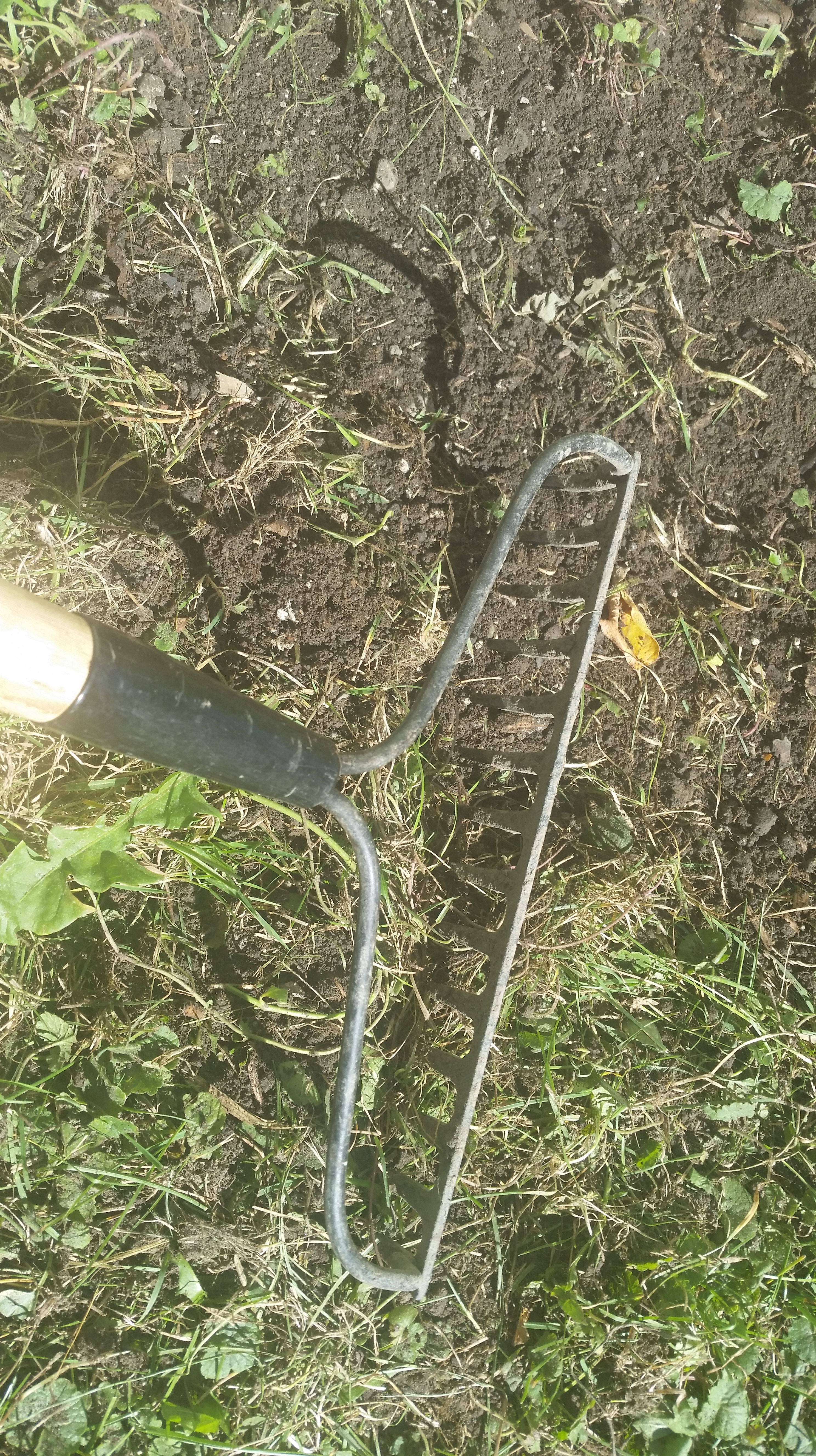
The first one being a bow rake. A bow rake is helps level off or loosen soil. This has 16 “tines”. This is excellent for evening out large mounds of dirt or other uneven surfaces. It’s also good for leveling gravel or mulch, or any other loose items for the garden.

20141012_115126

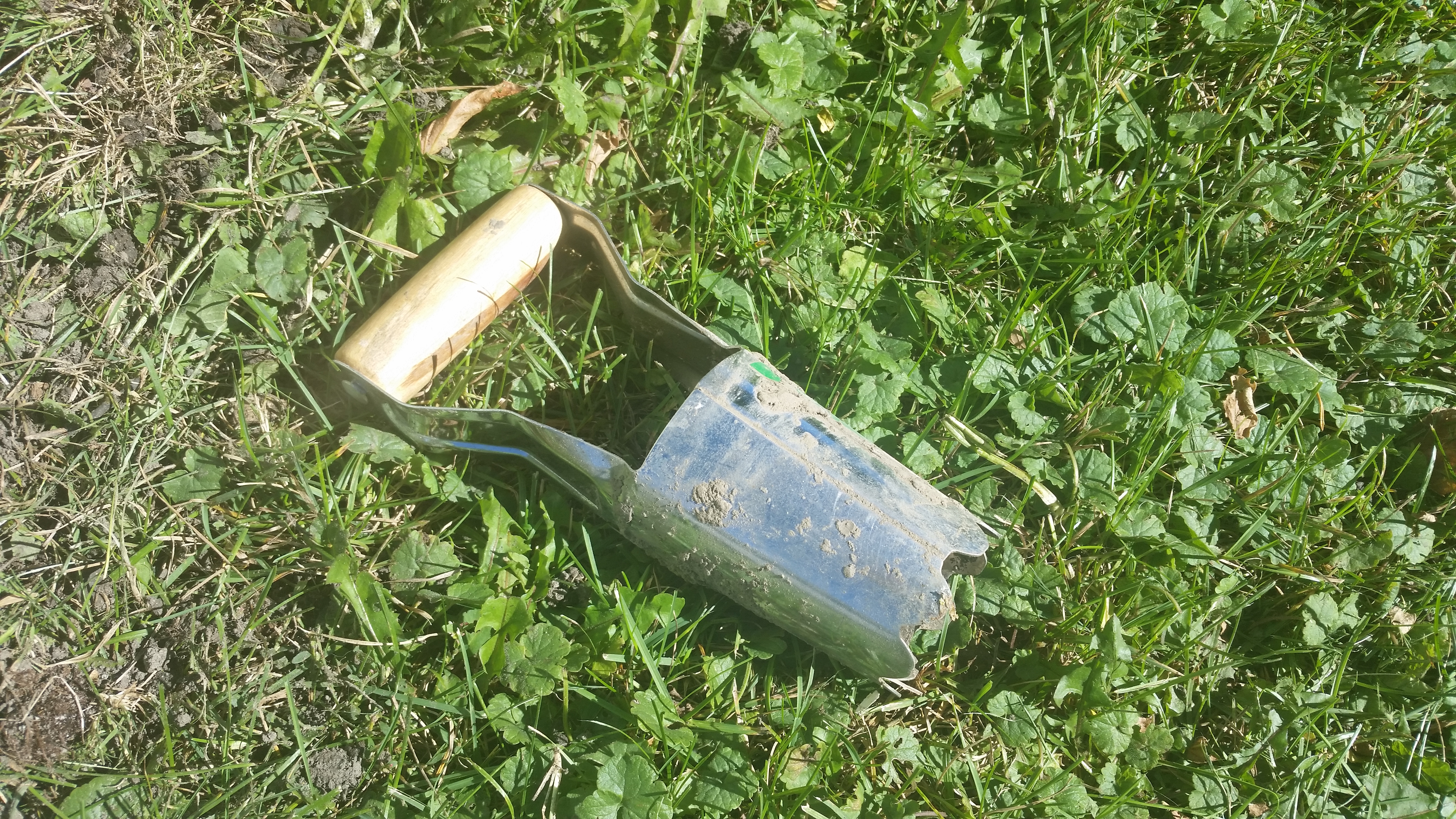
The second one is a bulb planter. This tool comes in handy for the first-time gardener who has never planted bulbs before. You simply push it into the ground until the whole shaft of the planter is completely in the ground, and you will create a hole deep enough to plant a bulb. Now, once you become a pro at bulb planting, you will know that you can dig a whole between 5-6 inches deep if you don’t have a bulb planter handy, because that is the average depth that bulbs are planted.

20141012_115819

Of course, your trusty shovel will come in handy if a part of your yard is too difficult to you use your bulb planter.

And…. a knee pad! The knee pad saves you from much pain, and they are cheap! I purchased mine at a dollar store!

How to Plant Your Bulbs

Here is my beautifully newly tilled spot for my Alliums, thanks to my husband:

20141012_122334

I used the bow rake and shovel to remove all the “rubbish” which is the grass that was tilled up along with the soil. I got a whole wheel barrow full!

20141012_115053     20141012_115935

And then I reached for my bulb planter and got to work!

20141012_120301

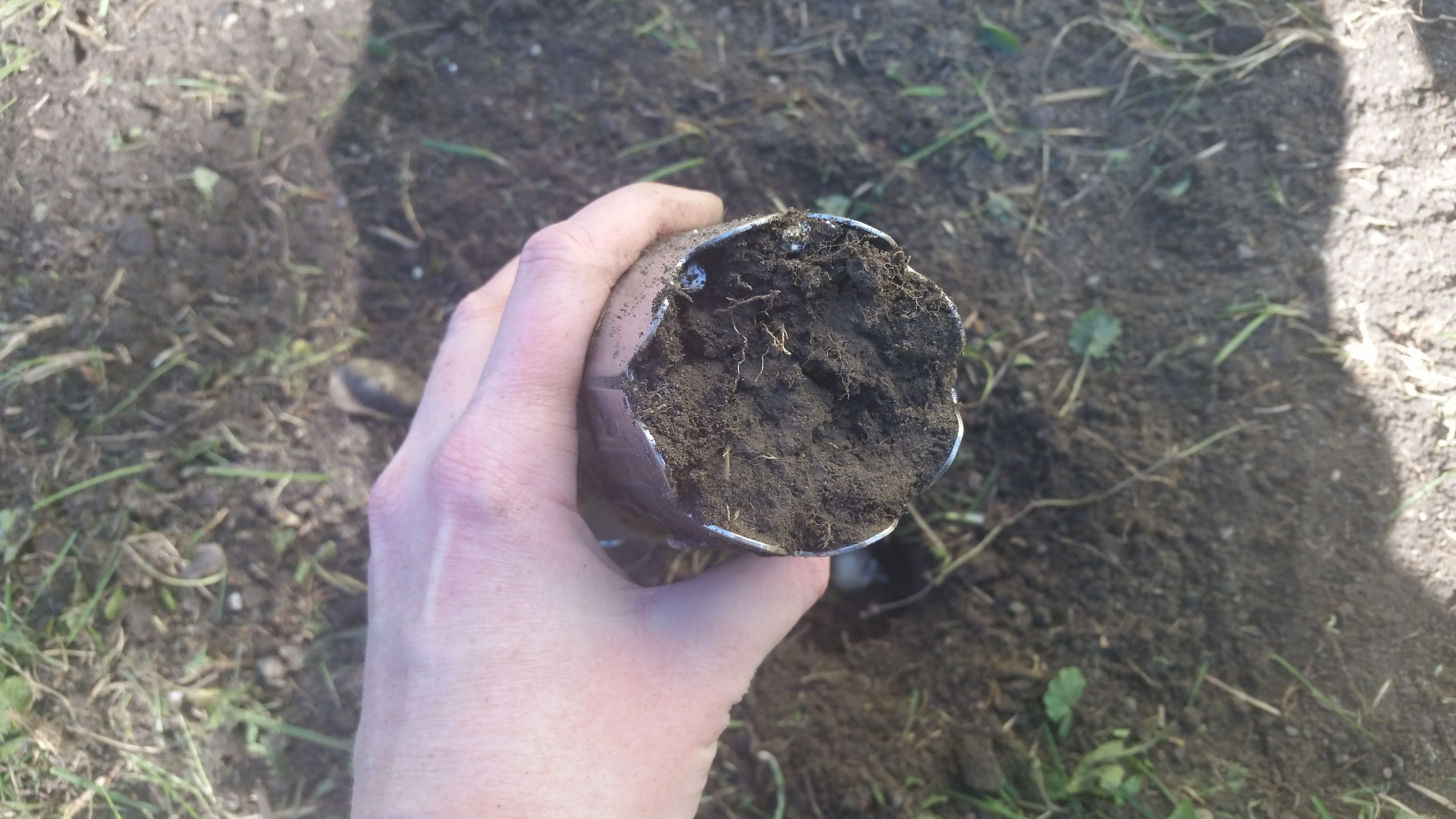
I simply pushed it into the ground, though you might have to put a little elbow grease into it. My yard has an exceptional amount of tree roots, and I had to use both hands to push this into the ground.

As I pulled the planter out, the center of it is filled with soil. This is what you will use to cover up your bulb with.

20141012_120653

And then you place a bulb in the hole that you dug and cover up the bulb. It’s that easy!

20141012_120638

Keep doing this until you have put all your bulbs in the ground. One good thing to know is that you can keep planting bulbs right up before the ground freezes. I planted bulbs in November last year.

It’s hard work, but you will be glad you did it when Spring comes and you can finally see the fruits of your labor!

Harvesting the Sun

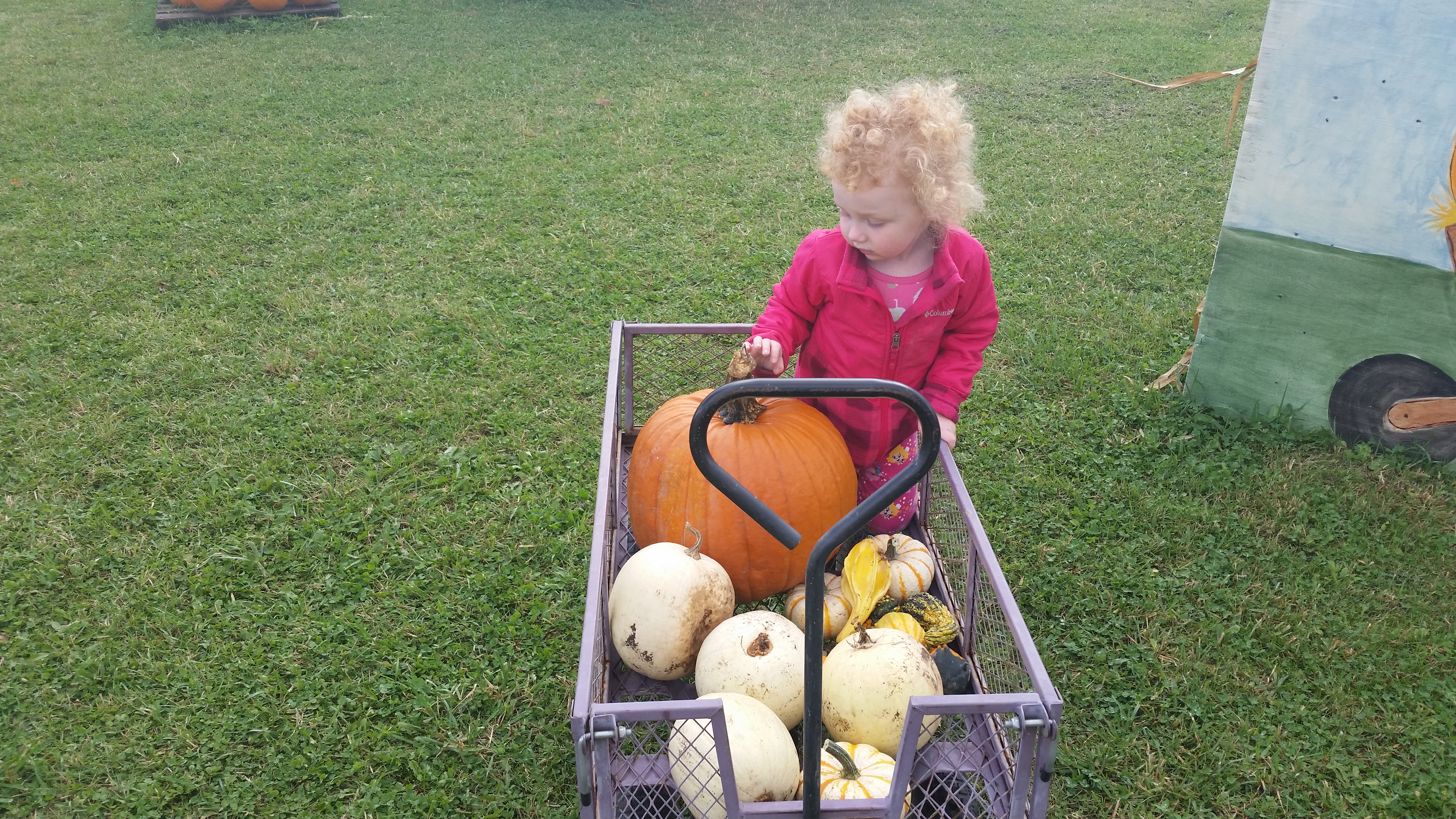
For the most part, this past week was absolutely beautiful. This weekend, not so much. As I type this, I am looking at the lake effect rain (yea, we get that too) from my dining room window that is pouring down in 50 degree weather, shivering as I sip my tea. I shudder to think that right around the corner, snow will be falling. I did manage to get some outdoor things done yesterday in between the rain, like taking my daughter to get her pumpkin from a local pumpkin farm.

20141004_121038    20141004_122421

But, for the most part, I was cooped up inside getting indoor things done, like laundry, which included washing two of my down coats. I am preparing myself for the weather to come within the next few weeks. Mother Nature, please give us a least two more weekends of good weather so we can get out on our little fishing boat a few more times!

With that being said, yes, after a rather fabulous September in Buffalo, October has started out not so good. Cold and dreary. Cold rain is the worst. Even though it was cold, I had a project literally fall for me that would keep me feeling happy and sunny through the cold and drizzle.

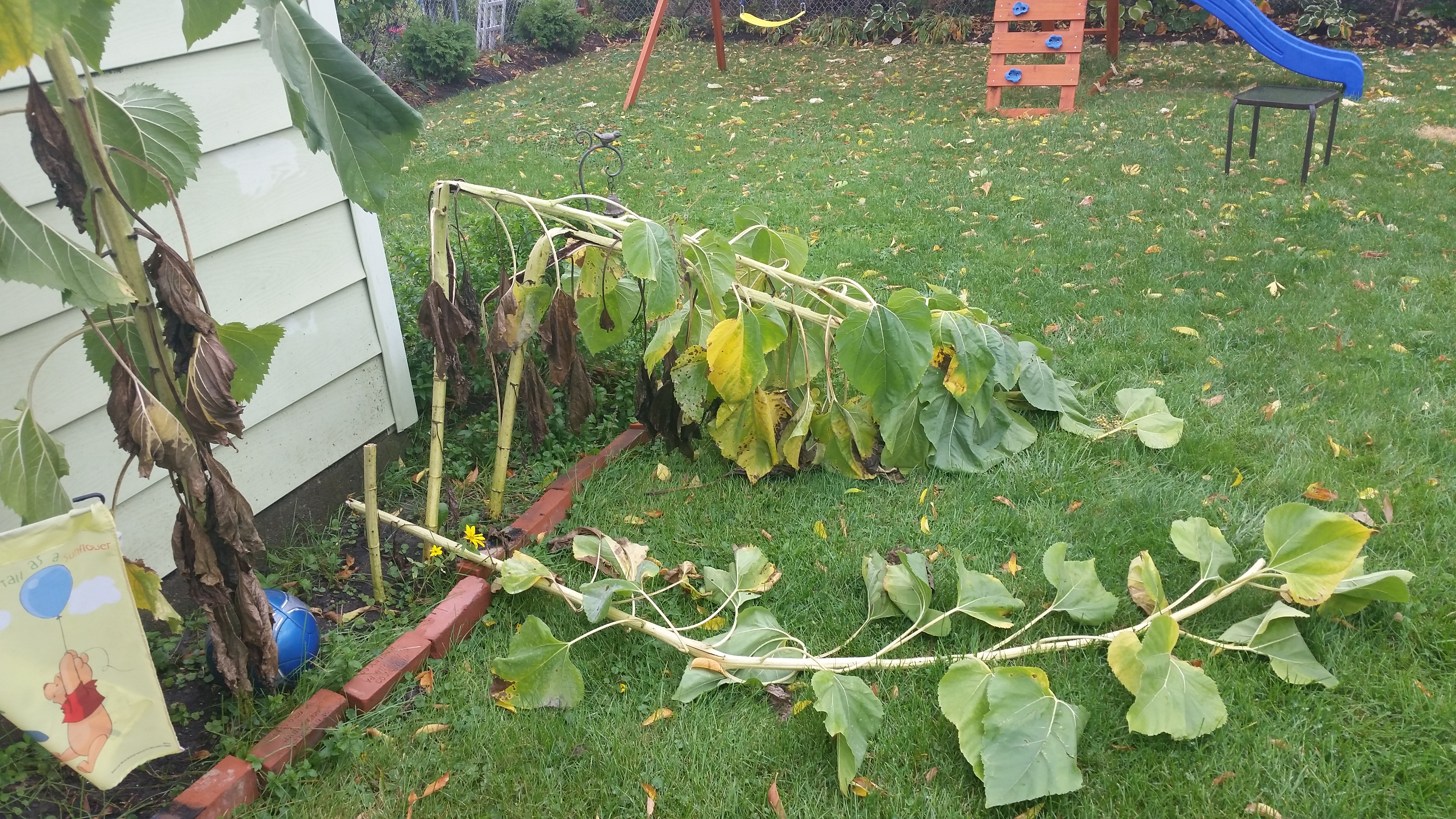
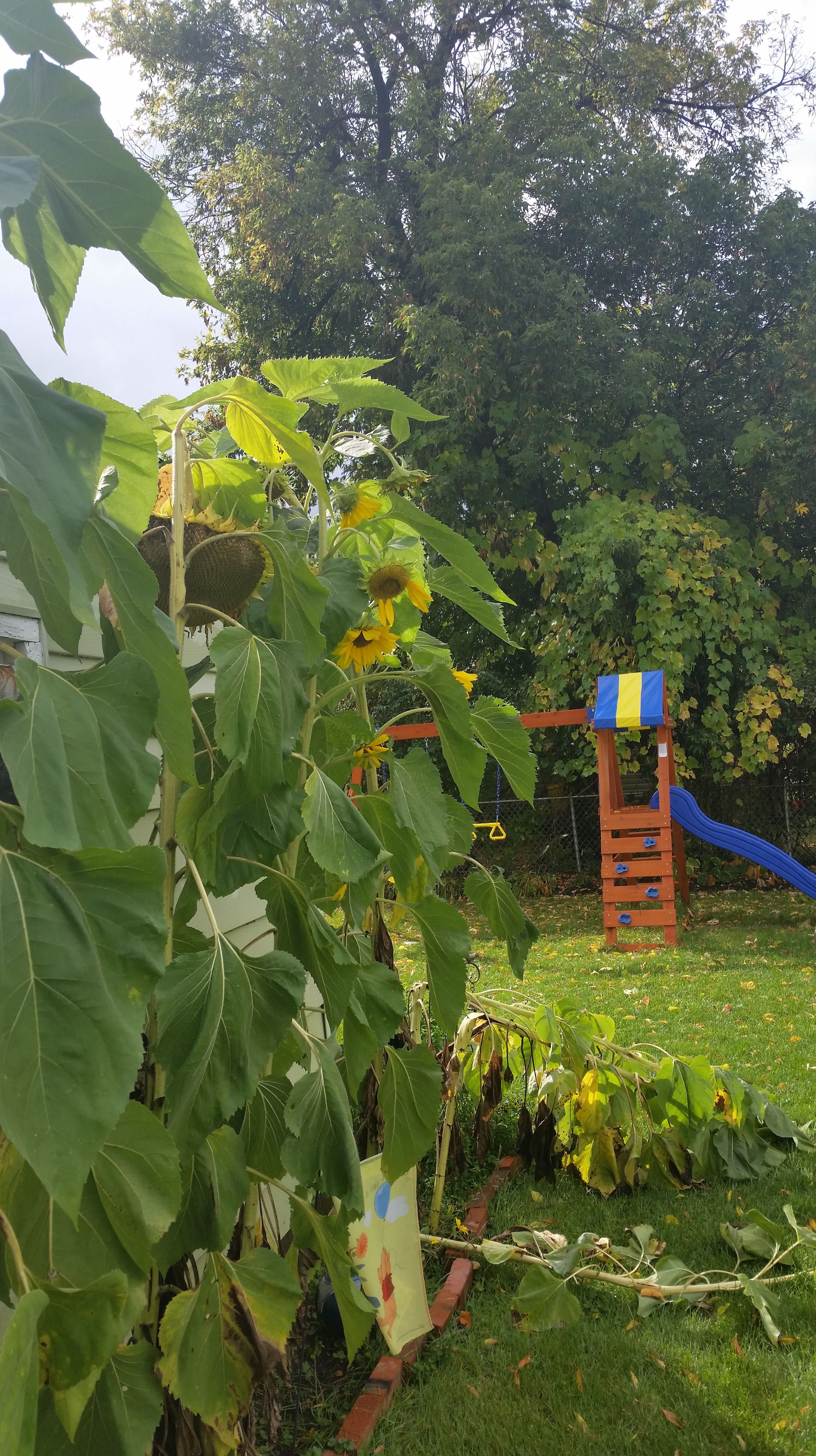
On Friday, as I got home from work, I noticed that a few of my sunflowers I had grown this year, had collapsed under the weight of their heads and fallen to the ground.
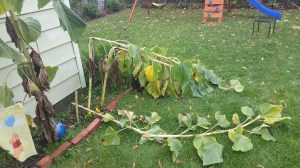
20141004_102853

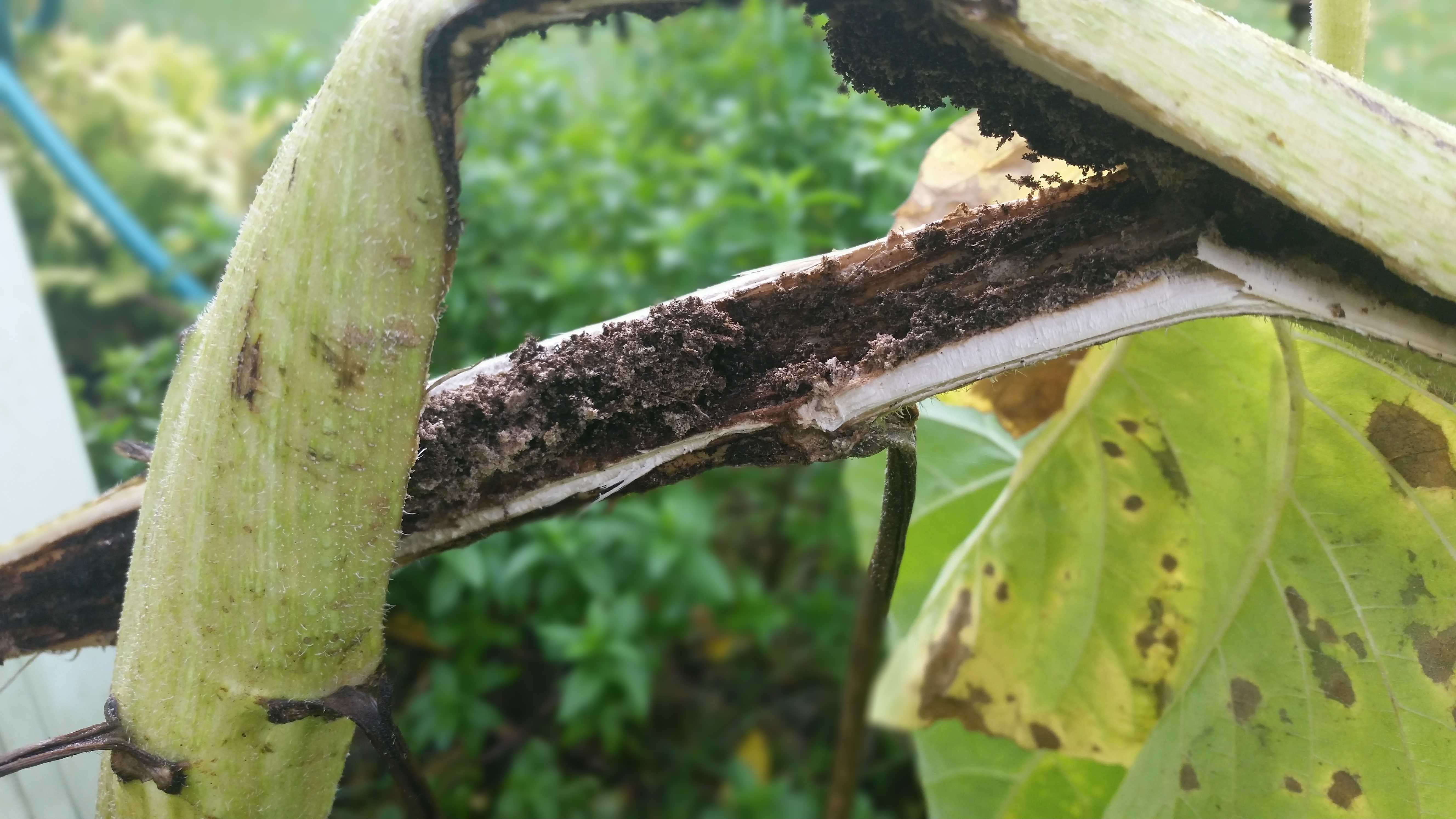
Upon closer inspection, I understood why they did. The inside of their stems rotted out.
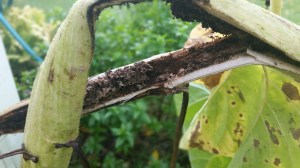
20141004_103150

So, instead of waiting a little longer to let them dry out on their own, I had an opportunity to learn how to harvest the ones that fell, not being on the stem.

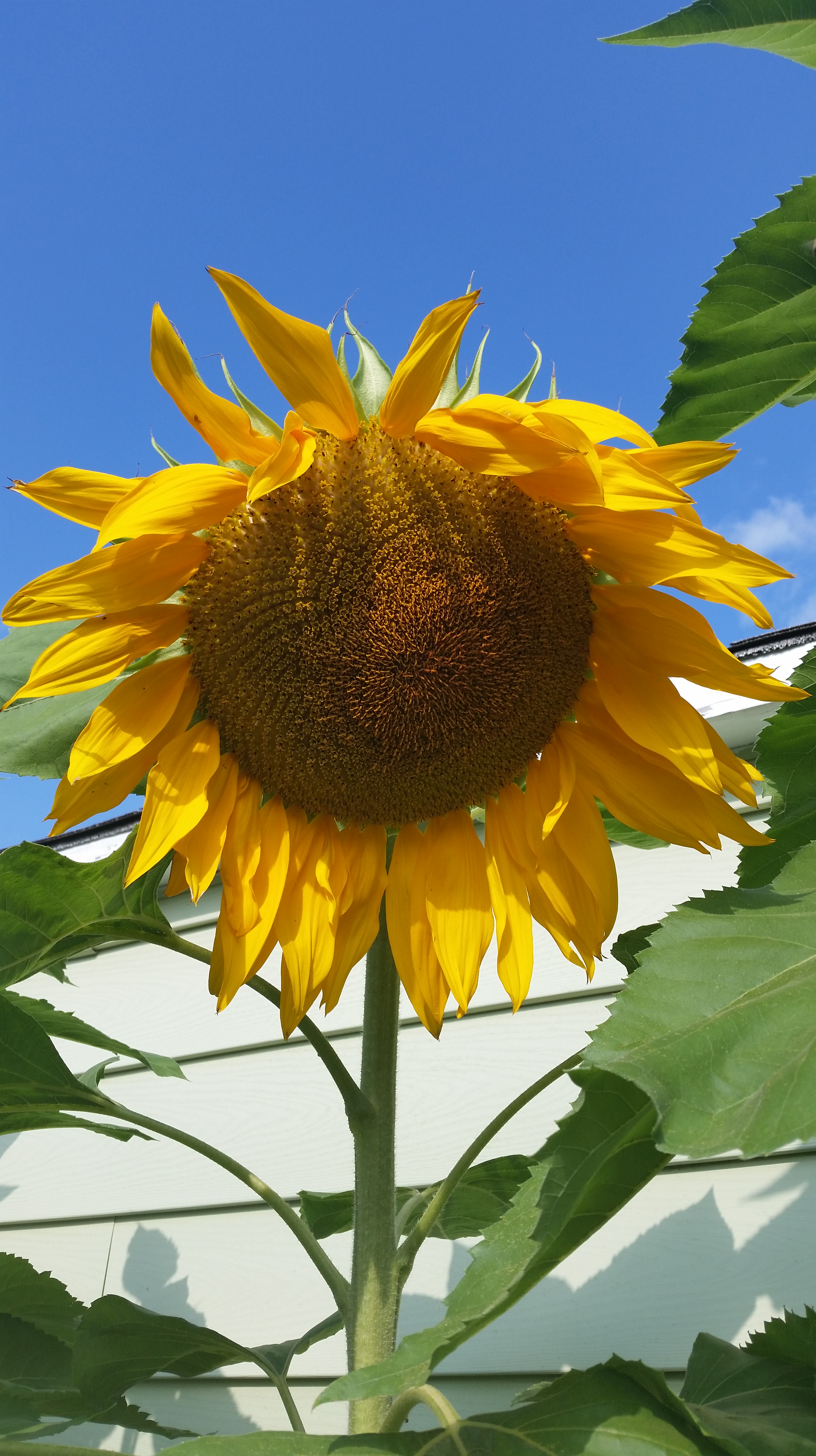
Let’s start from the beginning. Sunflowers are one of the easiest flowers to grow. I purchased a packet of Mammoth Sunflower seeds for under $2.00 last Winter, to get a jump-start on the season. Sunflowers happen to be a favorite of my husband, so I figured they would be perfect for the side of the garage that was not used up yet, and has nothing but full-on sunshine. So, I had my husband use our tiller to till up the dirt on the empty side of the garage. Mammoth Sunflowers happen to be annuals, but there are many different kinds of sunflowers that are perennials as well. They come in all shapes and sizes. But something about the size of the heads on the Mammoths intrigued me to give them a try. And, it was worth it:

After many garden fails, the sunflowers definitely made up for other disappointment.

After many garden fails, the sunflowers definitely made up for other disappointment.

Fast forward to this past Friday, and my sweet little sunflower patch was finally showing the season was wearing on it.

20141004_103041

So, my next step was to take a nice pair of garden clippers and cut the sunflower heads off, leaving 12 inches of the stem. While it was very cold and rainy, the sun did manage to come out and shine down on my lovely, half-dried sunflower heads.

20141004_104323

I wanted to remove the roots from my little patch after I cut down the sunflowers so I could be free of any “root rubbish” before the next growing season. Knowing that all of these sunflowers were at least 10 feet tall ( I had one that was 15 feet!), it was not going to be easy to get to the root of this stem. No hand cultivator would do, so I had to get out another one of my most coveted garden tools, the garden fork. The garden fork has four “tines” that help aerate and turn up the earth. I find this works the best when you are transplanting or digging up big, massive plants that have complex root systems.
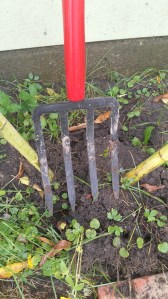
20141004_103339

It did not surprise me at all to see that these mammoth sunflowers had mammoth root systems.

20141004_103831

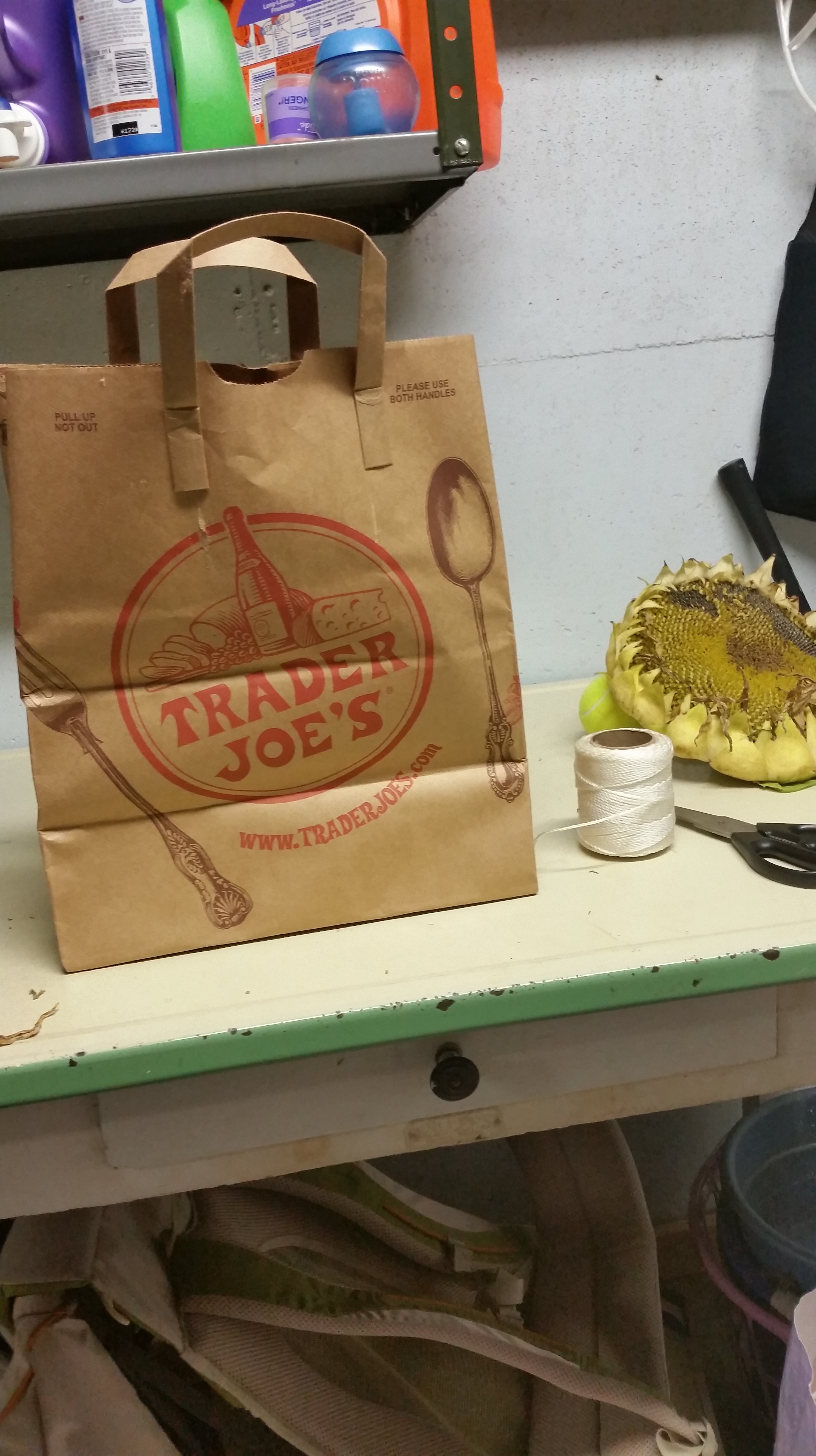
So, after I cut them down, I took them inside to my basement where I went to work on drying them out. Using my great grandmother’s antique enamel top table as a work space, I started the process of drying these great beauties.
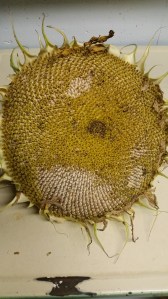
20141005_144431

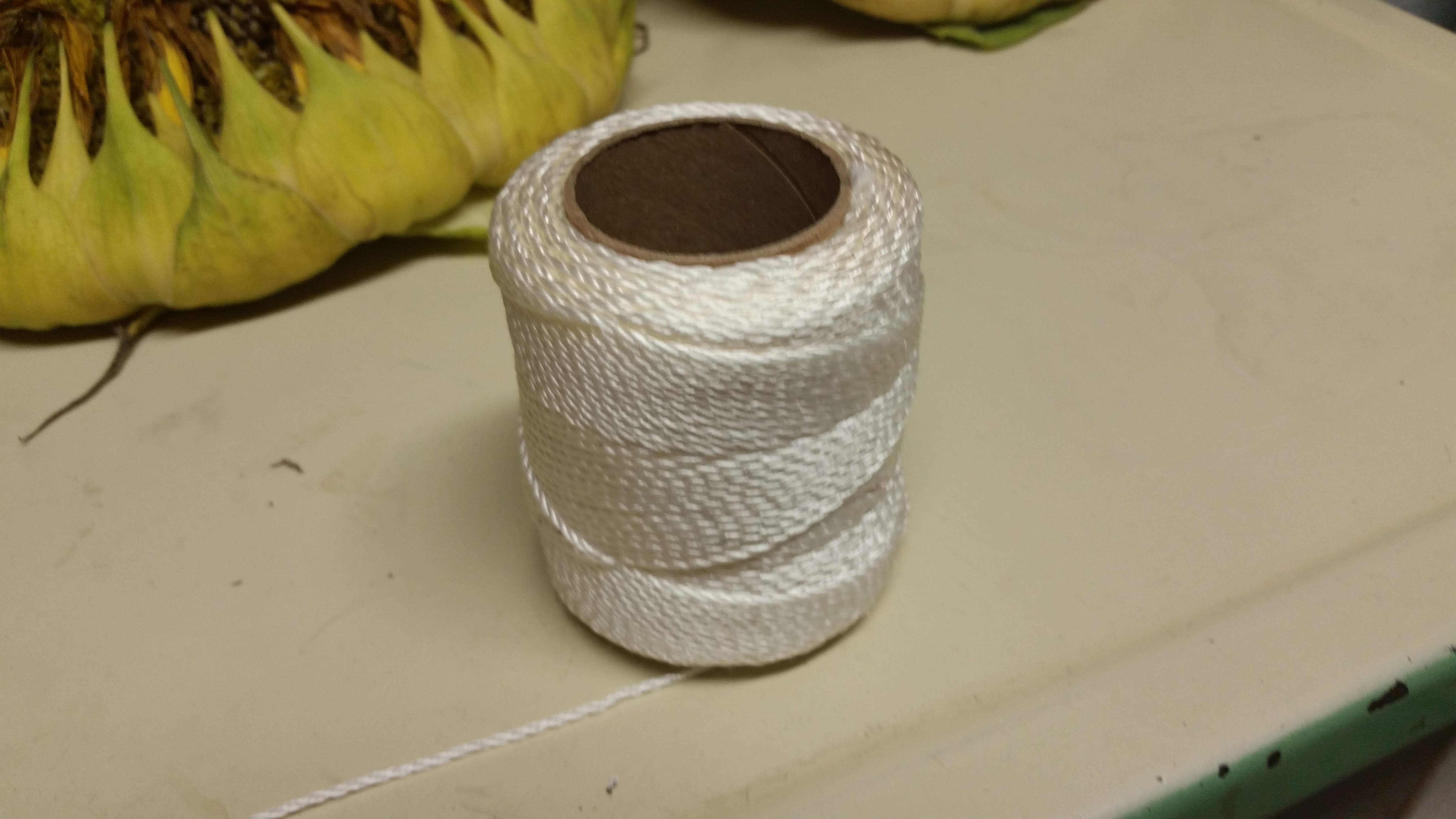
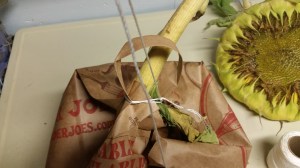
The heads on these babies are so big, I am using paper grocery bags to cover them up. Paper bags are used to catch the seeds as they fall out when they are completely dry, and also to allow the flower head to breath during the drying process. You will also need some string and a pair of scissors.

20141005_145405                  20141005_144801

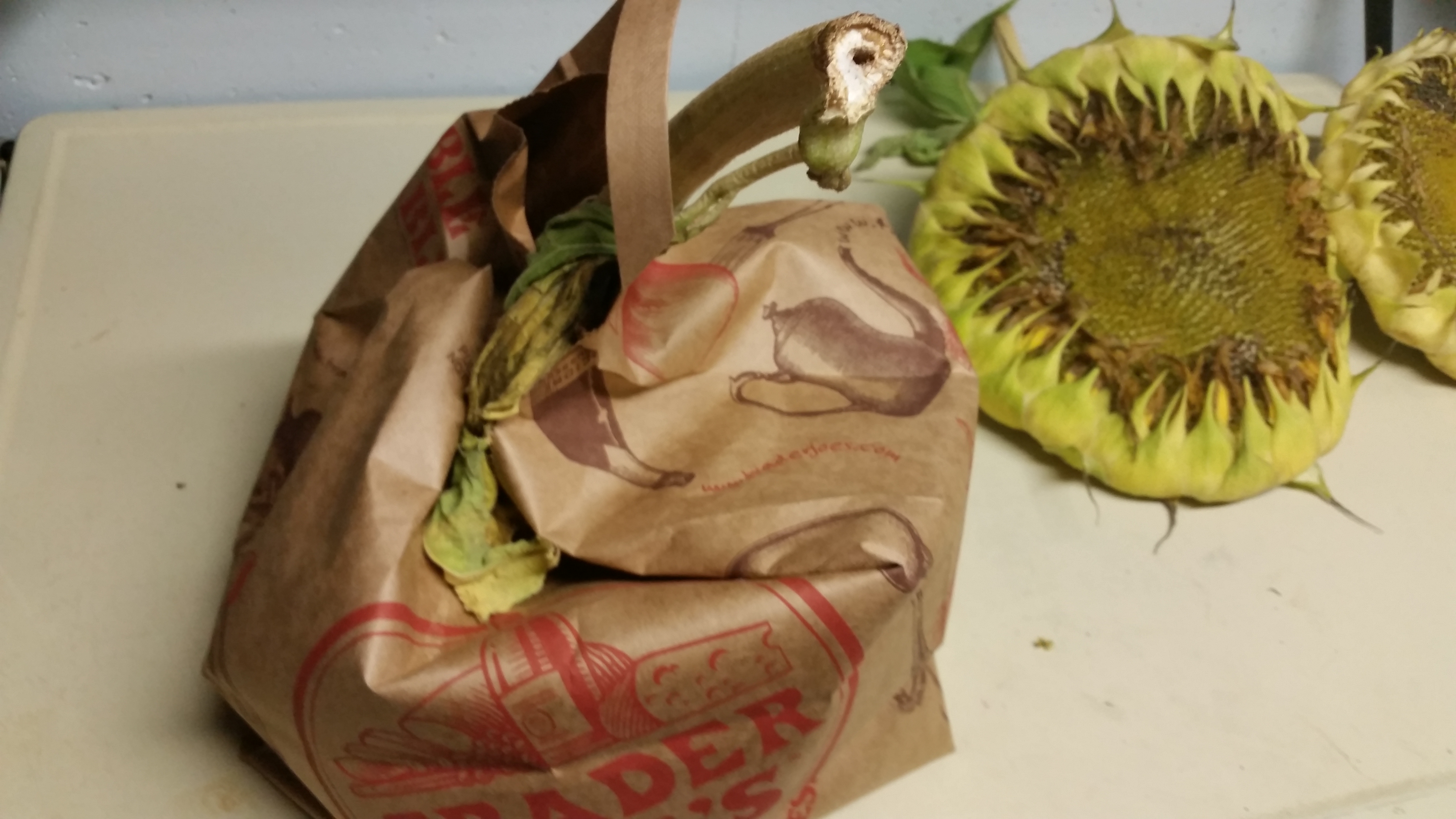
Place the sunflower in the paper bag, with the stem sticking out.

20141005_144702

Take a good length of string, and place it around the base of the sunflower and grocery bag.
20141005_144752

You can then hang it up anywhere that you have a space to in your basement, or any other part of your house, and let it dry out thoroughly. You will know when it is dried out when the sunflower head is completely brown, and the seeds are falling out on their own. This should take a few days or longer, depending on how far along the sunflower was in the drying process on the stem when the heads were cut. The natural drying process on the stem begins when they start drooping over and the backside of the head begins turning a deep yellow.

Once you have harvested the seeds, you can save them to plant next year, give as gifts, bake them to have as a healthy treat, or just let the birds have the seeds– birds LOVE sunflower seeds. They happen to be highly nutritious for them as well!

Sunflowers are a great plant to consider in your garden. The seeds are inexpensive and they are extremely low maintenance. Sunflowers make people happy, and are a wonderful addition to your landscaping. Just when you thought summer was over, you can still have a little piece of it when you take the time to harvest these fantastic flowers!

Toddling through Gardening

The weather could not get any better here in Buffalo, and we Western New Yorkers are taking full advantage of the near 80 degree temps we are having this first weekend of Fall.

Beautiful Fall day on the Erie Canal.

Beautiful Fall day on the Erie Canal.

As my three year-old takes her afternoon nap, I thought I would take the opportunity to get some work done. I put away my garden decorations that I had out, and also started writing this post. As a mother in her thirties (and that’s still hard for me to swallow– when did I get old!?), I have to prioritize EVERYTHING in order to make sure things get done. Including, my gardening. I know most people my age with kids couldn’t fathom spending much more time in their backyards than simply mowing their yards. I get it. Really. So when my daughter finally starts school, I will again have to prioritize my gardening duties based on the activities she chooses to take part in. That’s ok– that’s what it is all about. No matter what you have going on in your busy life, you can achieve gardening greatness one step at a time.

So, how do you exactly maintain your home landscape with a toddler? Well, like parenthood, the answer is not simple. With the right amount of prioritizing and support, it is possible.

This is how you can do it, every stage of your little one(s) young lives:

  • Newborn — Infants are a lot of work and a lot of time. So, don’t worry about elaborate flower beds at this stage. The most you should worry about at this point is purchasing some annuals and planting them in small flower beds while your little one naps. Or, have a family member or friend watch your little one while you get a most needed break and some “me” time in your flower beds. All you have to do is water and weed a little.
  • One year old/two year old — At this point, you aren’t as tired out as you were when they were newborns, but your time is still just as valuable now as it was then. You will have a little more freedom now that they are walking around and like to be outside (hopefully), but you still really can’t concentrate on doing anything because you are worried your toddler is going to get into things that he/she shouldn’t be. You will still be relying heavily on nap times and have someone such as your spouse/partner to look after your toddler while you start really doing what you want to do in your yard.
  • Three year old — it is definitely much easier to do things at this stage. As they quickly grow out of that “toddler” stage, you can start really getting into your gardening. At this point, I have included my daughter into my gardening world, pointing out flowers, telling her the names of various plants. She even “helps” me dig by using my trowel, and waters flowers by using the little Minnie Mouse watering can I purchased for her. It’s a great time to bond with your child and get them to appreciate nature and all its beauty.
    My daughter helping me water my lamb's ears.

    My daughter helping me            water my lamb’s ears.

    So yes, it is a challenge, but is not impossible to maintain and grow your home gardens with a little one. Once you find a routine that works for you, things will fall into place, one little “toddling” step at a time.

Seed Me, Please!

Yet another week has passed, and we have been fortunate enough to have some nice warm, yet windy weather here in Buffalo the last few days. I have been concentrating on a couple of projects in regards to my gardens this week, and one of them is the one I will be talking about in this post– harvesting the seeds from plants that I have in my garden. I am still waiting for my sunflowers to mature and dry out, but that will be a whole other post coming up soon. I have also been working on a fall decoration project that has something to do with one of my favorite plants to work with this time of year– the cattail. Since I love doing things outdoors, you will notice that I like to blend my love of outdoor adventure with my gardening endeavors (my toddler daughter will make her cameo as well)! Stay tuned for some pretty interesting stories!
20140914_174214

Yes, that’s my little kitty’s paw on the far right. He’s very nosy!
Now, time to get back on the subject of seeds. And bulbs. And everything that makes this time of year very important for the beginner/frugal gardener. I am harvesting my seeds because I would like to give them out to friends and family as Christmas gifts this year. But also, I am harvesting some of my annual seeds so I don’t have to purchase them next year! This past week, after I got home from work, I spent some time in my backyard pulling the dried out seeds from some of my favorite plants in my yard. It’s very important that when you do harvest seeds, make sure that they are COMPLETELY dried out. That ensures that your seeds are healthy, and won’t be prone to mold if they are not all the way dried out. I noticed I pulled off what I thought were dried coneflower seeds to find out that when I put them in the plastic baggy I was storing them in, there was a bit of moisture in the bag. So, I disposed of them and I am now waiting for the other seeds to be completely dried out.

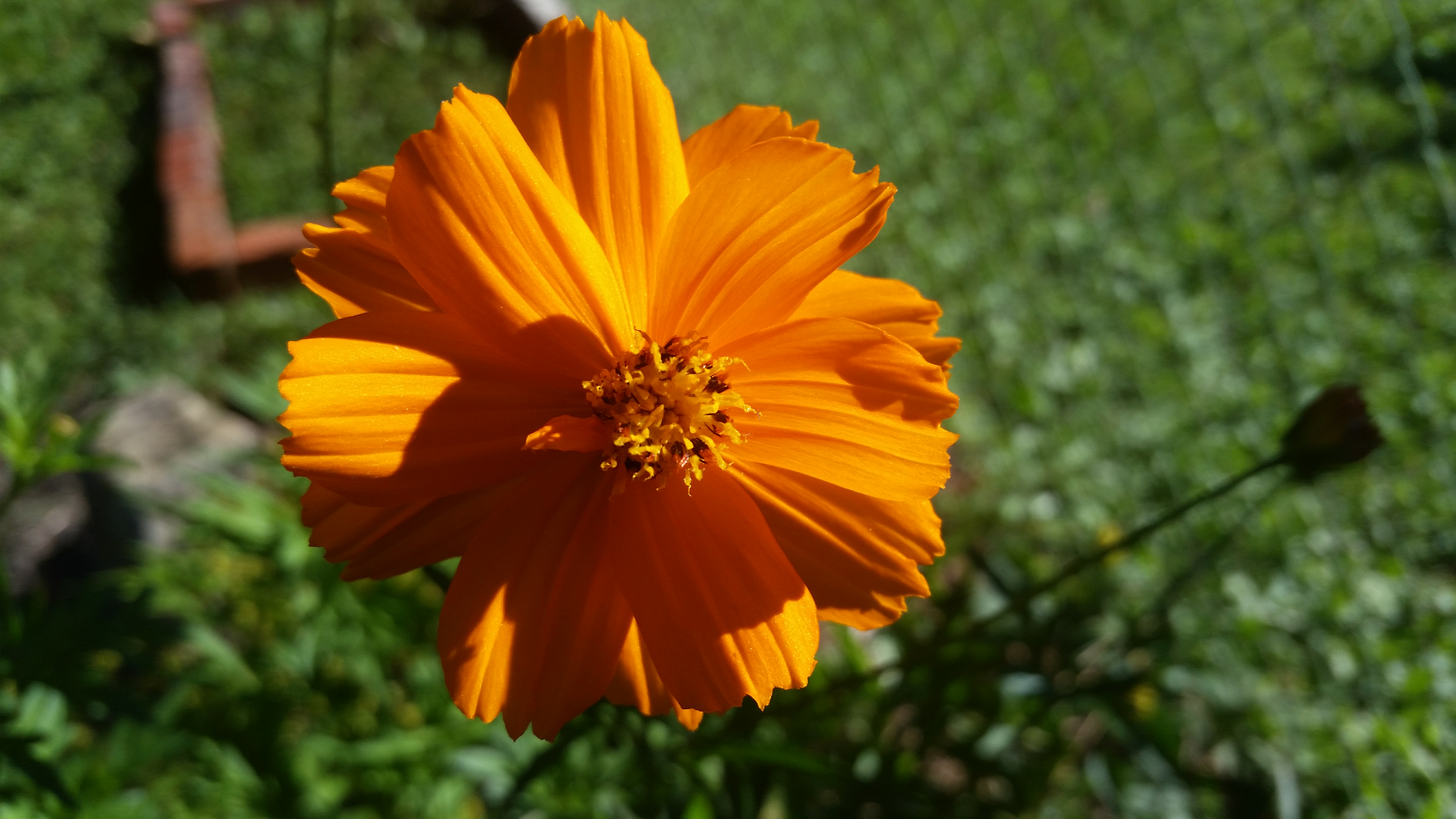
The flower that I have that was the best example of actually demonstrating harvesting seeds is the Cosmos flower. It’s a big, bushy flower that can be perennial or annual, and I am still trying to do my research to find out what exactly my cosmos really is.

20140715_175409

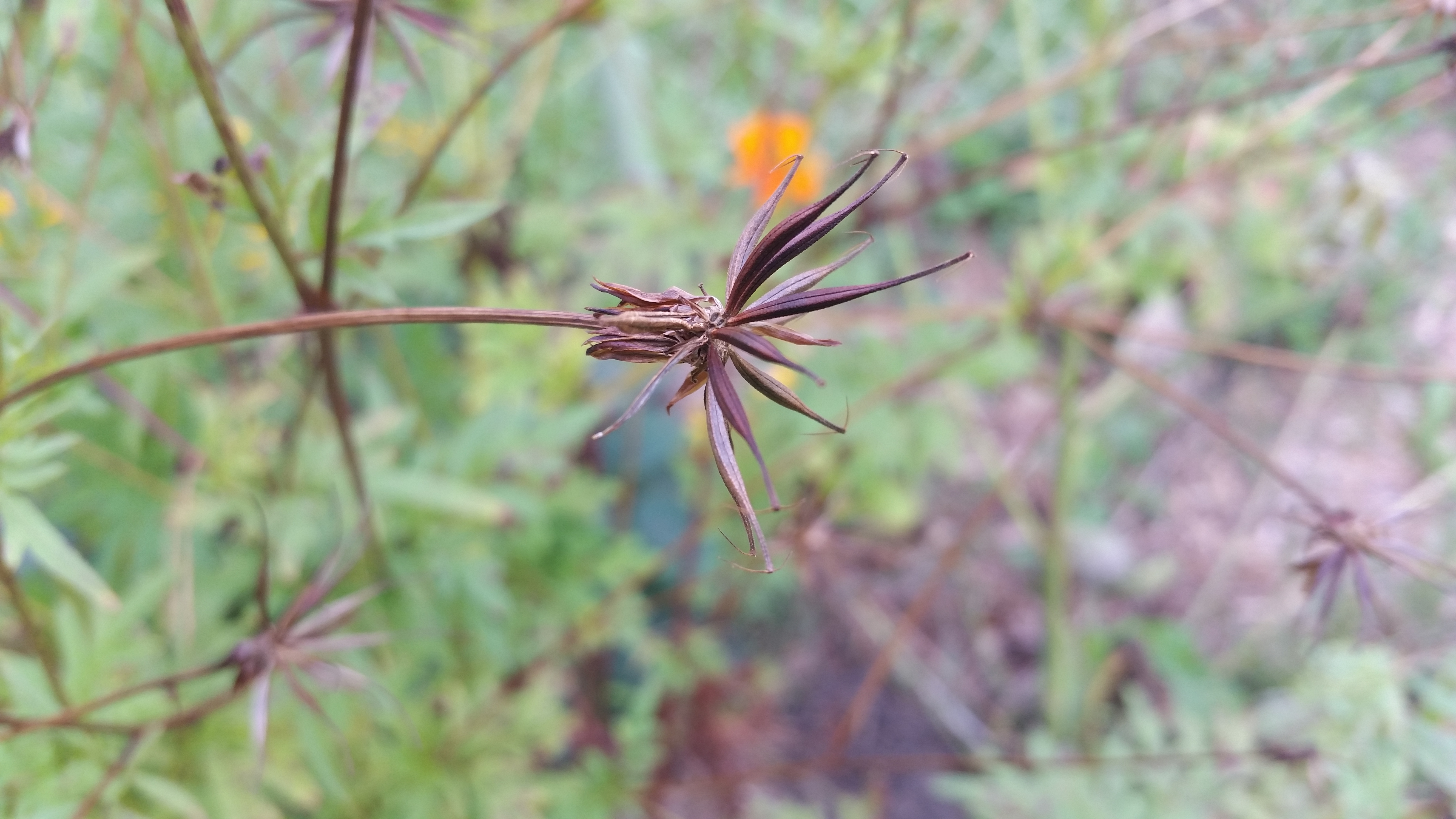
Now, here’s the Cosmos flower with just its dried seeds left:

20140920_104609

I simply plucked off the seeds and put them in a small bag. I have mine in a plastic bag for now, but will put them in paper bags once I am done harvesting because paper bags allow the seeds to breathe and not get moldy.

20140920_104655               20140920_104555

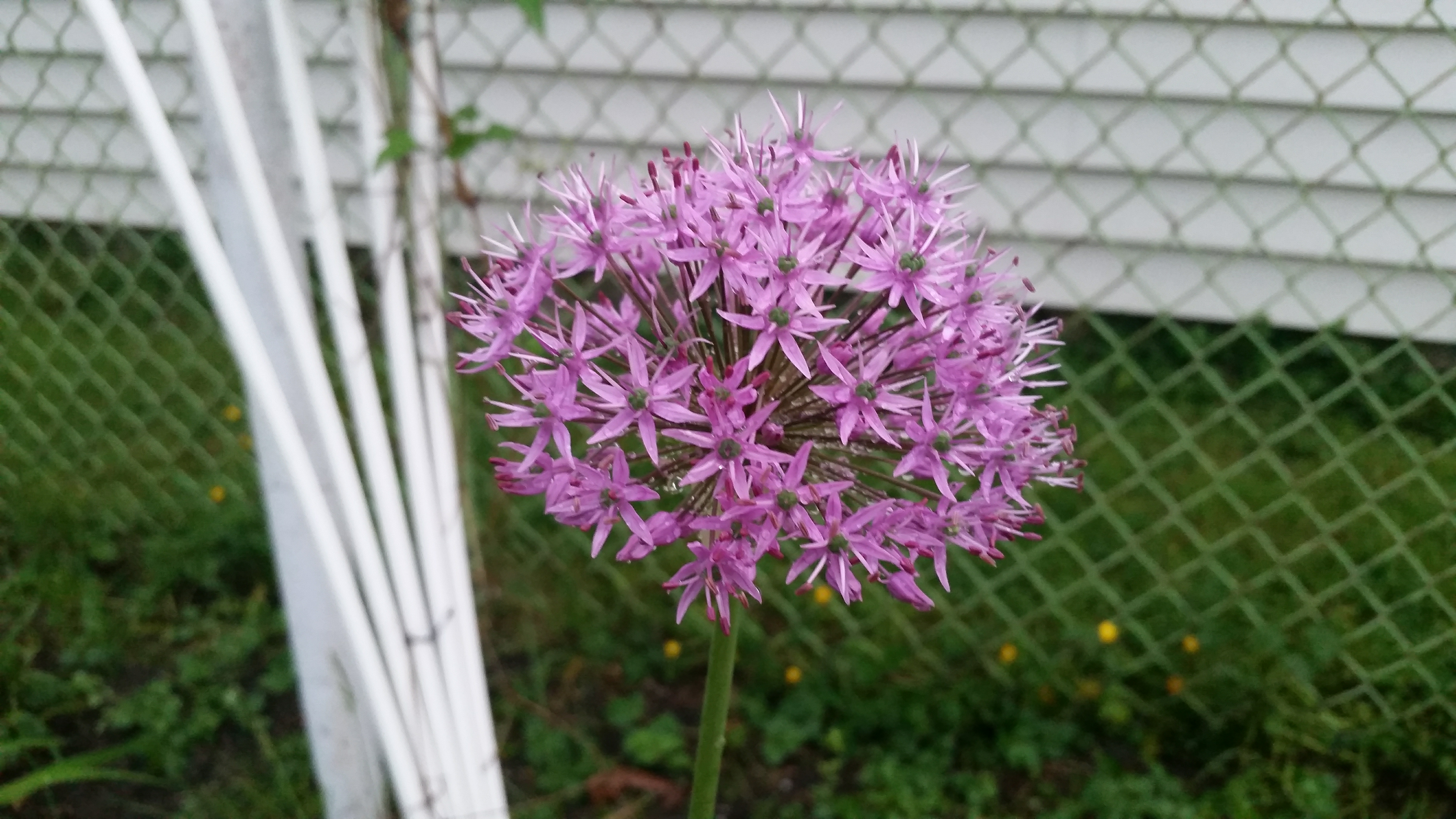
I also made my way over the my local nursery and purchased bulbs of some of my favorite spring flowers, the Allium. I didn’t plant nearly enough last year, so my fall project this year was to plant many of these spectacular looking flowers that look like puff balls.

20140527_203302

So, much to my delight, I purchased 35 bulbs of two different kinds of Alliums, and I can’t wait to start expanding my garden to add these beauties to it!

20140920_163625

If you can get 25 bulbs for $5.99, that’s a pretty good deal, and in the long run, it’s much cheaper than buying a plant. Seeds are an even better way of saving money. If you keep harvesting them year after year, you won’t ever have to buy anything again, unless you want something different, of course. With just a little time and money, you will watch your investment “grow” in no time!

Fall into Transplanting

Yet another week has gone by, and yet again we are just a little over a week away from the Fall season officially kicking in. I don’t know about you, but the transition from Summer to Fall is far more distinct to me than any of the other seasonal changeovers. As ironic as it is, Fall settles in, for some reason, I always think it’s time for me to start thinking of changing things up, setting new goals, starting fresh in life. The can also be said for one’s garden. Another growing season has yet passed, and I am anxious to begin work on next’s year’s garden! You don’t need a lot of tools at first.

A shovel and a few basics will help you with planting and transplanting in your garden:

  1. Trowel– the namesake of this blog. This is a small digging tool that works best when you are putting in flowers or plants in a bed that is already established. I often use the trowel to put any annuals or small perennials I plant.

garden 1

2. Cultivator– is yet another hand tool with three prongs that is used to loosen the earth if the soil you are intending on planting in needs to to turned up to allow for planting. Cultivators come in many sizes, but the hand cultivator is the best suitable for small planting bed jobs.

garden 3

3. Garden Hoe– a larger, but bigger cultivating tool that allows you to turn up the soil in your flowers beds that is used to get rid of any stray weeds that might be making their way into the garden. Very simple, and has been used for centuries as a type of cultivator.

garden 4

And, if you are like me, you also like to make new beds, so digging into a part of your yard “cold turkey” calls for something much bigger and sturdier to get the job done. And of course, that is your basic shovel. Shovels are great for planting small trees, woody shrubs, and just planting anything in a place in your yard that has not been turned up and prepared for planting.

If you plan on doing some major landscaping, I recommend getting a tiller— which is more or less a gas powered cultivator that can turn up a vast amount of area in a relatively small amount of time. Small versions of a tiller start at around $250. But usually you are well into being an established gardener when you decide to purchase one of these. You can also rent one if you don’t have that type of cash to spend on lawn equipment.

It may take a few growing seasons before you understand the reasoning behind transplanting. Maybe the garden you started has a few things that aren’t growing to their fullest potential in one area, so you are going to try another spot to see if they do better. Or, you are focusing on garden aesthetics and realize that you don’t like your clematis right next to a new lilac. These are just a few examples of what transplanting can do. Transplanting transforms the look of your landscape, and is important in creating harmony for you and your growing space.