Dig In To Some Great Fall Planting

Today was such a beautiful day, and it almost didn’t happen. Meaning, I had two big hurdles that I had to jump over to get any work in my garden done– 1. The Buffalo Bills-New England Patriots game was on. 2. My daughter came down with a cold yesterday. So, I did everything in pieces today.

For me, Fall garden preparation comes in two phases– the first one is planting spring bulbs. Here are some of the more common spring bulbs you will find in your local garden stores that are very affordable and readily available:

  • Crocus
  • Daffodil
  • Tulip
  • Hyacinth
  • Muscari, or Grape Hyacinth
  • Allium

As I mentioned in an earlier post, I went to my local garden store last month, and purchased some fantastic Allium bulbs. I figured I had to take advantage of the nice weather we are having and get these bulbs into the ground now, despite the fact I had a few setbacks.

Before I could plant my 35 new Allium bulbs, I needed my husband to roto-till some more of my yard for me! Unfortunately, I didn’t get a chance to take pictures as I was tending to my toddler who was a little under the weather. But, I did get to take a picture of the extension later on when I finally got a chance to dig in and get planting!

To get started, I needed to gather the tools I was going to be using.
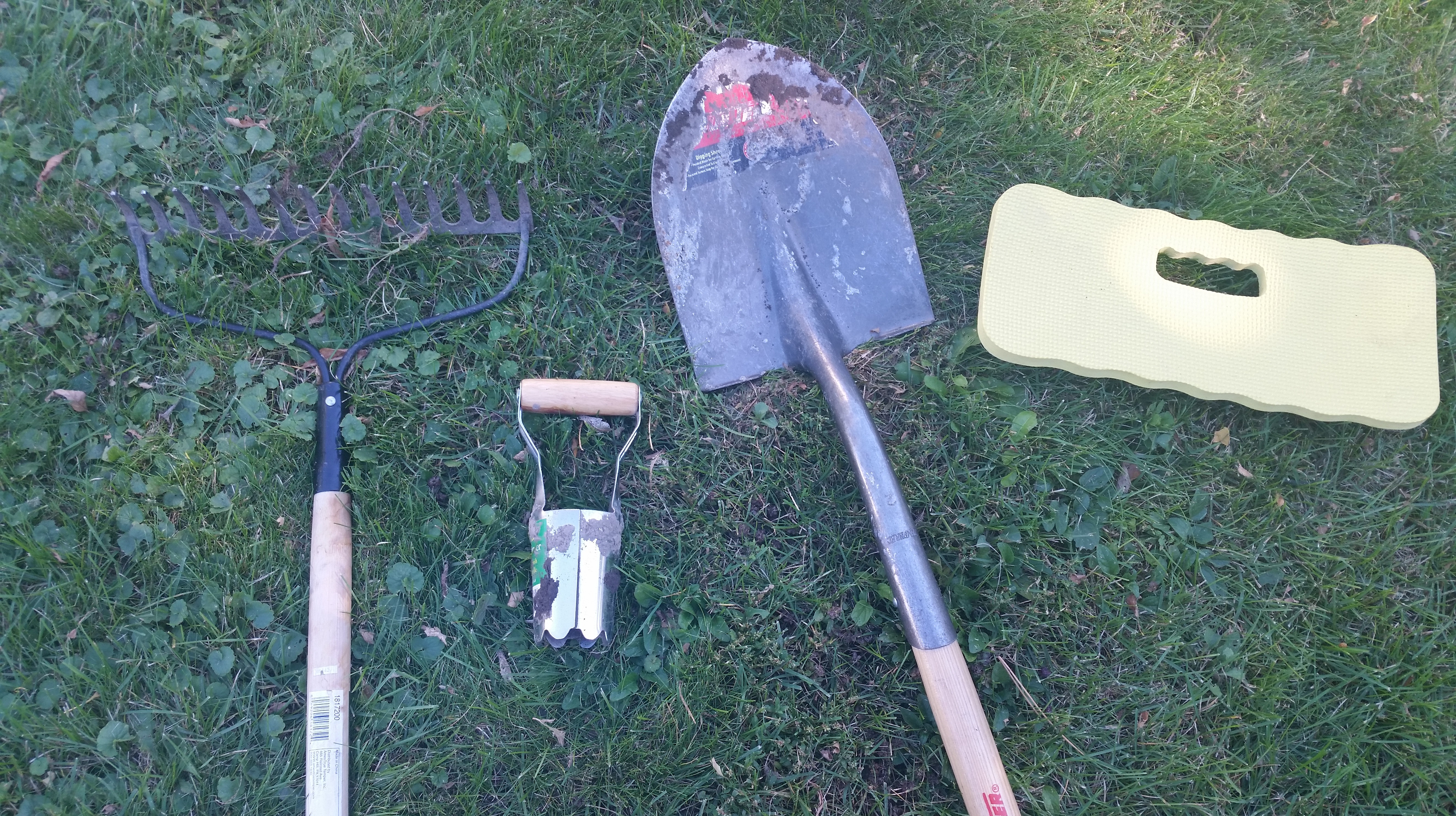
For this garden session, I will be using a bow rake, bulb planter, shovel and knee pad.

For this garden session, I will be using a bow rake, bulb planter, shovel and knee pad.

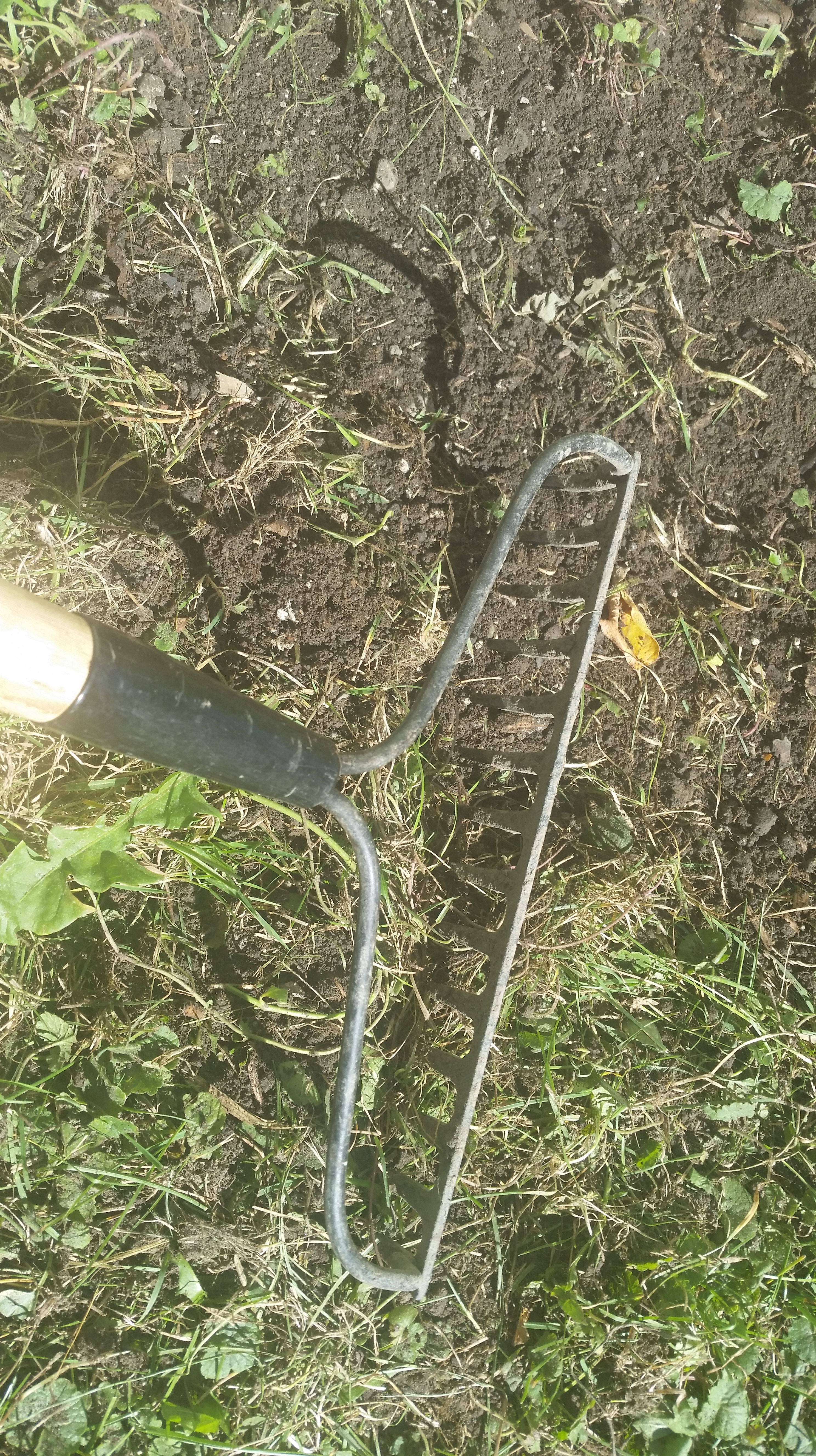
The first one being a bow rake. A bow rake is helps level off or loosen soil. This has 16 “tines”. This is excellent for evening out large mounds of dirt or other uneven surfaces. It’s also good for leveling gravel or mulch, or any other loose items for the garden.
20141012_115126

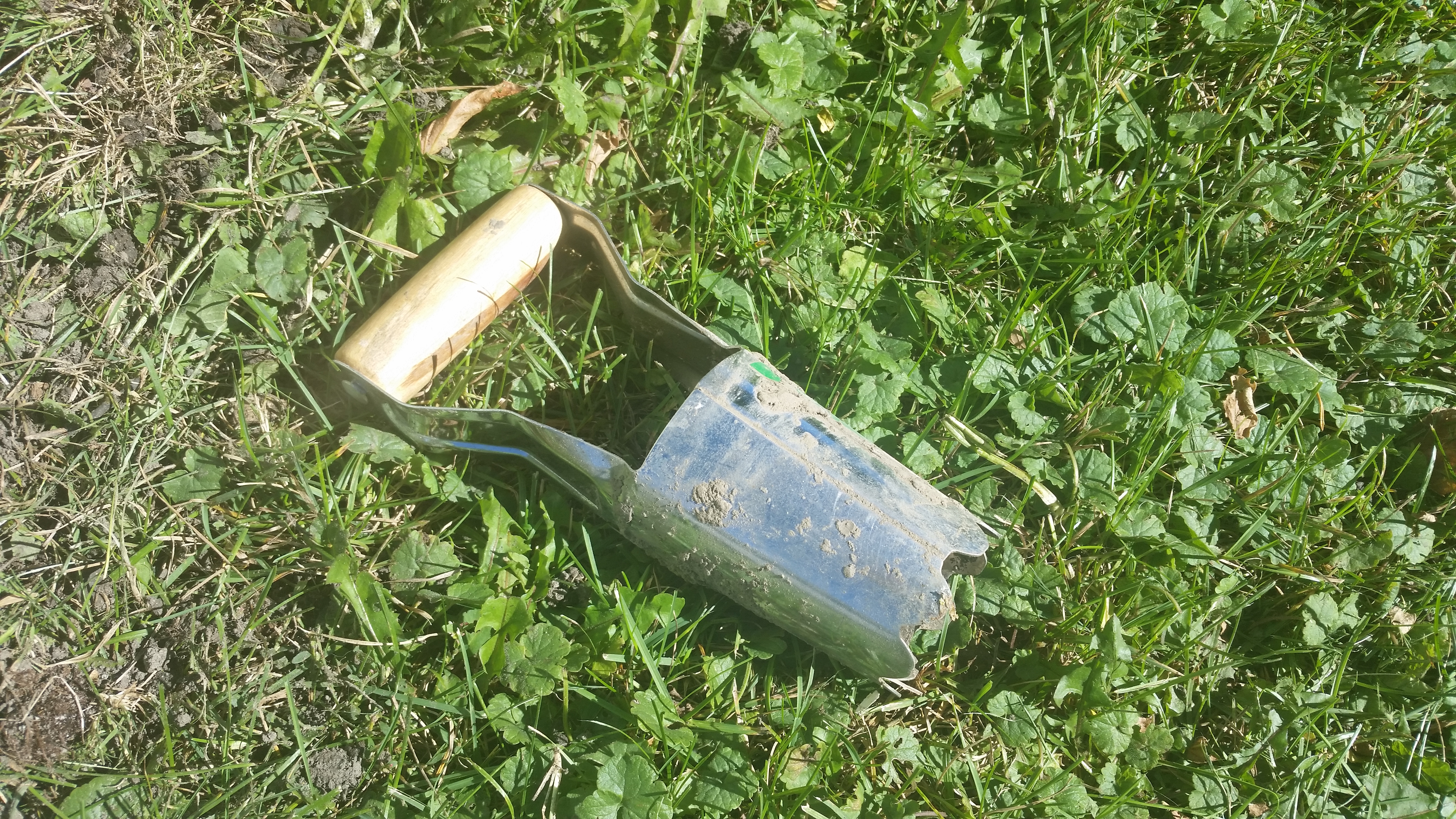
The second one is a bulb planter. This tool comes in handy for the first-time gardener who has never planted bulbs before. You simply push it into the ground until the whole shaft of the planter is completely in the ground, and you will create a hole deep enough to plant a bulb. Now, once you become a pro at bulb planting, you will know that you can dig a whole between 5-6 inches deep if you don’t have a bulb planter handy, because that is the average depth that bulbs are planted.
20141012_115819

Of course, your trusty shovel will come in handy if a part of your yard is too difficult to you use your bulb planter.

And…. a knee pad! The knee pad saves you from much pain, and they are cheap! I purchased mine at a dollar store!

How to Plant Your Bulbs

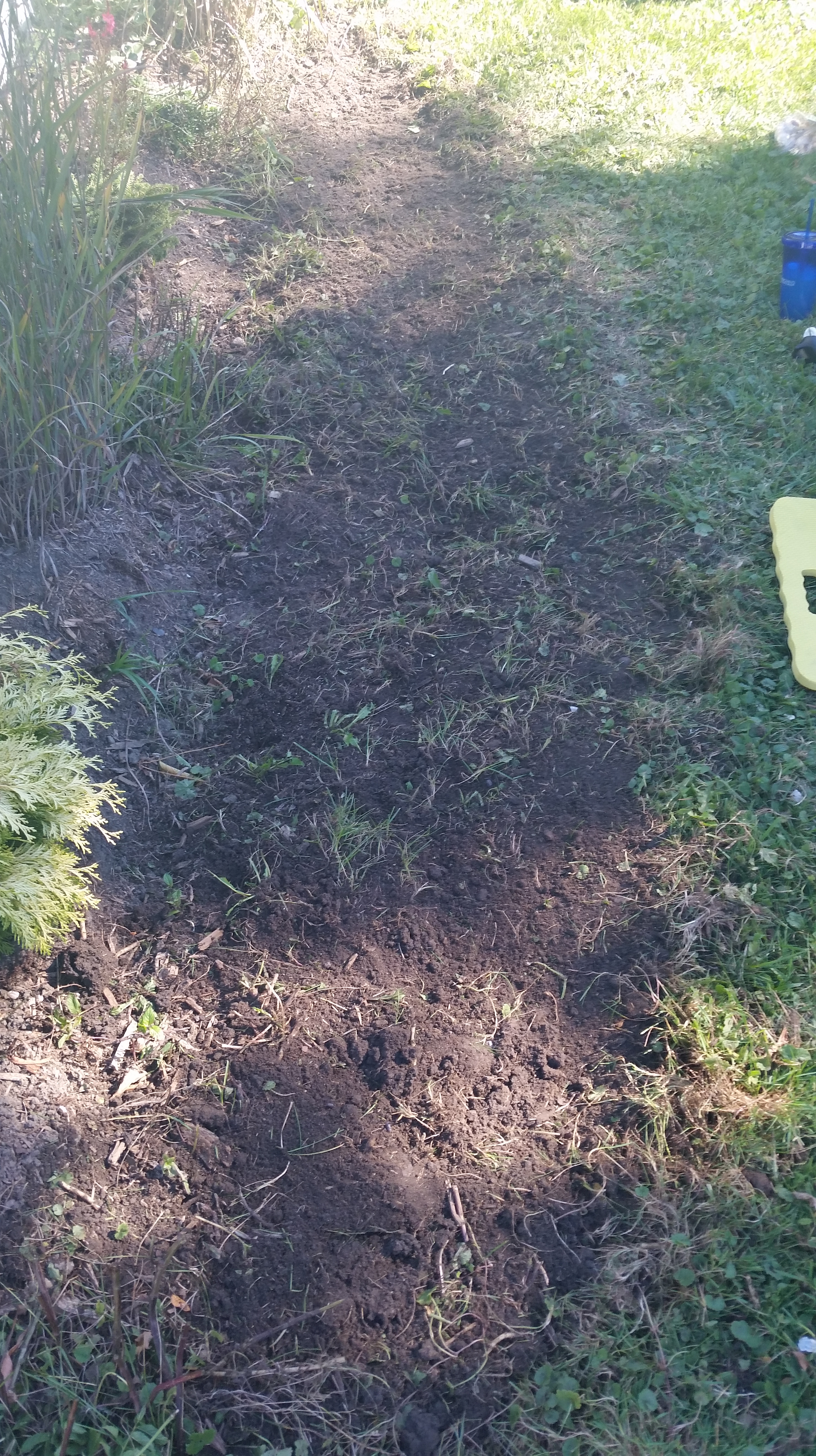
Here is my beautifully newly tilled spot for my Alliums, thanks to my husband:
20141012_122334

I used the bow rake and shovel to remove all the “rubbish” which is the grass that was tilled up along with the soil. I got a whole wheel barrow full!

20141012_115053     20141012_115935

And then I reached for my bulb planter and got to work!

20141012_120301

I simply pushed it into the ground, though you might have to put a little elbow grease into it. My yard has an exceptional amount of tree roots, and I had to use both hands to push this into the ground.

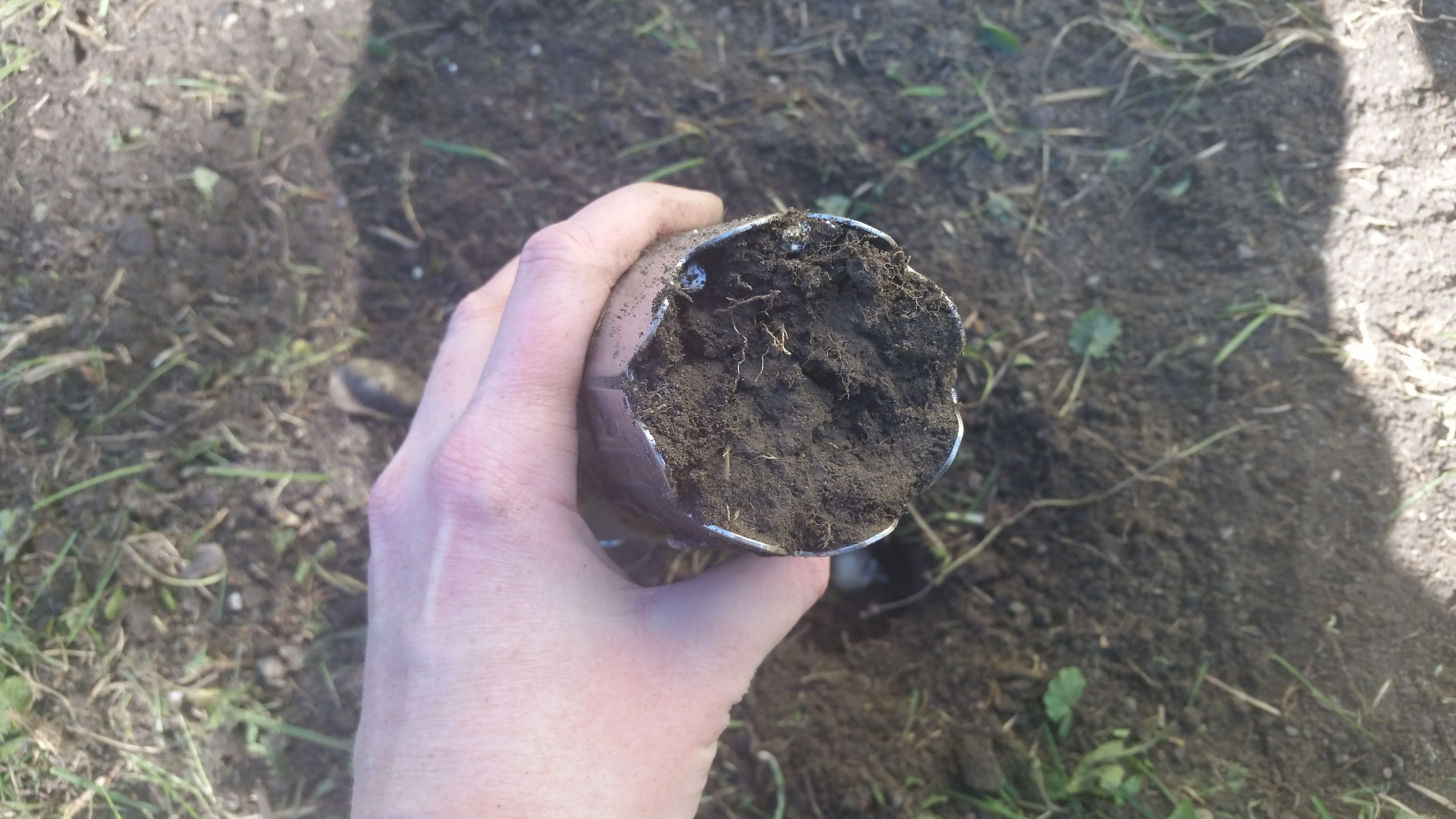
As I pulled the planter out, the center of it is filled with soil. This is what you will use to cover up your bulb with.
20141012_120653

And then you place a bulb in the hole that you dug and cover up the bulb. It’s that easy!

20141012_120638

Keep doing this until you have put all your bulbs in the ground. One good thing to know is that you can keep planting bulbs right up before the ground freezes. I planted bulbs in November last year.

It’s hard work, but you will be glad you did it when Spring comes and you can finally see the fruits of your labor!

Harvesting the Sun

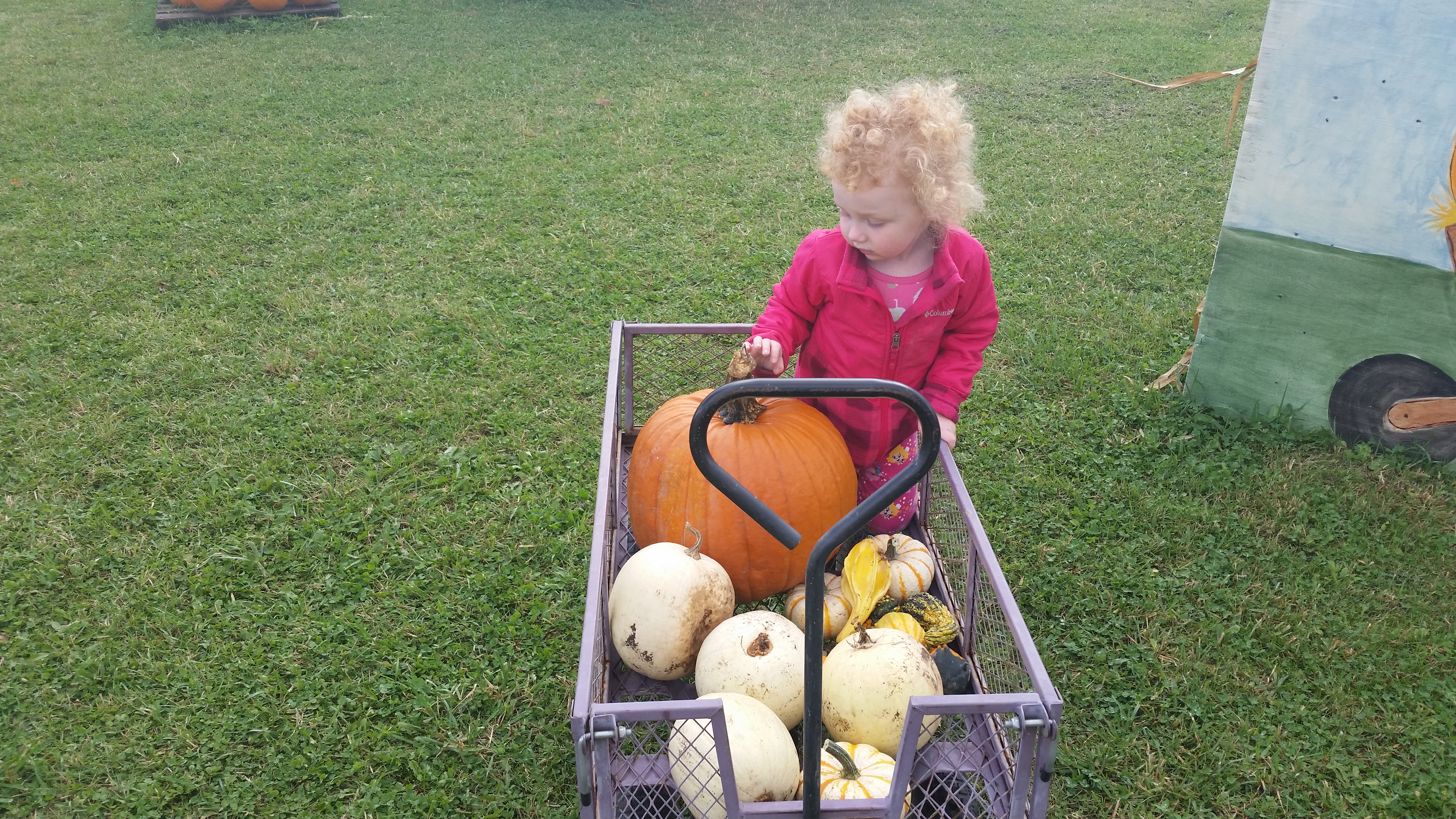
For the most part, this past week was absolutely beautiful. This weekend, not so much. As I type this, I am looking at the lake effect rain (yea, we get that too) from my dining room window that is pouring down in 50 degree weather, shivering as I sip my tea. I shudder to think that right around the corner, snow will be falling. I did manage to get some outdoor things done yesterday in between the rain, like taking my daughter to get her pumpkin from a local pumpkin farm.

20141004_121038    20141004_122421

But, for the most part, I was cooped up inside getting indoor things done, like laundry, which included washing two of my down coats. I am preparing myself for the weather to come within the next few weeks. Mother Nature, please give us a least two more weekends of good weather so we can get out on our little fishing boat a few more times!

With that being said, yes, after a rather fabulous September in Buffalo, October has started out not so good. Cold and dreary. Cold rain is the worst. Even though it was cold, I had a project literally fall for me that would keep me feeling happy and sunny through the cold and drizzle.

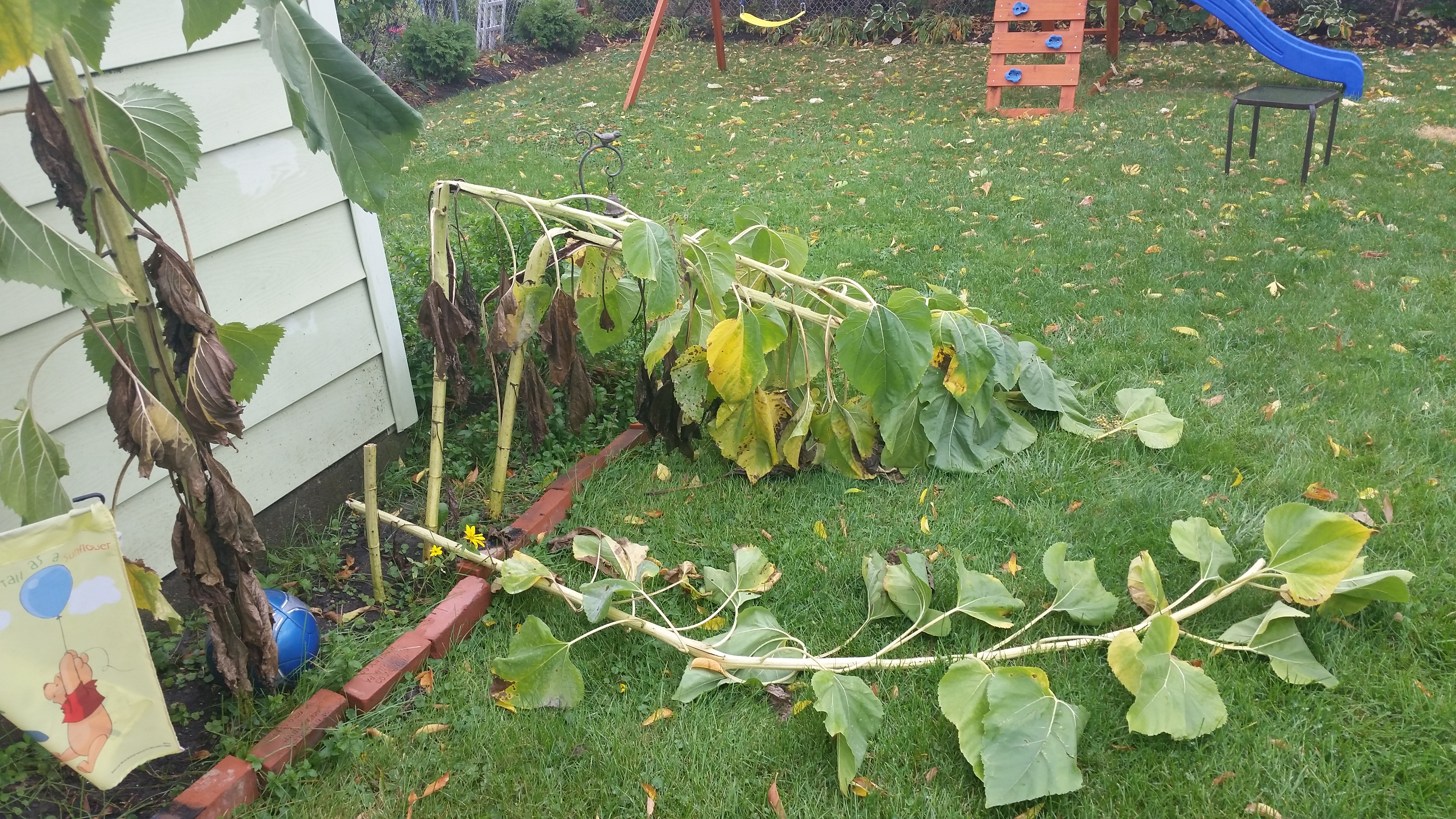
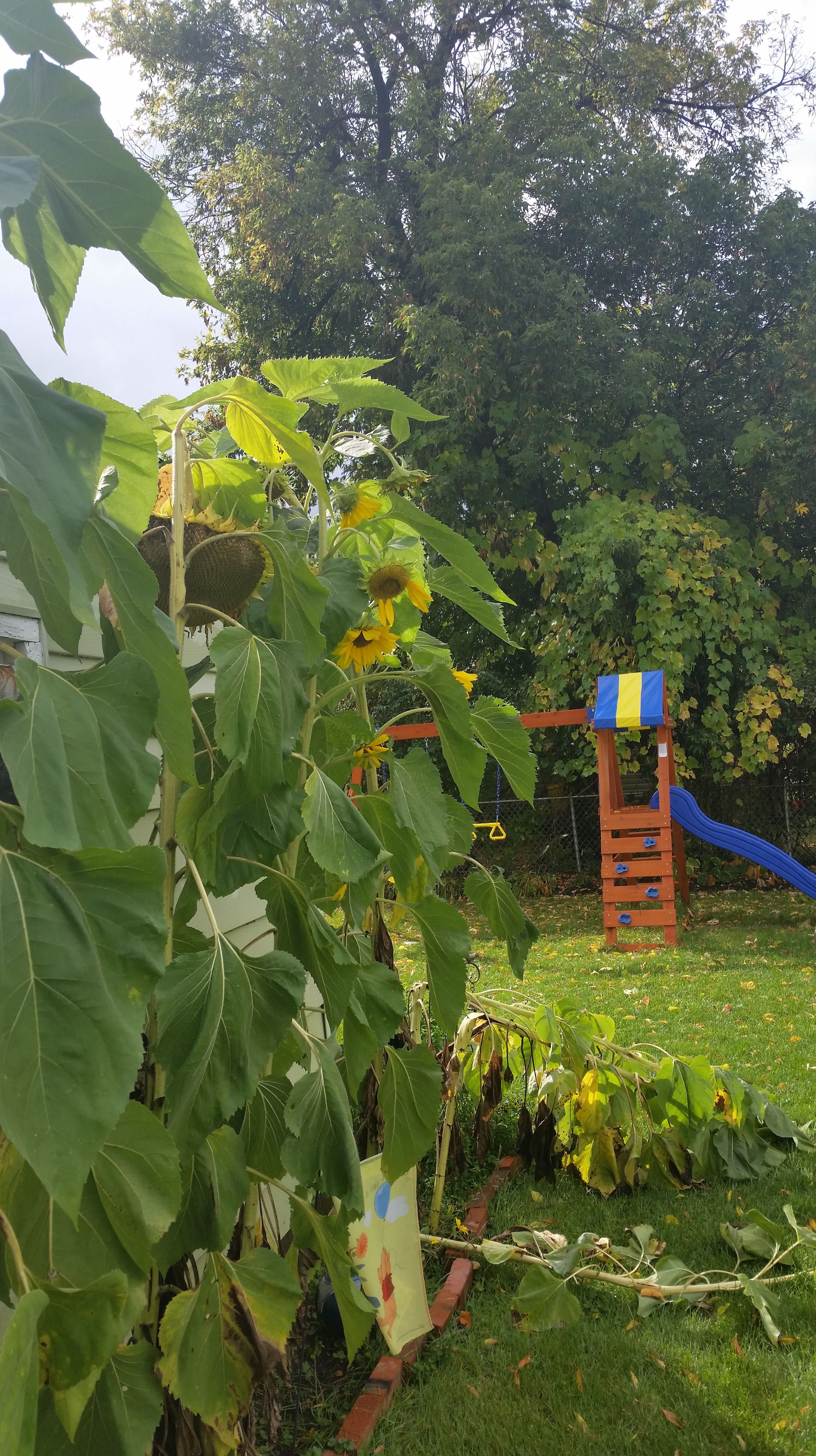
On Friday, as I got home from work, I noticed that a few of my sunflowers I had grown this year, had collapsed under the weight of their heads and fallen to the ground.

20141004_102853

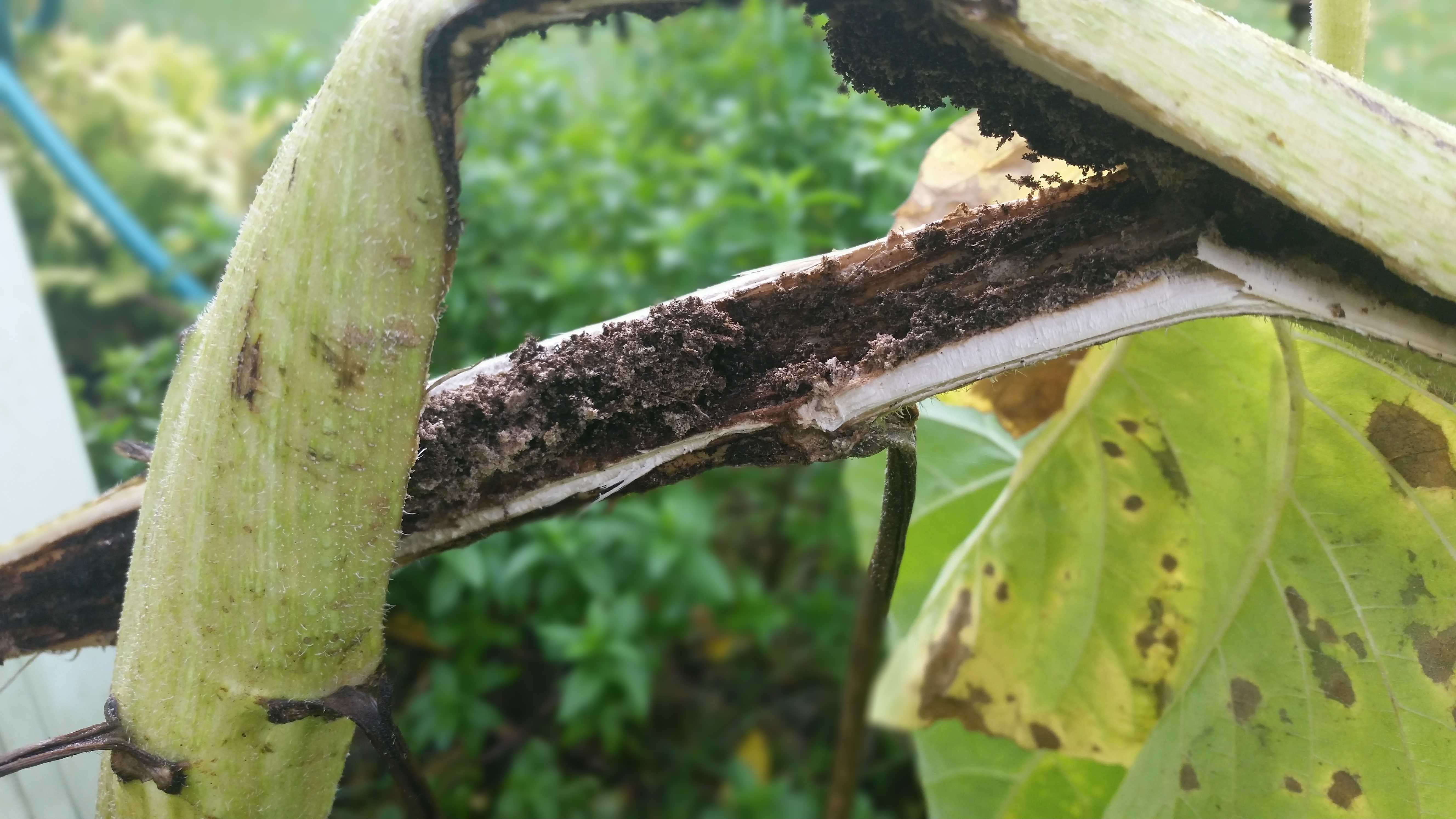
Upon closer inspection, I understood why they did. The inside of their stems rotted out.

20141004_103150

So, instead of waiting a little longer to let them dry out on their own, I had an opportunity to learn how to harvest the ones that fell, not being on the stem.

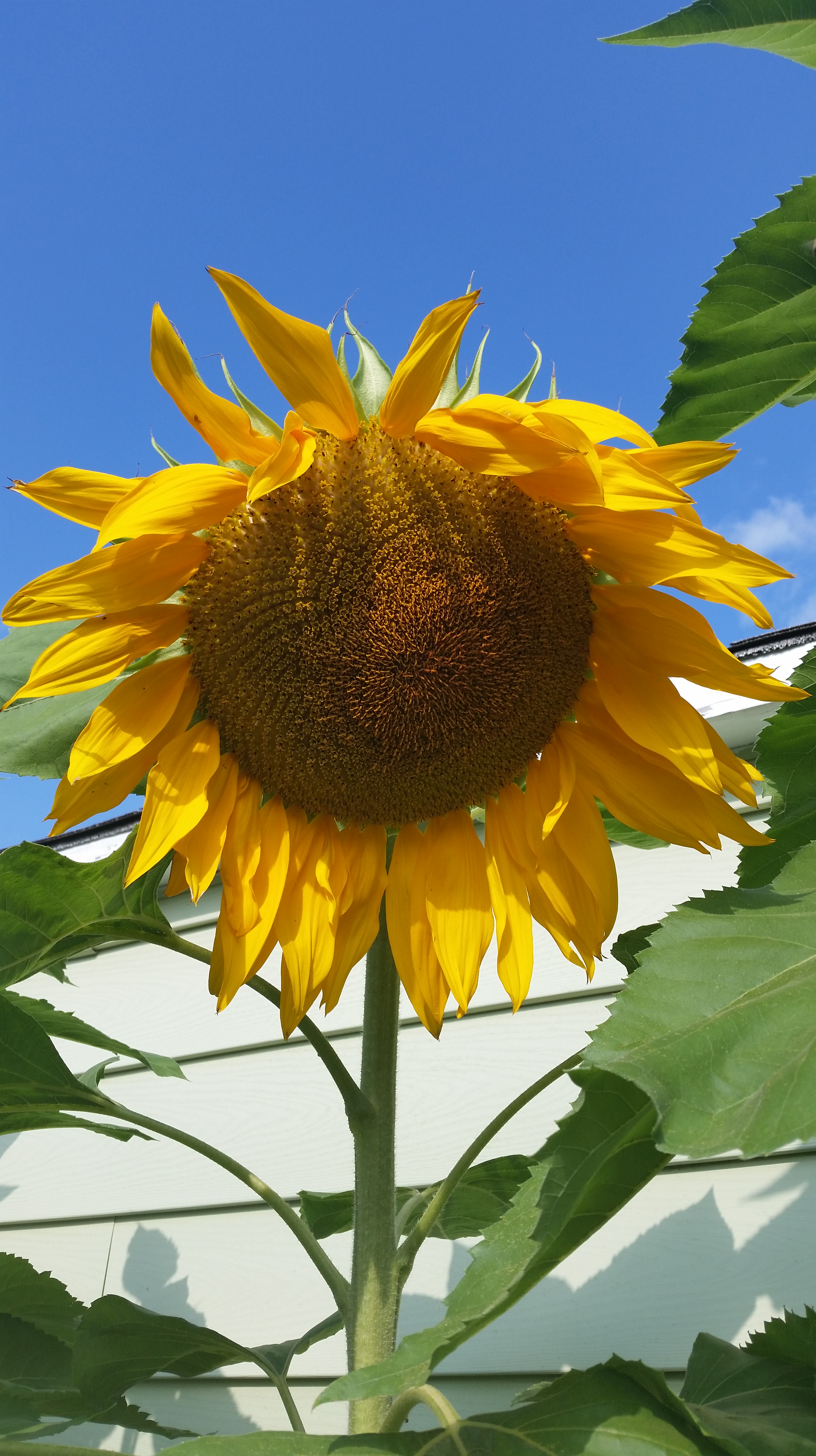
Let’s start from the beginning. Sunflowers are one of the easiest flowers to grow. I purchased a packet of Mammoth Sunflower seeds for under $2.00 last Winter, to get a jump-start on the season. Sunflowers happen to be a favorite of my husband, so I figured they would be perfect for the side of the garage that was not used up yet, and has nothing but full-on sunshine. So, I had my husband use our tiller to till up the dirt on the empty side of the garage. Mammoth Sunflowers happen to be annuals, but there are many different kinds of sunflowers that are perennials as well. They come in all shapes and sizes. But something about the size of the heads on the Mammoths intrigued me to give them a try. And, it was worth it:

After many garden fails, the sunflowers definitely made up for other disappointment.

After many garden fails, the sunflowers definitely made up for other disappointment.

Fast forward to this past Friday, and my sweet little sunflower patch was finally showing the season was wearing on it.

20141004_103041

So, my next step was to take a nice pair of garden clippers and cut the sunflower heads off, leaving 12 inches of the stem. While it was very cold and rainy, the sun did manage to come out and shine down on my lovely, half-dried sunflower heads.

20141004_104323

I wanted to remove the roots from my little patch after I cut down the sunflowers so I could be free of any “root rubbish” before the next growing season. Knowing that all of these sunflowers were at least 10 feet tall ( I had one that was 15 feet!), it was not going to be easy to get to the root of this stem. No hand cultivator would do, so I had to get out another one of my most coveted garden tools, the garden fork. The garden fork has four “tines” that help aerate and turn up the earth. I find this works the best when you are transplanting or digging up big, massive plants that have complex root systems.

20141004_103339

It did not surprise me at all to see that these mammoth sunflowers had mammoth root systems.

20141004_103831

So, after I cut them down, I took them inside to my basement where I went to work on drying them out. Using my great grandmother’s antique enamel top table as a work space, I started the process of drying these great beauties.

20141005_144431

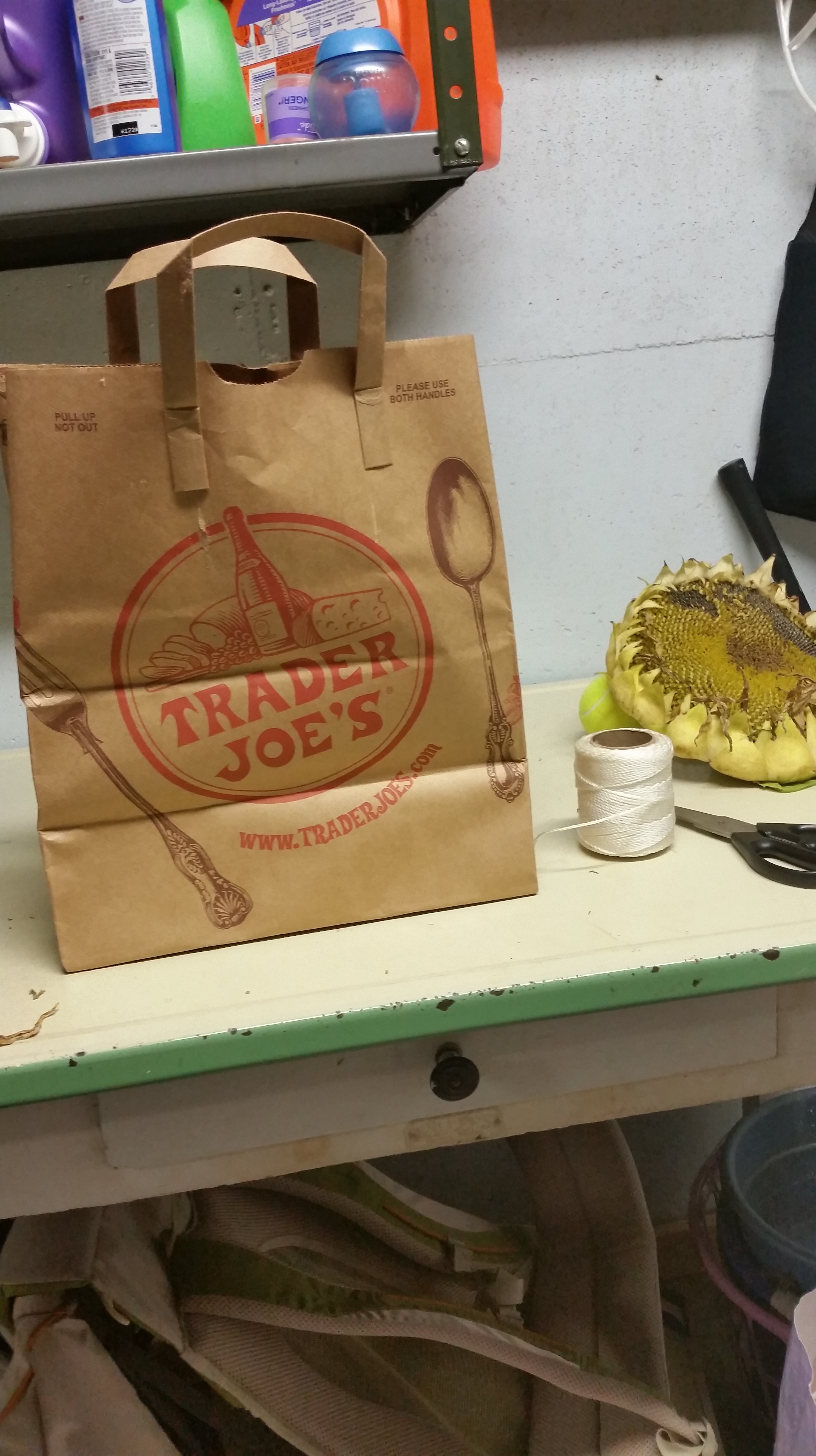
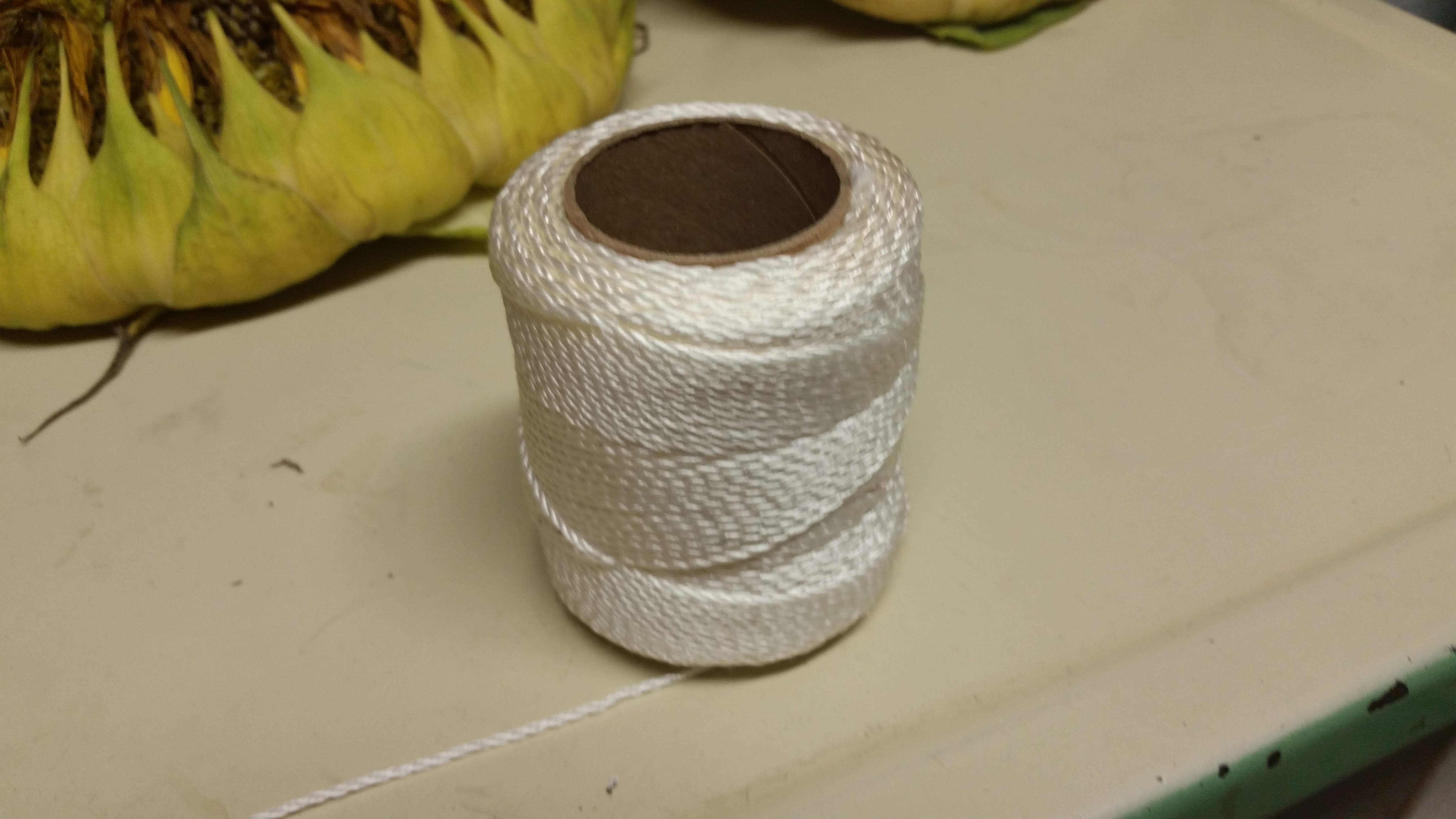
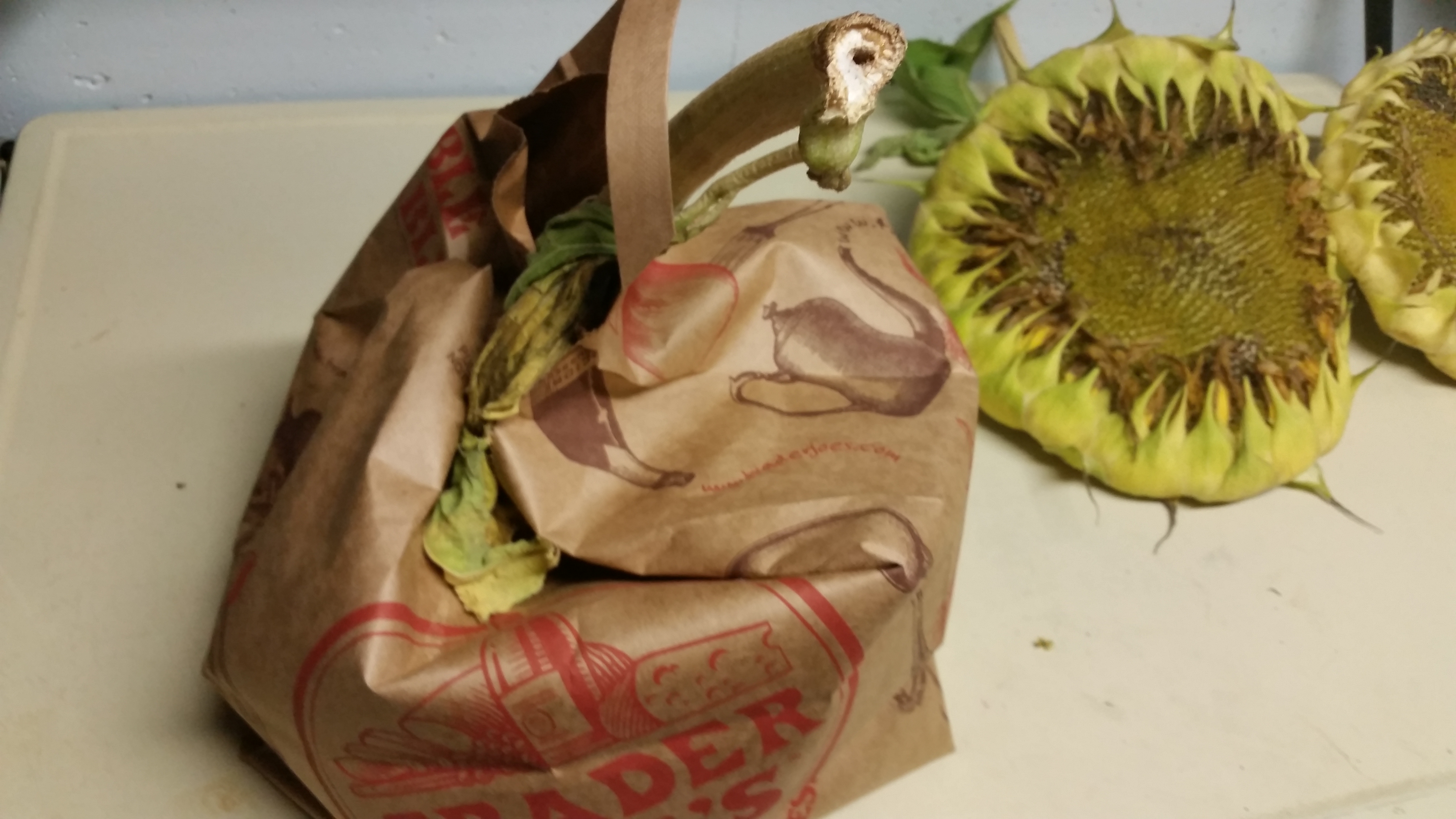
The heads on these babies are so big, I am using paper grocery bags to cover them up. Paper bags are used to catch the seeds as they fall out when they are completely dry, and also to allow the flower head to breath during the drying process. You will also need some string and a pair of scissors.

20141005_145405                  20141005_144801

Place the sunflower in the paper bag, with the stem sticking out.

20141005_144702

Take a good length of string, and place it around the base of the sunflower and grocery bag.

20141005_144752

You can then hang it up anywhere that you have a space to in your basement, or any other part of your house, and let it dry out thoroughly. You will know when it is dried out when the sunflower head is completely brown, and the seeds are falling out on their own. This should take a few days or longer, depending on how far along the sunflower was in the drying process on the stem when the heads were cut. The natural drying process on the stem begins when they start drooping over and the backside of the head begins turning a deep yellow.

Once you have harvested the seeds, you can save them to plant next year, give as gifts, bake them to have as a healthy treat, or just let the birds have the seeds– birds LOVE sunflower seeds. They happen to be highly nutritious for them as well!

Sunflowers are a great plant to consider in your garden. The seeds are inexpensive and they are extremely low maintenance. Sunflowers make people happy, and are a wonderful addition to your landscaping. Just when you thought summer was over, you can still have a little piece of it when you take the time to harvest these fantastic flowers!