Beginners Guide to the Cutting Garden

How interesting it is that my first blog post since July would be on my 3 year blogging anniversary!! So, thank you to all of my followers and fellow bloggers who take time out read my blog posts– I really appreciate it!

This summer was wonderful for me and my family. August was filled to the brim with activity, which led to the void of blog writing for the month. I feel bad that I let it go like I did, because I have made it a habit to post at least once a month.

None the less, I am back, and now that fall is nearing, and school is back in session, it’s time to get back to routine. So, blogging, here I come!

I have mentioned in previous posts my desire to start a cutting garden. I purchased several different seeds and hoped for the best. I think this was a great start to a beginning cutting garden, and I would like to pass this along to anyone else who is thinking of doing the same some time.

A couple of things to remember:

-It’s all trial and error. That’s gardening in a nutshell. Experiment with different seeds and bulbs. See what does well and what doesn’t. It takes a while some times.

-There are some really easy seeds to start with. As I detail below, some seeds you should just buy and plant. It’s that easy.

I planted:

1. Bunny Tails. This is the second year trying these, and no dice. I will try one more time and see what happens. Degree of planting difficulty: MODERATE- they tend to be picky about where they are planted.

2. Zinnias. O.M.G. These were so easy! And beautiful– pinks, oranges and some peach colored ones to boot! I hear they also self-seed, and keep coming back every year. I recommend getting a packet of zinnia seeds should you ever want to start a cutting garden! Degree of planting difficulty: EASY

zinnia

My peachy-keen zinnia!

What came back for me from last year:

3. Cosmos. I think this was in part because last year was so warm for us– we were having 70 degree temps in November– and my cosmos kept going. I didn’t cut them down until this spring. Degree of planting difficulty: EASY

cosmo

4. Morning Glories. These actually surprised me. But, they too, were like the cosmos, and I left the brown stems up until this past spring. Even though they aren’t your typical cutting flower, they were wrapped around my cosmos, so I just lumped them in with them. Degree of planting difficulty: EASY

The bulbs I planted:

5. Dahlia. I was nervous, I have to admit. I planted dahlias a lifetime ago, it seems like, and they did nothing for me. This year, I have had great success, and am reaping the benefits. Dahlias are all over my house. Degree of planting difficulty: EASY

dahlia

*Beginner’s Tip– You will have to stake your dahlias. They are very top-heavy, and they fall over easy. 

*Dahlias are hardy in zones 8-10. If you live outside those zones, you will have to take the bulbs out and store them in a dark, dry place for the winter.

6. Gladiolus. I got these bulbs as a birthday gift from a co-worker, and they did not disappoint. I got beautiful pink and purple stalks that I have been enjoying all summer. I cut a few stems and I was very surprised at how long they lasted! Degree of planting difficulty: EASY

glads

*Gladiolus (“Glads”, as they are commonly referred to), are hardy in zones 8-11. Bulbs, too will have to come out if you are outside those zones. However, I have heard from some fellow gardeners that if you mulch heavily and live in zones 6-7, you can actually keep them in the ground and they will come up again the next year.  

So, I hope this helps you. There are SO many more cutting flowers out there. If anybody has one they recommend, please tell me. I will be expanding next year for sure!
 

Lessons Learned in the Garden – Midsummer Report

Happy summer! It’s hard to believe it’s the end of July– no doubt it’s been a busy one for us. My daughter is at an age where she can do a lot of stuff that she couldn’t before, and we have been taking advantage of it. Life has been busy, and unfortunately blogging has taken a back seat, but I honestly can say that I have been having the time of my life, and as long as I keep getting in a blog post in when I can, I am happy. Family time before all else!

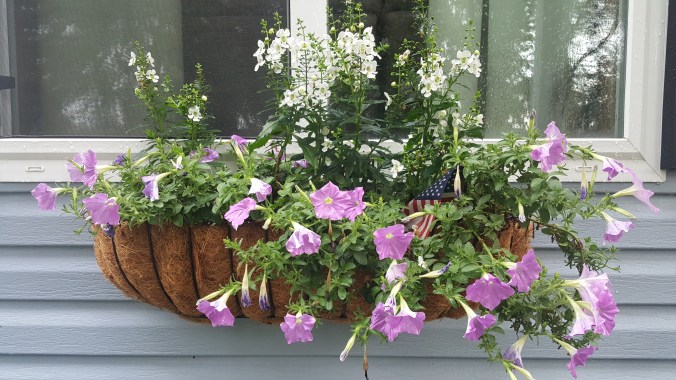
Weather-wise, Western New York has been very rainy and much milder than last summer. I have enjoyed the cooler temps, though, but I have missed going to the beach! Honestly, I have not once had to actually water my plants. No sprinkler posts this year! My window boxes have been thriving, and have not looked sparse and brittle like last year!

wp-1500850365630.jpg

A little wilted after yet more rain, my window boxes are thriving this year! 

Despite the weather, we have busy bike riding, hiking, rollerblading, swimming, camping, all that good summer stuff, but I have been also doing a lot in the garden. I am at the stage where I really am not adding much, but doing more of the routine maintenance on what I do have, and there are certainly some lessons I have learned that I won’t try to intentionally “unlearn” in the future!

Lesson #1– It’s OK to have space between your plants.

I know, I have even mentioned this in past posts, I planted too many things VERY close together (we are talking so close you can smell the body odor on the person next to you close). I was so crazy about trying to get every plant I wanted, I planted them too close together– this resulted in what I like to say “The Survival of the Fittest” in my flower beds– I lost a lot of really cool varieties because I got a tad bit overzealous in my planting. I have spent a good portion of my summer thinning out a lot of my plants, and even moving them if needed…which leads me into the next lesson–

Lesson #2 Plants not blooming/growing that well? It’s OK to MOVE them.

Yes. The biggest thing I have learned in the past few years is if your plants are not doing well in the location you have them– try moving them. They just may need a new residence to make them happy!

A great example of this is my very pretty gayfeather. I purchased these three years ago for 50% off at the local farm store. I put them in an area I had some space, and they grew, but they never actually flowered. I finally had the sense last year to move them to a sunnier location. Ta-da! Full on flower power action!

wp-1500848205595.jpg

This bee is very happy I moved this lovely gayfeather!

Lesson #3 — Remember to do the little stuff.

I can honestly tell you that I don’t have time to weed my whole garden at once. BUT, when I am outside and my daughter is swinging on her swing, I pick an area and go to town! Even if it’s a little area, it makes such a difference! I have managed to keep weeding all summer– little by little, and I feel better about how my landscape looks! I also pruned my Lilac bushes this year, as they were getting a little to “bushy” for me. They were growing right over the area I have my daffodils and muscari, and I want that distinction, if you will, between all of my plants.

If you are follow me on instagram, you will see all the goings-on in my garden. I post pictures of my blooms and my gardening adventures. I will be posting about our little veggie patch, and my mini “cutting” garden. Two new ventures that I would like to expand next year! Until then, take care, and I hope that the summer has been good to you in your neck of the woods!

A Natural Pause

This summer has been filled with lots of activity and gardening. Stay tuned for an update on what I have been up to this growing season. Until then, please take a look at these beautiful water lilies we came across on a recent hike. Enjoy!

(Don’t) Blame It On the Rain

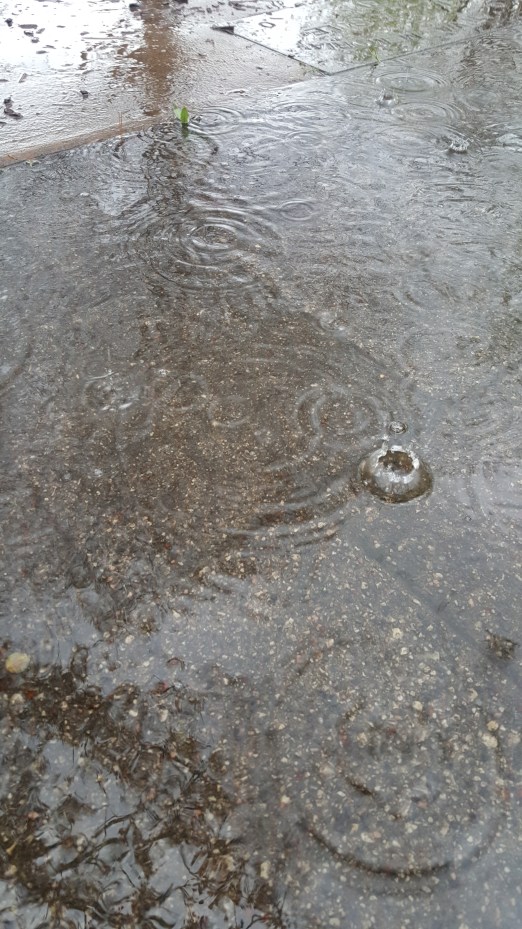
wp-1494543434376.jpgRain, rain, and more rain! My part of the world has seen its share of water lately! As we know, rain can  be damaging, destructive, and downright deadly. Despite all of this, there is an upside to rain and your garden, particularly in the spring time, right before the growing season ramps up!
wp-1494329211550.jpg

This spring deluge of water can be helpful to you in garden prep!

Now, it’s obvious the main reason why rain is crucial–it aids in growth. But there are a few other reasons that you want to LOVE gardening right after a good bout of rain:

  • It’s a GREAT time to pull weeds and/or invasive plants. You can successfully pull the whole weed/plant, root and all, right after a good gully washer.

wp-1494543396335.jpg

  • Making new garden beds. Digging into the earth trying to make new garden beds is hard enough —  do yourself a favor and dig into the ground after some serious precipitation, and that will make a hard job less hard.
  • Sinking your hands in the earth. Is there anything you can do to get closer to nature than getting dirt under your nails when it’s at its most workable and pliable? I think not.

So, even though the rain drives us crazy as gardeners, because we are stuck inside, just remember how much nicer it will be to go outside and work the soil with little effort and less headaches!

Easy Spring Garden Prep Info

I hope everyone is having a wonderful April– it has been a busy month for me, as we just got back from vacation in Montana! We visited Glacier National Park, and it was beautiful! It was really nice to experience a part of the country we have never visited before!

As nice as our trip was, it was REALLY nice to come home to the trees on the verge of bursting with green leaves! Everything was looking stunning! My flowers were in full bloom, including my tulips:

wp-1492727497223.jpg

I am now getting ready to do a full spring garden prep! Seeing as May is just a couple weeks away, which, I still can’t believe, because April feels like it just started!

So, here are a few garden prep tips you can consider doing this spring!

  • Plants any trees or shrubs. This is the perfect time to plant any trees or shrubs, the ground is moist, and rain is typically abundant in the months of April and May. As with planting anything, trees and shrubs need a lot of water to get established.
  • Start picking up the winter rubbish. It’s time to start raking up all the gravel, leaves, sticks, and anything else that is in your yard. For this job, you should use two different rakes to get the job done:
    • Rake– your typical rake that you would use to remove leaves in the fall. All the light, loose stuff like grass, twigs, etc. will get removed the fastest and easiest way with this rake.
    • Bow Rake- This long, straight-edged rake is perfect for picking up stones and dirt that have accumulated.
  • Mulch- Since I have made some new flower beds this past fall, I know I need to mulch them and get them prepped for the coming growing season.
  • Pruning/Removing old growth– Now is the time to prune/remove anything that will be blooming in the summer and beyond. I know I started manually removing the old stems of my Autumn Joy Sedum because it has already started growing! So, start removing winter interest and get your plants ready for summer!
  • Soil prep. Turn up the soil and get it ready for spring plantings.

There is certainly many more things you can do, but here are some of the basic hardscaping chores you can do to make it easier when planting season is in full swing!

What will you be doing for spring garden prep?


Let’s Cut to the Chase –Spring has Sprung!

Good morning, and happy spring! I say that because our two feet of snow finally melted, and as I walk around my yard, I can see signs of life, everywhere–including my first hellebore I planted last November– in the dark!!

wp-1490536152626.jpg

I have to admit that this year has been a little more difficult to focus on gardening stuff, as I had the ambitious idea to start seeds way back in January/February, and that fell through– my work load has been extremely demanding since the beginning of the year, and any free time I had left me wiped out, and I would rather spend my free time roller skating with my daughter!

However, I did get some time to pick out some more seeds and even get a few bulbs to put in the ground as soon as the threat of frost is no more! After getting much inspiration from my Instagram friends and fellow bloggers, like Kate at Grey Tabby Gardens,(Please check her blog out when you get a chance, beautiful photography and a wonderful tour through her Central Florida garden) I wanted to start seeds for a cutting garden. I love having flowers in vases all summer long, so I figured I should get some seeds and bulbs that would allow for that.

20170326_094256.jpg

The Easter Bunny brought me my basket a little early!

So, most of the seeds and bulbs I have so far are for a cutting garden, but the other ones, I just added to the mix! I still have my eye on some other great seeds, and I am going to get up the nerve to do a little more container gardening this year!

What’s in my basket?

  • Dinner Plate Dahlias— I figured I would start with these two varieties, and see how successful I was with them this year. NOTE: Dahlias are hardy for zones 8-10, which means the rest of us who do not live in these zones need to take these bulbs out of the ground at the end of the growing season. I learned this lesson the hard way my first year living in my house!
  • Sunflowers— Of course, I can’t not get these seeds. Sunflowers are so hardy and so darn pretty– I actually have my eye on another variety as well! I have a great idea for these– so, stay tuned!
  • Bunny Tails– A great cutting garden addition– so unique, I couldn’t help myself. I bought these seeds last year, and never planted them, because I thought I lost them. Turns out, my daughter was playing with these seed packs and put it in one of her little purses– I didn’t find them until August!
  • Zinnias— I was inspired by Instagram friends and their pretty zinnias– now, that’s one plant I had never had! So, now I can only hope the seeds come up!
  • Amaranth— Not really for cutting, but read a really great article on these last year, and thought I would give it a try.
  • Flowering Kale— I really love this, and think it will be great fall/winter interest! Sometimes adding a few new things for the late seasons can make all the difference!

So, happy spring, everyone! I hope your gardening plans are in full swing– what do you plan to plant this year?


Don’t “Weight” to Get in Shape for Gardening

20170311_082156.jpg

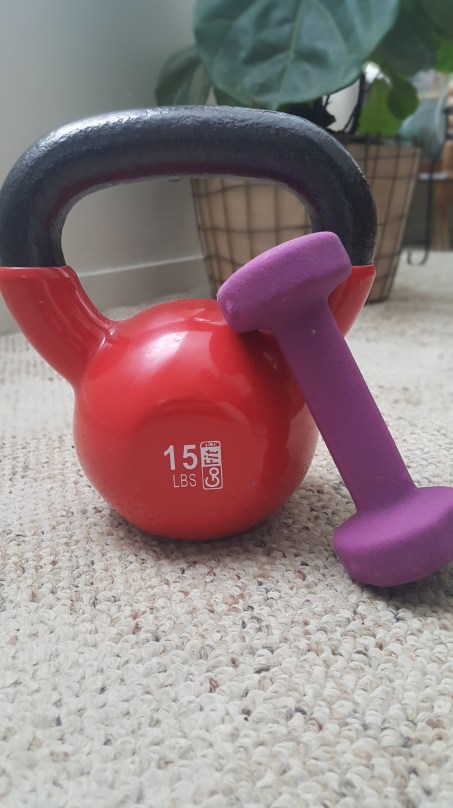
We are getting back to fundamentals. Keep yourself in shape to avoid hurting yourself in the garden.

As I write this, it is snowing outside. We have measurable snow on the ground. The first time since December. Talk about a big let down– it has been a rainy, windy, warm winter for the most part, with a Lake Effect snow blast once in a while. My daffodils are coming up, and now they are covered in snow. My snowdrops were up, and now completely buried. Just as I was getting ready to start tinkering in my yard, the snow starts again! Welcome to almost-spring, I suppose!

Well, despite the weather, I am sure everyone has been preparing for the upcoming growing season in the usual manner– garden planning, design, seed buying, etc. But there is one thing that most people forget about during the long winter season that is the most important to all of your gardening endeavors– Exercise.

Now, I have already wrote an article on the importance of exercise for gardeners. I also believe it’s worth a second look. Exercise is so important– especially strength– when it comes gardening. You do a lot bending, pulling, lifting, dragging– all using an enormous amount of strength to do the job. Exercising lowers your risk of injury in the garden. It makes doing all the “dirty” work in the garden MUCH easier.

Since I have gotten older (In fact, I just passed another birthday), I have really dialed into strength conditioning. I am a huge fan of kettlebells, but I also incorporate dumbells into my routine.

Lifting light weights two-three times a week will help you immensely when it comes to spring time garden prep. And, it doesn’t have to be heavy– 2-5 pound weights starting out, and then working your way up to your desired weight.

I don’t want to rewrite what I have already blogged about, but here are a few bullets that are worth mentioning again:

  • Bend with your knees, not at your waist. Your back has “your back” when it comes to gardening.
  • Work your CORE— sit ups, push ups, crunches– it’s your powerhouse, and it keeps your back in good shape.
  • Don’t forget– Walk. Walk far. Walk everywhere. Make sure to get some cardio of sorts into the plan as well.

I will tell you from experience that doing this stuff will make a huge difference. It may seem like it won’t do much, but the gains are amazing. Do the little stuff now to make for a great, enjoyable gardening season later!

Disclaimer: This blog post is extremely general advice when it comes to exercising. I am not a doctor or fitness expert, but these are the exercises I have been advised to do over the years and think they are universal enough for everyone to try them. Please consult your doctor before starting any exercise program.

Hygge and Gardeners

In a way, I feel I have missed the boat on writing this post tonight. It’s more of a winter post of sorts, and since it certainly does not feel like winter in my part of the world, I feel like the timeliness of this blog post could be questioned. Haha!

However, it still is, technically, winter, so I am going say that I got it in just in time! And it’s really interesting to me that there is an actual word for something that seems to be not a “thing”, but a regular way of life. Boy, was I wrong!

Hygge, (pronounced hue-gah), is the Scandinavian concept of coziness, and taking pleasure in the ordinary, day to day things in life, including:

  • Warm blankets, socks
  • Hot cup of liquid– tea, coffee, hot chocolate
  • Candles burning
  • Enjoying good people around you
  • Bringing the Outdoors In

Hygge originated with the Danish, and it was their way of coping with long, dark winters. Now, I don’t know about you– but I think I have been living the Hygge way all along! Western New York winters can be brutal, and I love my big, warm socks and blankets for sure! And most winter nights, you will find us playing board games, or going bowling with friends or family. When it’s REALLY cold, I am drinking tea like there is no tomorrow!

So, that’s nice, but how does this pertain to gardening? Well, that’s where the “Bringing Outdoors In” comes in to play. Buy some houseplants, try indoor gardening, make a terrarium, you get the point. We as gardeners are constantly thinking about spring and the start of the new growing season. Winter tends to stymie the average gardener, but as I blogged about almost 3 years ago, houseplants can fill that void nicely!

20170128_145950.jpg

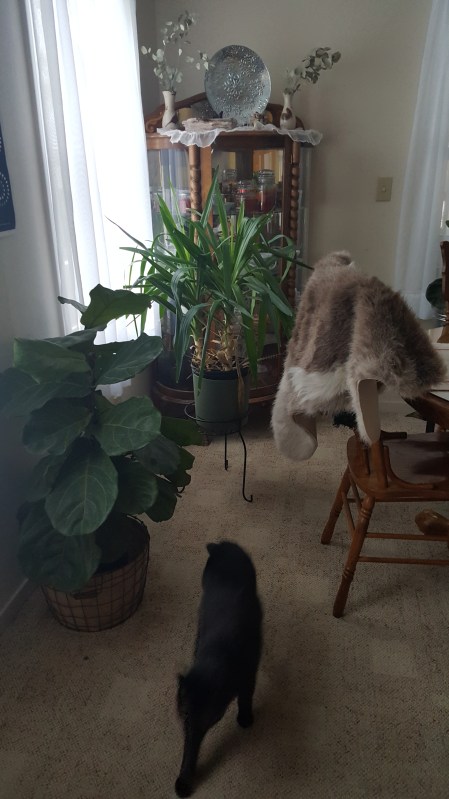
Here are some houseplants that I am “wintering” — some belong on my patio. A fake reindeer pelt makes everything nice and cozy. It almost makes a great cat bed!

So, how do you “hygge”? What little things make you happy?