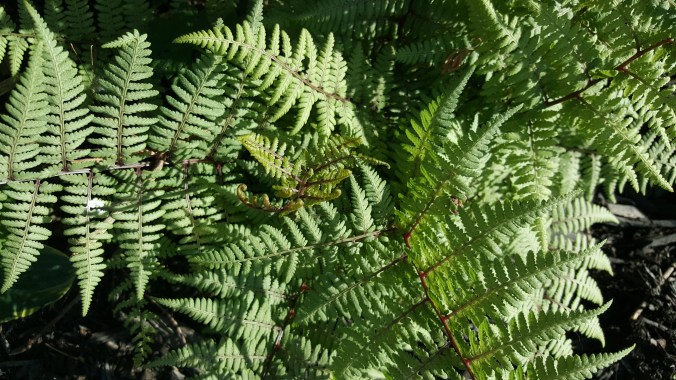
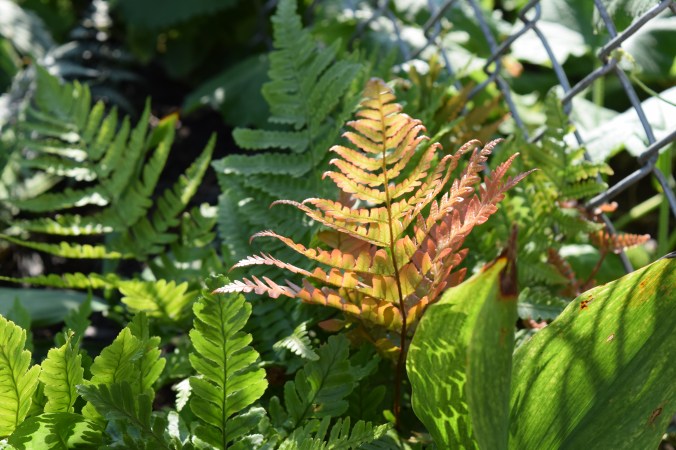
Seeds n’ Things

Happy fall! I hope everyone had a wonderful summer– which honestly, it still feels like here in Western New York. The weather has been beautiful– however, maybe too much. It has been so warm here that my spring bulbs are starting to sprout again! I fear that we won’t have such a colorful fall like last year because it has been so dry and warm this past summer.
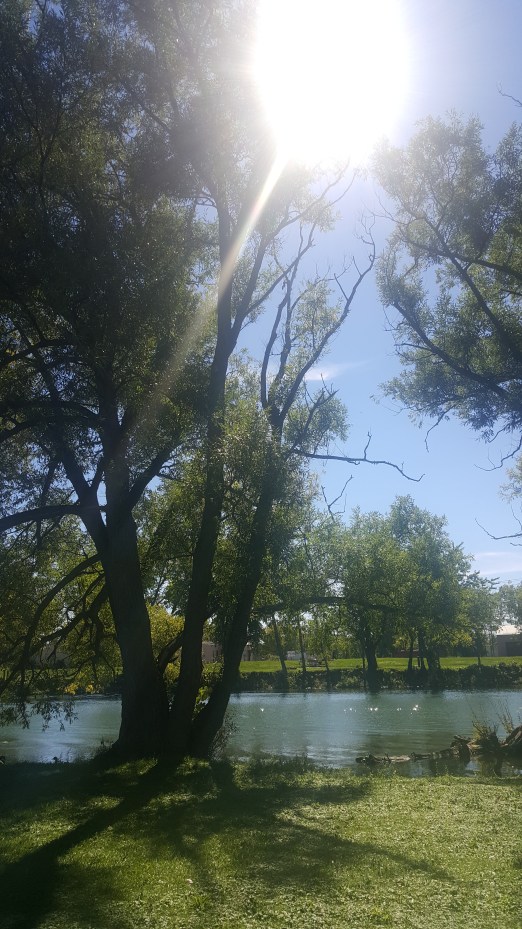
wp-1475000259438.jpg

Never the less, I am not wasting another minute inside, it’s time to get along with my fall garden preparation tasks. A couple of years ago, I wrote a step by step on how to plant bulbs in the fall. I know a lot of people really don’t know how to (I know I sure didn’t at one time), so I wanted to give a little tutorial on how to plant them.

Well, now I am learning how to preserve seeds more. I have done this a little bit in the past, but this year, I have found great joy in harvesting seeds. Every plant has its own unique seed pod.

002

The seeds of the hollyhock are slim, wafer-like discs.

Here are a few tips when collecting seeds:

  • Make sure the seeds pods are completely dry when you harvest them.
  • When storing seeds, never place them in plastic bags. Use paper seed packets or bags to allow the seeds to breathe.
  • Remember to share them– think of them as holiday gifts!

Harvesting seeds is a good thing. It is a natural way of controlling individual plant species from taking over your garden.

wp-1474998656160.jpg

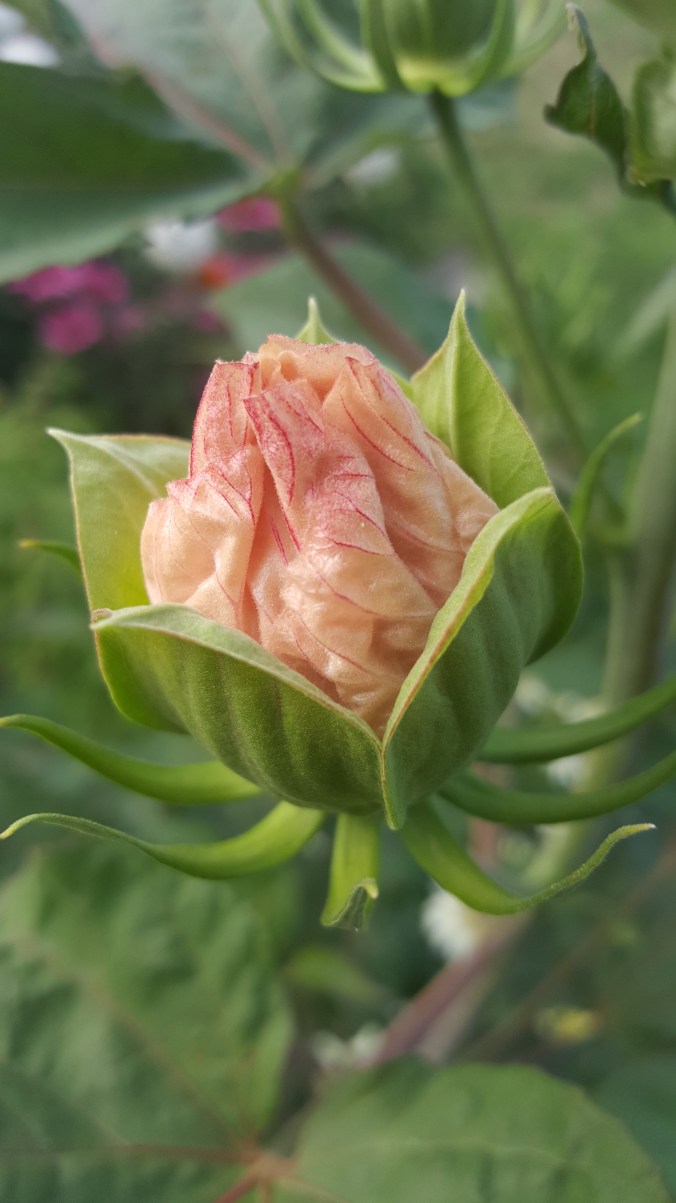
The seed pod of a Giant Hibiscus is, well, giant!

004

Hollyhocks, Cosmos (Upper Right), White Globe Thistle (Lower Center) will make any gardener happy!

I spent a good portion of last weekend re-organizing and making a place in the unfinished side of my basement to become my little gardening area, which means, saving seeds and storing bulbs that cannot stay outside for the winter. I plan on scouring  Etsy in search for the perfect antique printer tray to hold all my seeds until spring!

I also have purchased 3 more varieties of Allium bulbs that need to be planted, but until it cools down a little more, I think I will wait it out a little longer.
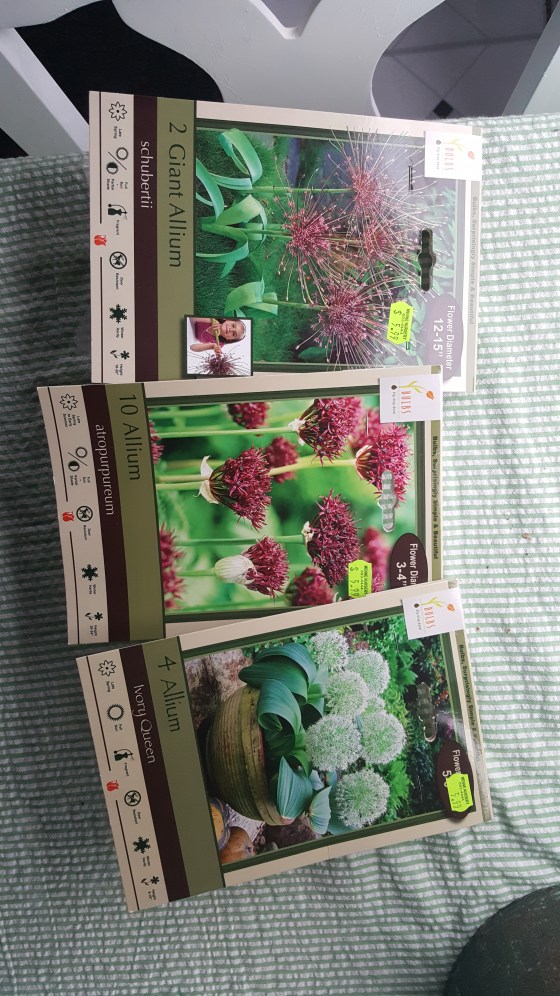
wp-1474999665576.jpg

What are your plans for fall planting? I would to hear what everyone is planting. Trust me, I am not done purchasing bulbs, yet…


Falling for Dried Flowers

Good evening, everyone! It seems as though these blog posts get further apart, but I am trying my hardest to get them closer together. It’s been a activity packed summer, and my daughter started Kindergarten this week, so it’s been more emotional than usual around here.

First and foremost, yesterday was my 2nd Anniversary blogging! I can’t believe it’s been two years already– time does certainly fly! Born out of professional frustration, my dream is to one day blog full time, but until that day comes, I will keep doing what I am doing and improving and learning as much as I can to attain that goal. I want to thank you for reading my blog and letting me know what you think and for giving me suggestions that will help my blog in the long run! I am always trying to mix things up, but I want the intent of the blog to stay the same– to help new gardeners start their own gardening adventures by giving advice and ideas as simply and honestly as possible. I want my blog to be the “seed” that starts some great gardens out there! I am still learning a ton about gardening. I am no expert — I just pass along what I have been taught, told, shown, etc. It’s really fun, and I enjoy this immensely. So, let’s get back to business, shall we?

Now, I have to say that I actually have 3 blog posts that I could be posting tonight. I have a couple of “Field Trip” posts that I think you will really like, and hopefully will give you some inspiration in your gardens! But, my intuition was telling it’s time I do an informative piece, because it’s been a little while since I have. And I got the idea of this post from an article in a magazine, along with my blog post I did last year, The Beauty of a Fading Fall garden.

*Remember– your garden doesn’t end when the growing season ends– it keeps giving year round.

I have blogged about the garden and how it gives back to you year round, including the fading fall garden. Planting for Winter Interest also allows your landscape to work for you. Now, I know a lot of my fellow bloggers live in places that don’t have snow (and boy, do I sometimes envy you), but you still have to deal with a Winter garden as well, so please use my post as a springboard of ideas that could work for your nice, warm, green winters.

So, after some researching and getting a lightbulb to go off on my own, I was inspired to take the plants I usually keep to collect seeds, and use them in dried flower arrangements for fall. I even tried to “forage” on trails in the Niagara Gorge this past weekend, but, let’s be honest, it’s a little too early for that. LOL.

My garden grows every year. I mean, I plant more things every year. And I have had some unique things come up in my gardens that I can’t help BUT use dried.

My number one plant? Alliums. At the beginning of the summer, when my Alliums were done, I noticed how beautiful they were dried, and I snipped them off and brought them inside to use as a decoration. I have been using them all summer, and they look great with my fall decor. Yes, my house throws up with Fall decor this time of year:

wp-1473938854679.jpg

And then this happened today:

121

My sunflowers came crashing down– no worries, they will be part of some dried flower arrangements to come this season.

123

Soon, I will be embarking on my usual pilgrimage to the Erie Canal to get some cattails, but these fake ones I found in the store last year will do for now.

129

Here are my white globe thistles in a vase. This plant has been the biggest surprise for me this year, and I am so glad I purchased these last year!

wp-1473387926237.jpg

Here are some other things that would be great to use in any fall arrangement:

  • Seedpods— Chinese lanterns, etc. The more unique looking, the better!
  • Acorns, nuts, etc.–This is what I was looking for, unfortunately, I think it’s too early. Any kind nuts or berries will do!
  • Pinecones— this one needs no explaining. You could call this a default fall/winter decoration.
  • Any flower that dries beautiful in your eyes. It’s limitless. Use what you love and make the most of it!
wp-1473382337493.jpg

This is just the beginning of a beautiful arrangement!


The No-Kinks Sprinkler Guide

Disclaimer: I am just passing on knowledge in regards to shopping for a sprinkler. If you are in a drought stricken area, where watering is NOT an option, then I am by no means advocating watering. If you are fortunate enough to use a sprinkler regularly or on occasion, then I hope you find my sprinkler-shopping guide helpful. I also just thought it would be fun to blog about sprinklers.

Hot. Dry. Crusty. Brown. All great words to describe the summer so far in Western New York. It’s been great, don’t get me wrong. We get some rain here and there on occasion, but nothing adding up to much. I have been diligent when it comes to watering, though I have slowed down some, as it is August, and unfortunately most of my plants have faded out fast. There are a few plants that really like hot, dry weather, so I am focusing on them.

In order for me to keep watering my flowers, and I have been advised to really douse them periodically, I use a sprinkler to get them. Because, let’s face it, standing there with a hose in your hand only wets the very top of the soil, and doesn’t do much. So, I went sprinkler shopping to get the one that would fit my needs perfectly.

068

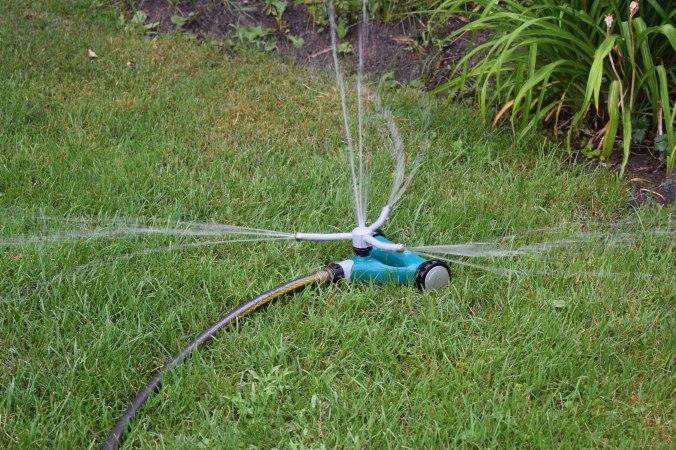
This sprinkler is for small yards and waters my plants perfectly!

Who knew there were so many different types of sprinklers? There was one long cavernous aisle devoted to them.  I currently own three, and they are the right ones for my needs.

Things to consider when purchasing a sprinkler:

The size of your yard. Big, small, they have a sprinkler for all!

What you are going to use it for. Watering your lawn, or watering your flowers, there  is literally a sprinkler for every watering purpose.

How much water you want to use. Want a soaker? You got it! Or, just a little mister to keep your plants looking shiny and nice? They have that too!

Currently, this is my sprinkler rotation:

095

The old fashioned sprinkler at the bottom of the picture should be a default for everyone. It is good to cover bigger areas of your yard, and because it can be great fun running in it when the thermometer reads 91 degrees!

So, if you think that there is just one sprinkler to use, and it doesn’t suit you well, always remember– this is modern-day America, where the choices are there for you, and they are abundant!


Thinking Outside of the Window Box

Good Morning!

It will be a short and sweet post today, as I will be heading out of town for the weekend. It’s going to be a beautiful, sunny weekend for us, though I wish we would get some more rain. Western New York is “abnormally dry”. Our lawn is brown!

And because we have had so little rain, we need to water everything– most importantly, container plants– window boxes. ( That was a pretty good segue, I think!)

Of course, this leads me into the subject of the post– window boxes. For the first time, I received Proven Winners gardeners idea book for some ideas on how to change things up in my window boxes.

pw pic

I was not let down– I pretty much wanted to copy two different window box ideas in the book, but couldn’t find some of the flowers– they were sold out!

So, I improvised. And it was great anyway!

*Do not be afraid to try different combinations of plants for your window boxes.*

We are so used to going to our local nursery and getting the same things — geraniums, marigolds, creeping jenny, spikes (don’t worry, I purchased the last two anyway because I love them). And if you like those plants, there is no need to change them! We as gardeners tend not to look beyond the same, familiar flowers just by habit. We don’t look past the “norm” and see all the great, different plants you can put in your window boxes!

That’s why I love this idea book from Proven Winners. It gave me insight on plants I would never think of putting in a window box.

wp-1466162466978.jpg

My window boxes for the front of my house contain:

L to R: Coleus (Alligator Tears), Chenile (the red fuzzy plant), Sweet potato vine (yellow leaves) and capped off with another Coleus.

The red fuzzy plant called Chenile I actually saw at the Farmer’s Market in a basket. I was browsing the nursery a month later and found them in packs. I just HAD to add that. So different!

I have discovered the great shade/part sun annual Coleus this year. There are so many varieties at your local nursery. I recommend them to anyone with lots of shady spots in your landscape!

The window box I have on my daughter’s swing set contains:

20160602_190157


Bottom to Top: Coleus (Kong Red); Sweet Alyssum ( tiny purple flowers); Black Sweet Potato Vine. I have each of these plants in this particular box as every other. 

So please, take a look at some different flowers for your window boxes if you haven’t already done so. It’s amazing the beautiful combinations you can make it look beyond your typical flowers!


The Great Vase Brigade

Good Morning, everyone! I hope you all had a fantastic holiday weekend. I know I did. It was good to relax and get away for a couple of days. We have been doing so much work on our house, along with just being busy in general! It’s hard to relax when you know something has to be done. Even getting away to a hotel or somewhere for one night forces you to relax.

Now that the holiday is behind us, it’s time to get back to work!

When you think about putting flowers in a vase, what are some of the first flowers that come in to mind for you? Roses? Carnations? Daffodils? Yes! And they are all great flowers! I personally love fresh cut flowers around the house in the dead of winter. It makes things so cheery and bright!

Well, how about thinking outside of the box when it comes to flowers in your vase?

Rule #1Carry a pair of small clippers with you at all times. You never know when you will find the most perfect branch of blossoms, or grass! I have a pair of Fiskars I bought especially to keep in my car so when I am driving by a wooded area of road, (that is NOT anybody’s property), I can pull over quick and snip a few.

Rule #2Always have at least two vases full of your finds around your house. The more, the merrier! Don’t be afraid to be creative!

20160605_091435

We have a good mix here. L to R: Hydrangeas, Grass, Iris’

Above are three vases full of things that really caught my eye.

Vase #1– Hydrangeas — I bought these at the supermarket. I like cutting seasonal flowers, but unfortunately we don’t have these in bloom yet, so I just purchased them!

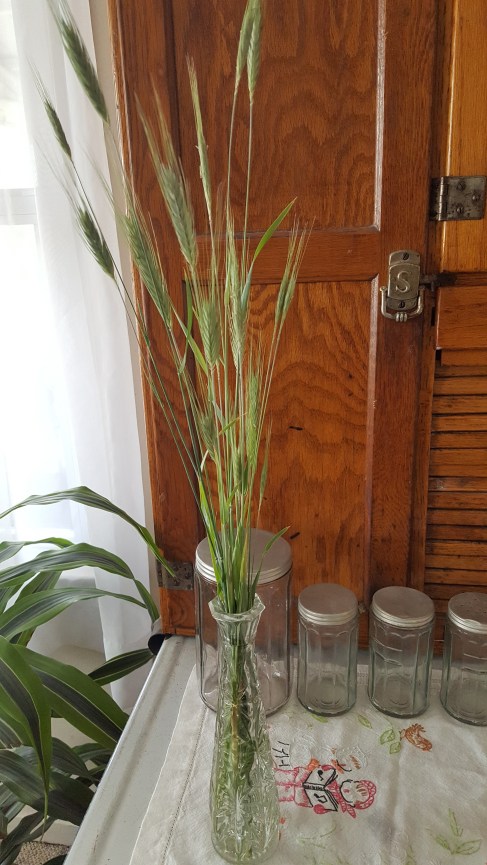
Vase #2 — Grass — I saw this grass on the side of the canal bike path. It looks a lot like wheat to me! I was so intriguing, I just had to cut a few stems. So simple and beautiful.

20160604_134437

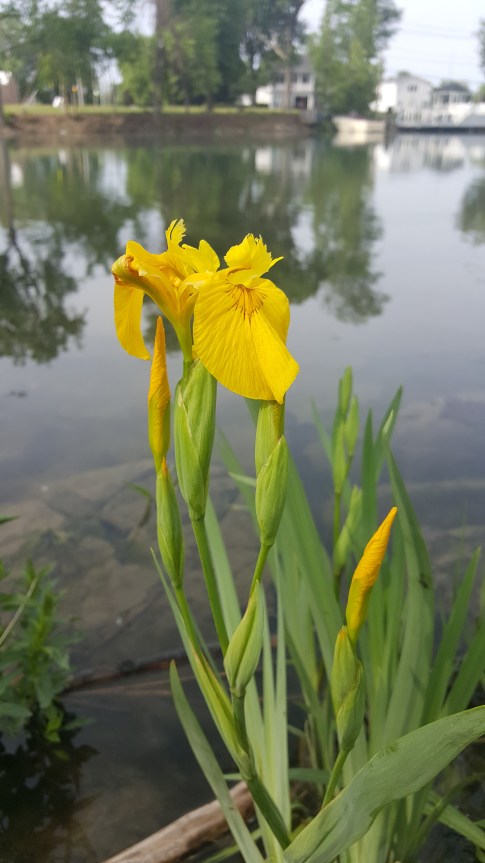
Vase #3 – Iris

The yellow iris’ are literally right from the canal, next to the fuzzy cattails. I couldn’t help myself and cut a few stems. I liked that they were something you couldn’t find in a flower shop.

20160604_093027

Another great option for a vase are Bachelor’s Buttons. These babies grow like crazy! I cut some for a couple of vases. They last forever!

cut bachelors buttons

Vase #4 – Lilacs. I just love them, so they have to make a cameo.

20160514_193356

So, I hope this post gives you some ideas on being creative when it comes to the vase. Anything can go if you like it!

One more pic, totally unrelated to vases, only because it’s my favorite landscape to photograph:

093

Have a great rest of the weekend!


Consider This: Hellebores

Happy April! It has been a busy last few weeks– between Easter and my daughter’s 5th birthday, there hasn’t been a dull moment.

Unfortunately, I haven’t been able to do too much outside because of this crazy weather. Easter weekend was 72 degrees, and now it’s snowing and blowing! With the weather the way it is, this is the perfect time to add to the “Consider This” series I started at the beginning of the year. I think it is important to introduce and learn a little bit about the different plants you can put in your garden.

Spring is my new favorite season. I have always said that fall was, but my thought pattern has changed. This year, especially, since my winter was not one of the easiest, and I am not talking about the weather this time. I have really been anxious for new life, growth and sunshine. Lots of time outside. While the weather goes up and down, it’s still a little too drab for me outside, though signs of life are popping up a little more now than a couple of weeks ago.

I have been loving all the different floral bouquets that have been at my local grocery store. I usually end up picking up a bunch of tulips every year, but this year, I have been picking up every different flower that has been available!

I picked up calla lilies for my mother and mother-in-law for Easter (yes, and my daughter thought we should have one ourselves), a couple of mixed spring bouquets, and my pussy willows of course.

To my surprise, there was a potted flower at the store that also was something I have been reading a lot about this year. They are called Hellebores.

20160322_142343

Hellebores have petal-like “sepals” that hold nectar.

It seems to be that Hellebores are the “It” plant of the 2016 growing season. Everywhere you turn around, there has been an article about them, and I can understand why. They are beautiful flowers with lovely delicate blooms.

Here are some things you need to know about Hellebores:

  • They are also referred to as “winter rose”, “Christmas rose”, “Lenten rose”.
  • They grow is zones 5a – 8b.
  • They bloom in late winter, early spring, usually around Lent.

This plant is an excellent addition to your garden because:

  • It starts blooming in late winter, early spring. An important step in the direction of having an all-season garden!
  • They are hardy. Despite their delicate look, they can handle whatever comes their way!

Did you buy one in your local grocery store like I did? You can put it in the ground!

  • Wait until the threat of frost is gone in your area of the world. You can plant them at the beginning of your growing season.

Consider Hellebores for your landscape. It’s one of the few plants that gives some life to the end of winter and that drab time in early spring before everything starts blossoming. You will be glad you did!

All Things Spring

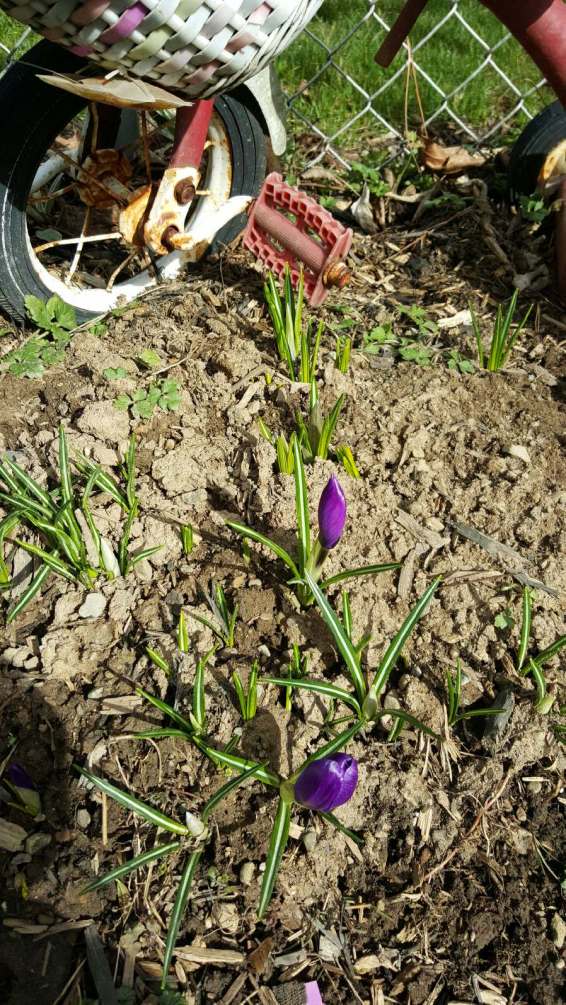
Happy first day of spring! It’s been so nice to see some of my bulbs that are popping up through the earth– I should have crocus’ tomorrow!

IMG_20160320_215556_01

It’s been really crazy weather in my neck of the woods — 70 degrees one week and 30 degrees in another! I have to admit, I have not done much outside, except for uncovering my pencil hollies I planted behind my garage.

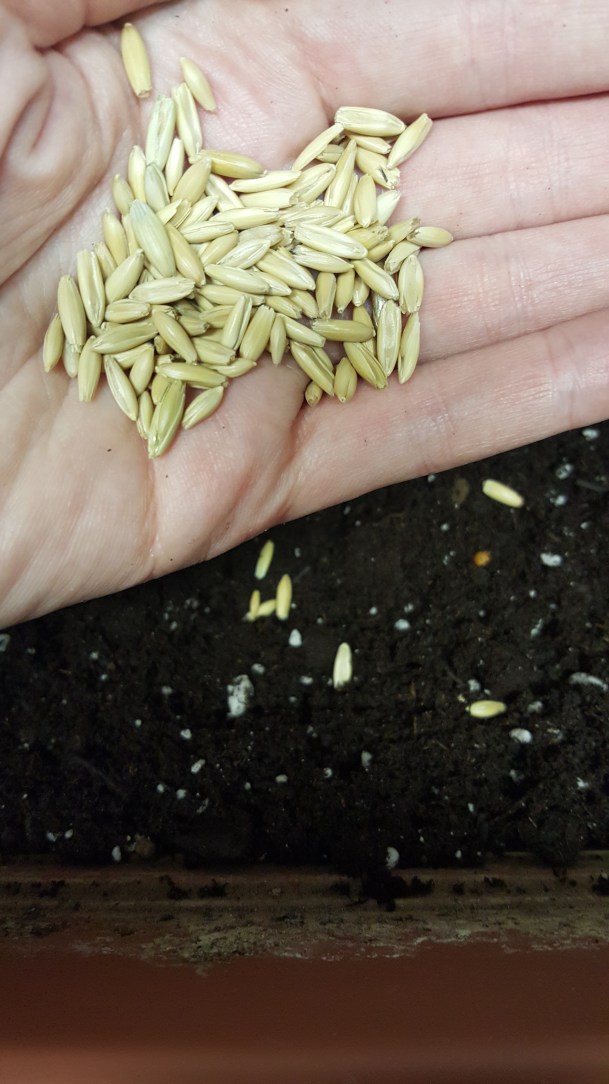
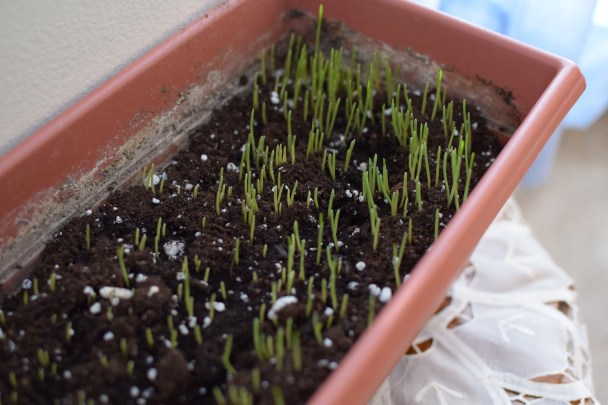
I was actually proud of myself for getting some indoor gardening done this year — like re-potting some plants that have needed it desperately. I also planted some cat grass! For those of you who follow me on Instagram and Twitter, I went to my local garden center a few weeks back, but actually found time to plant the seeds last week. To my great surprise, it is coming up really fast!

20160314_202901

20160314_203023

009

I was so thrilled to see this!

The cat grass was the extent of my indoor gardening this year. Maybe next year I will get some more time to actually start seeds. I have been doing a lot of re-decorating my house along with all things indoor. Moving furniture, buying furniture, just switching things around, makes a HUGE difference!

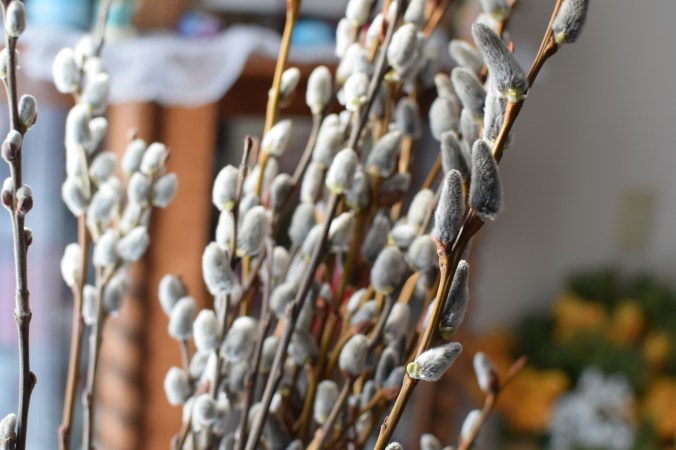
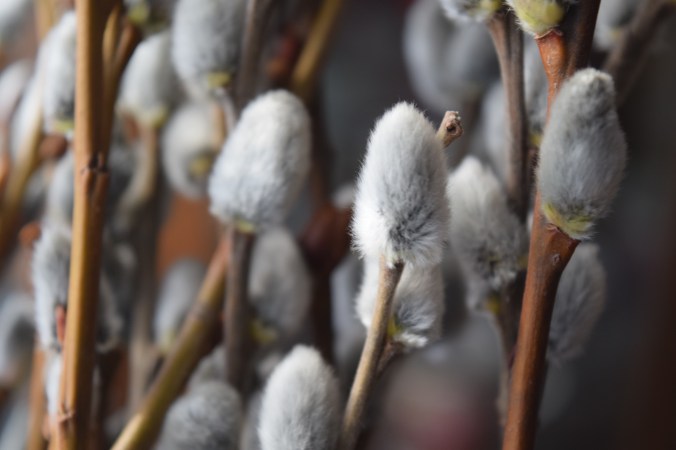
Yesterday was a cold Saturday morning to go to our local farmer’s market, but the mission was accomplished– I bought pussy willows!

011

Now, I was going to dedicate a whole “Consider This” to Pussy Willows, but I chickened out, because though they are beautiful, pussy willow trees have deep root systems, and the roots tend to wreak havoc on underground pipes, tanks, etc. Unless you have LOTS of space, I would not recommend them. There are several different varieties of Pussy Willows, and if you are interested and have an expansive landscape that tends to be more on the wet/boggy side, then I would highly recommend these!

In Buffalo, the day after Easter is celebrated in a big way, called Dyngus Day. This after- Lent celebration includes Pussy willow branches that are used to flirt with the opposite sex by giving that person a gentle “tap”.  Pussy willows in bloom are a sure sign of spring to me!

016

Hopefully, the next post will have me doing more stuff outside, and checking out some great new plants that should go in your garden!


Winter Gardening: Zone Specific

I hope everyone is having a great week. I just got my seed catalog in the mail the other day, and I am having a blast looking through it! Even though it really hasn’t felt like winter this year at all– no cross country skiing or snowshoeing — I don’t mind– the mild temperatures and actually being able to go outside and walk has been a plus for sure!

I am always looking for and researching topics that are informational and helpful to not only me, but you as a gardener. One of my first few posts I ever wrote was about growing zones. Even though we are on the home stretch and spring is right around the corner, I thought this article about winter gardening and your grow zones would be something to get you thinking about next year.

I would like to thank the people from over at fix.com with this great article that explains things a lot better than I could right now!


Consider This: Ferns

Too much time has gone by without a post– these new working hours do not leave much time for me to formulate a decent blog post!

Currently, I have been waiting for a seed catalog I requested– Baker Creek Heirloom Seeds. I just recently heard about it through Twitter from my fellow gardening friends. I heard it is a great catalog and I can’t wait to get my hands on it! My husband’s co-worker gave me a couple of seed packets and I would like to look for some others. I have to admit, this winter feels like it is going much faster, given the fact we have not received nearly the snow or have had to deal with the sub-zero temperatures that made last year’s winter so darn long.

So, as I sat at work yesterday, an idea came to me. I thought I would start a new mini- series that would lead up to the upcoming growing season– I call it “Consider This”. Giving a little snapshot of certain plants/flowers/shrubs/trees that you should consider planting in your garden and/or yard if you are able to! I won’t do it every week, but as I go along I will pick out a few different botanicals that should be given some serious consideration to your landscape.

My first plant I am going to highlight are ferns. I LOVE ferns. I try to get my hands on as many varieties of ferns as I can. The simple, elegant beauty that comes from these plants cannot be emphasized enough.

Here are some quick facts about Ferns:

  • They are one of the oldest living plants still alive on our planet. They literally have not changed for over a million years.
  • Ferns came be as small as 2 to 3 feet high, or other varieties are actual fern trees.
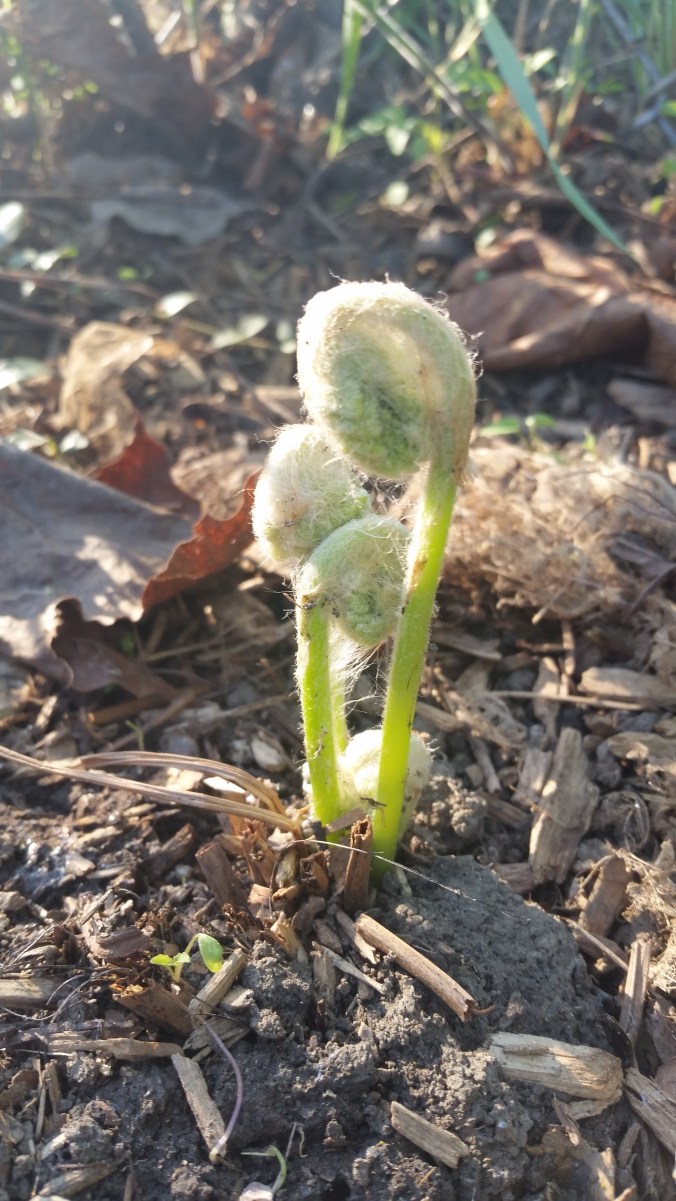
  • Their leaves are called fronds. If you want to see a beautiful sight, watch a fern start growing and unfurling it’s beautiful fronds.

20150509_081305

  • Ferns reproduce by spores and not leaves. I remember freaking out as I looking under the leaves of my autumn fern and saw all these brown spots. I thought it was dying, when, it was actually growing!
  • You can harvest the tender little fronds of an ostrich fern just after it sprouts from the ground and eat them. They are called fiddleheads.


Ferns are a woodland plant, so they thrive in shade. There are several different kinds, as I have stated above. I will give you the list of the ones I have collected over the past few years:

  • Ostrich Fern– most common fern that is readily available. You find this one most of the time in the forest.
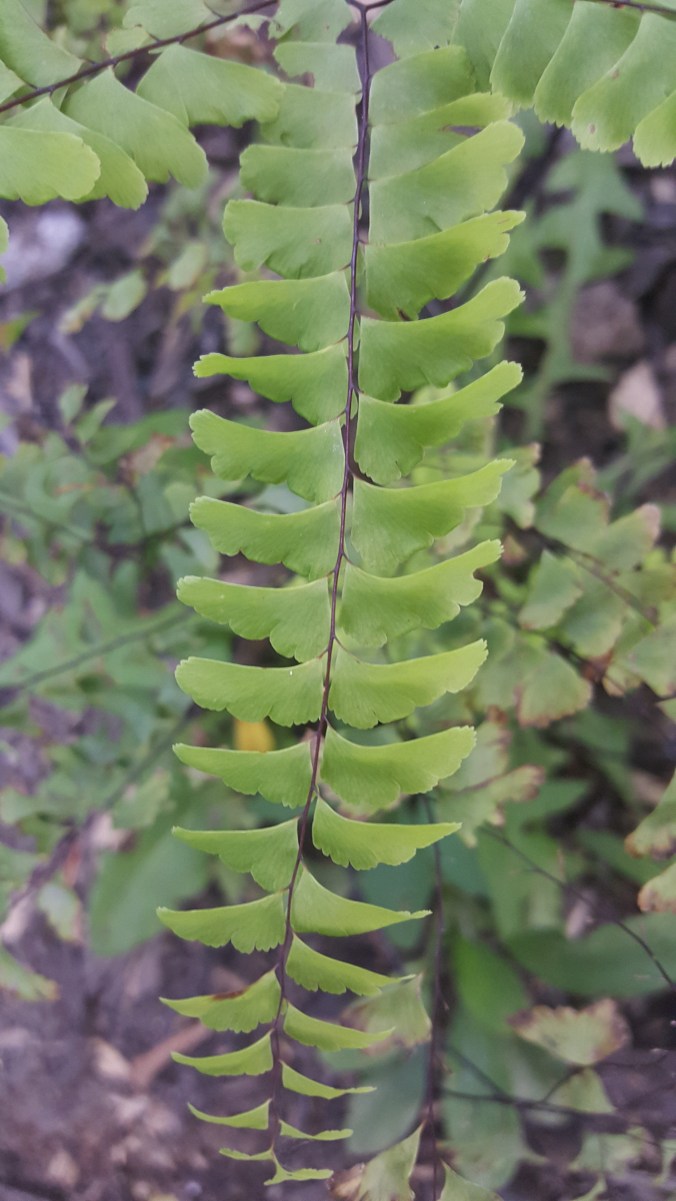
  • Maidenhair fern — very delicate fern with contrasting black stems.
20150918_184605

Maidenhair Fern

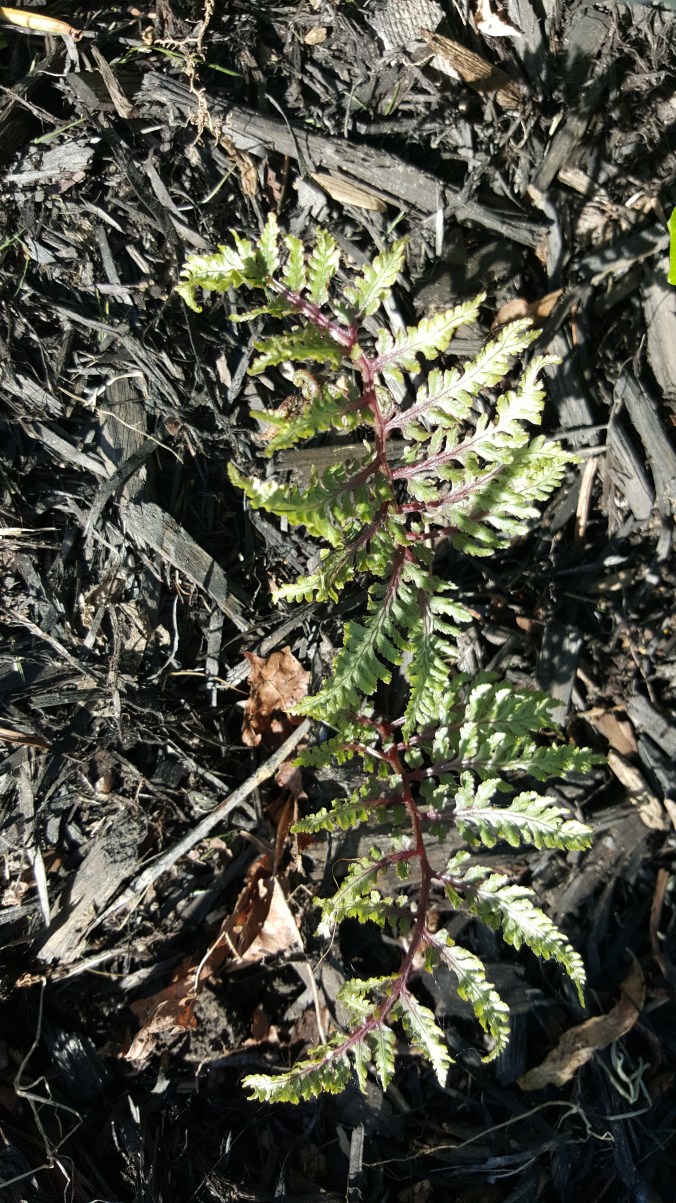
  • Japanese Painted Fern — beautiful fern that has white fronds and reddish stems.
20150603_180928

Japanese Painted Fern

  • Ghost Fern — gorgeous silver fern that when established, grows rapidly.
  • American Lady Fern — this fern was very popular during the Victorian Era. Beautiful, curly fronds with reddish/orange stems.
20150603_180911

American Lady Fern

  • Cinnamon Fern — my favorite fern, by far. The fronds in the middle grow to look like “cinnamon sticks”, hence the name.
20150530_075504

Cinnamon Fern

  • Autumn Fern — fronds are orange/red and bring color to your shade and woodland garden. This is by far my most hardy fern, and one of the most beautiful.
046

Autumn Fern

Yes, as I said above, this is just a snapshot of the many ferns that are available. I absolutely love ferns and have always wanted to do a post all about them. I hope to keep adding to my collection, as long as I have shade, I will keep buying them!

Thank you for taking the time to read this long post!